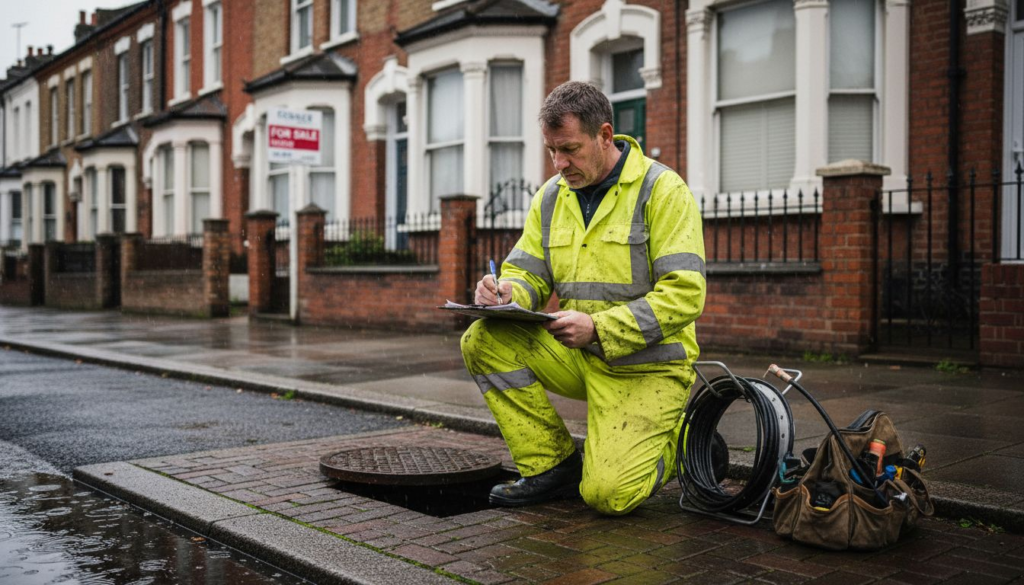
Blocked drains or sudden water leaks can disrupt daily life and threaten property in Southern England, especially when urgent repairs cannot wait. Understanding the role of drainage engineers is vital for those managing residential or commercial spaces. This guide highlights how expert drainage engineers safeguard properties with advanced diagnostics, regulatory compliance, and preventative maintenance, offering practical strategies for timely solutions and long-term protection.
Table of Contents
- Drainage Engineers: Fundamental Purpose And Scope
- Types Of Drainage Systems And Engineering Roles
- Key Qualifications And Technical Skill Requirements
- Core Responsibilities And Daily Tasks
- Legal Standards And Health & Safety Compliance
- Risks, Costs, And Modern Technology Solutions
Key Takeaways
| Point | Details |
|---|---|
| Role of Drainage Engineers | They manage and design complex water management systems, ensuring compliance with environmental regulations and public health standards. |
| Technological Integration | Advanced technologies, such as CCTV diagnostics and AI tools, enhance risk mitigation and maintenance efficiency in drainage systems. |
| Key Qualifications Required | A blend of academic qualifications and practical skills, including safety certifications and continuous professional development, is essential for success in this field. |
| Legal Compliance | Adhering to regulatory frameworks is crucial for ensuring safety and environmental protection in drainage engineering. |
Drainage engineers: Fundamental purpose and scope
Drainage engineers are critical technical professionals responsible for managing complex water management infrastructure across residential and commercial environments. Their role extends far beyond simple repairs, encompassing strategic system design, maintenance, environmental protection, and public health preservation.
According to industry research, drainage engineers maintain critical water systems through a comprehensive range of professional responsibilities. These include:
- Conducting detailed diagnostic assessments of drainage networks
- Designing sophisticated infrastructure solutions
- Implementing preventative maintenance strategies
- Resolving complex underground drainage challenges
- Ensuring compliance with environmental regulations
- Protecting properties from potential water damage
The scope of a drainage engineer’s work varies dramatically, ranging from residential property callouts to large-scale municipal infrastructure projects. They utilise advanced technological tools like CCTV diagnostic equipment, thermal imaging cameras, and precision mapping technologies to identify and resolve potential issues before they escalate.
Engineers must possess a unique combination of technical knowledge, problem-solving skills, and practical expertise. Their work directly impacts property safety, environmental sustainability, and community infrastructure resilience. Whether diagnosing a blocked household drain or designing a comprehensive flood prevention system, drainage engineers play an indispensable role in maintaining our built environment.
Pro tip: Always request comprehensive diagnostic surveys from drainage engineers before undertaking major property modifications or experiencing persistent drainage issues.
Types of drainage systems and engineering roles
Drainage systems represent a complex network of infrastructure critical to managing water flow in residential and commercial environments. These intricate systems range from simple household pipework to sophisticated municipal drainage networks that protect entire communities from water-related challenges.
Drainage engineers work across multiple system types, including underground pipes, storm drains, culverts, and expansive infrastructure development projects. Their professional roles encompass a diverse range of technical responsibilities:
- Underground pipe network management
- Stormwater drainage system design
- Wastewater infrastructure maintenance
- Commercial and residential drainage diagnostics
- Environmental compliance monitoring
- Infrastructure resilience planning
The specialised engineering roles within drainage management require distinct skill sets and technical expertise. Some engineers focus on diagnostic technologies, utilising advanced equipment like CCTV cameras and flow monitoring systems to identify potential issues. Others specialise in hands-on maintenance, operating sophisticated jetting equipment and conducting complex repair work.
Modern drainage engineering demands a multidisciplinary approach, blending technical knowledge with environmental understanding. Engineers must navigate intricate regulatory landscapes, design innovative solutions, and protect public health through strategic infrastructure management. Their work bridges technical expertise with critical community infrastructure needs.
Here is a summary of specialised roles within drainage engineering and their core focus:
| Engineering Role | Primary Focus | Key Tools Employed |
|---|---|---|
| Diagnostic Specialist | Identifying system vulnerabilities | CCTV cameras, flow sensors |
| Maintenance Engineer | Repairs and system upkeep | Jetting units, repair kits |
| Design Consultant | Infrastructure planning | Hydraulic modelling software |
| Compliance Officer | Legal and environmental standards | Mapping systems, audit tools |
Pro tip: Consult drainage specialists who demonstrate comprehensive technological expertise and a proven track record of complex infrastructure solutions.
Key qualifications and technical skill requirements
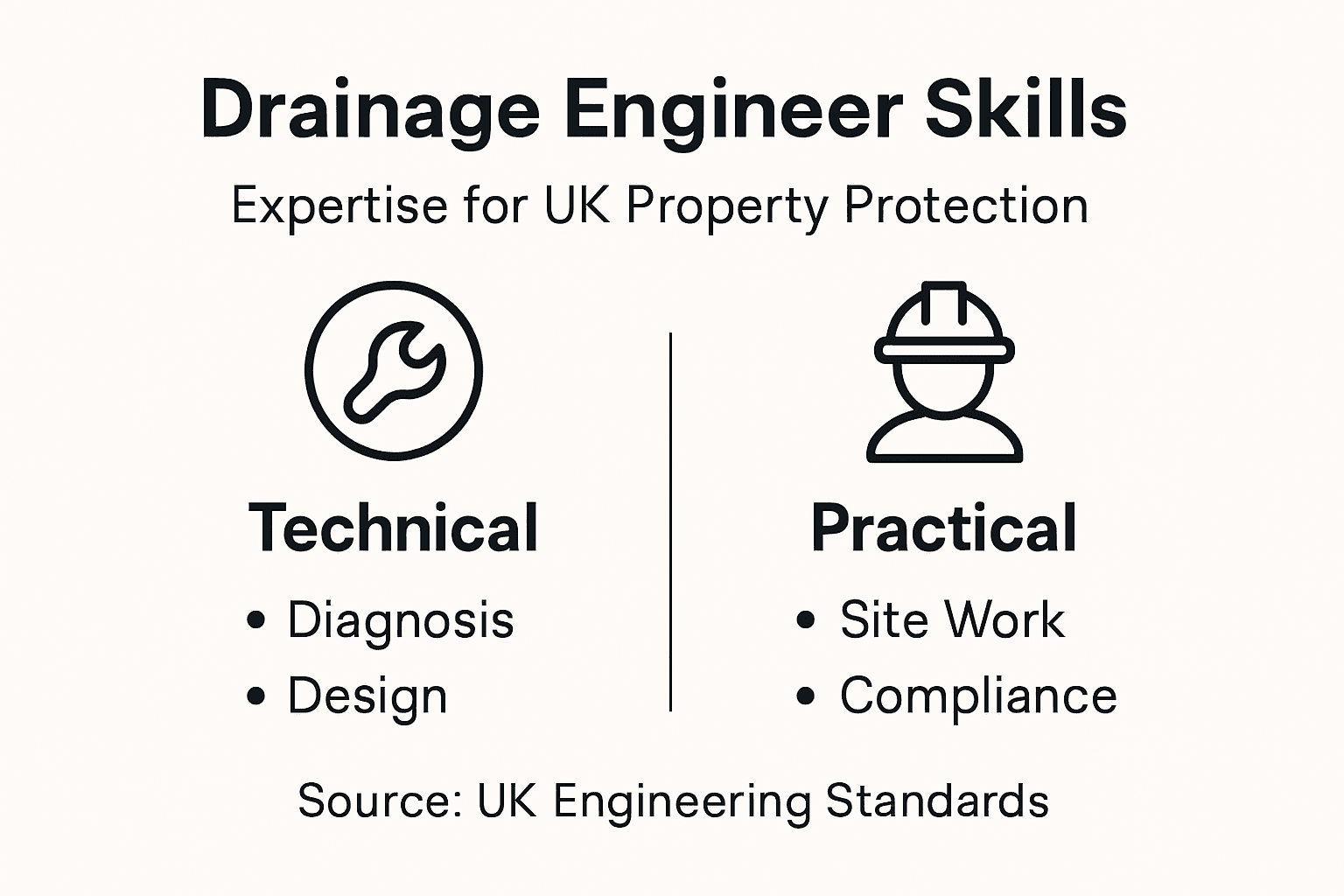
Drainage engineering represents a sophisticated technical profession requiring a comprehensive blend of academic qualifications, practical skills, and continuous professional development. Aspiring professionals must demonstrate a robust educational foundation and technical expertise to succeed in this critical infrastructure management role.
Drainage engineer roles typically require specific educational qualifications, including:
- Minimum of five GCSEs, including maths and English
- A-levels in mathematics, geography, or scientific disciplines
- National Vocational Qualifications (NVQs) in plumbing or mechanical engineering
- Recognised apprenticeship programmes
- Professional safety certifications
- Continued professional development credentials
Technical competencies are equally crucial in drainage engineering. Professionals must master a diverse range of skills including advanced diagnostic technologies, complex system design principles, and comprehensive understanding of environmental regulations. Expertise in digital mapping, hydraulic modelling, and infrastructure assessment tools becomes increasingly important in modern drainage management.
Beyond formal qualifications, successful drainage engineers demonstrate exceptional problem-solving abilities, strong analytical skills, and a commitment to ongoing learning. The ability to interpret complex technical data, operate sophisticated diagnostic equipment, and develop innovative infrastructure solutions distinguishes top-tier professionals in this dynamic field.
Pro tip: Invest consistently in professional development and seek opportunities to gain practical experience alongside your academic qualifications.
Core responsibilities and daily tasks
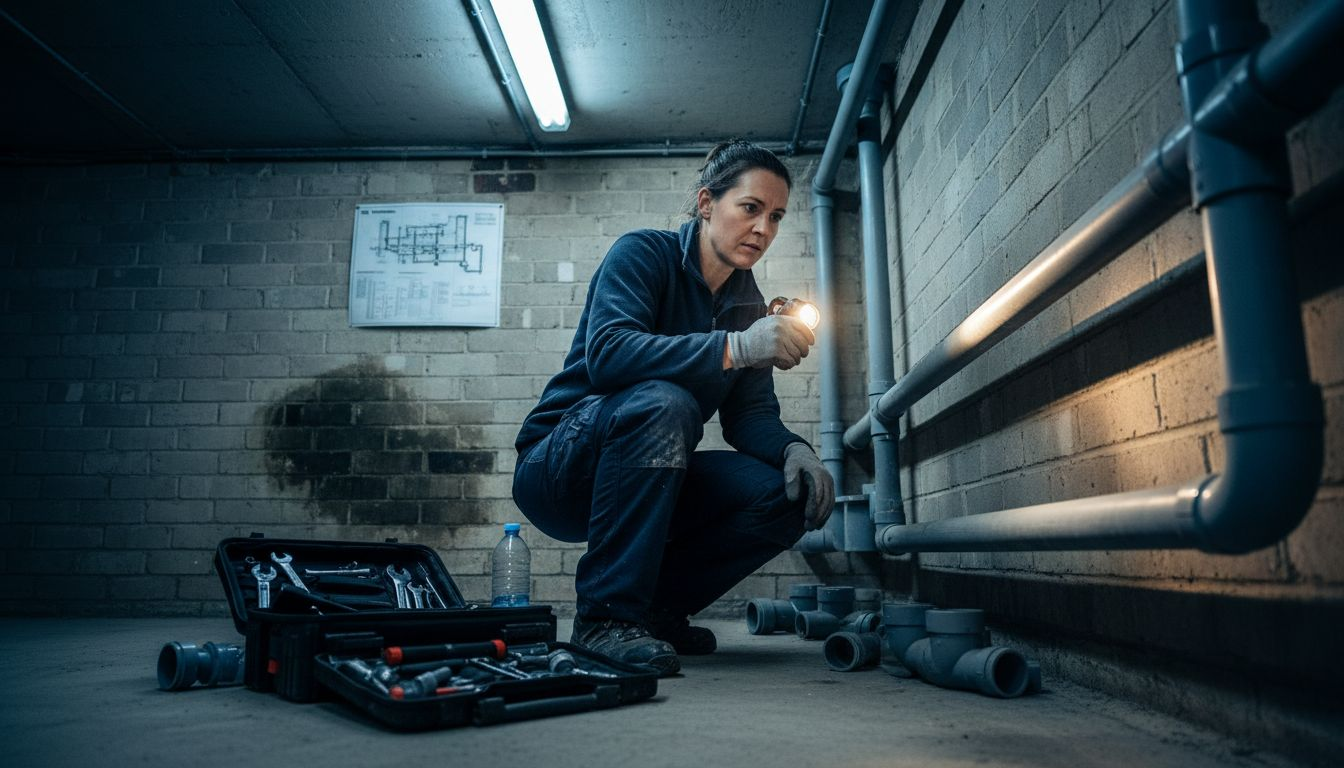
Drainage engineers operate at the critical intersection of technical expertise, environmental management, and infrastructure maintenance. Their daily responsibilities encompass a complex array of technical and operational tasks that ensure the smooth functioning of drainage systems across residential and commercial environments.
A typical day for a drainage engineer involves multiple critical activities:
- Conducting comprehensive site surveys and diagnostic assessments
- Operating advanced CCTV inspection equipment
- Identifying and mapping drainage system vulnerabilities
- Developing detailed repair and maintenance strategies
- Preparing technical reports and documentation
- Collaborating with municipal and construction teams
- Implementing emergency response protocols
- Ensuring compliance with environmental regulations
Technical problem-solving forms the core of a drainage engineer’s daily workflow. They must rapidly diagnose complex infrastructure challenges, develop innovative solutions, and execute precise repair techniques. This requires a combination of advanced technological skills, deep analytical capabilities, and practical hands-on experience.
Beyond technical tasks, drainage engineers play a crucial strategic role in infrastructure planning and environmental protection. They analyse complex drainage network data, predict potential system failures, recommend preventative maintenance strategies, and contribute to broader urban planning and environmental sustainability initiatives.
Pro tip: Maintain a detailed digital portfolio of your project experiences and technical achievements to demonstrate your professional capabilities and problem-solving expertise.
Legal standards and health & safety compliance
Legal compliance represents a critical foundation of professional drainage engineering, requiring meticulous attention to complex regulatory frameworks and safety protocols. Drainage engineers must navigate an intricate landscape of statutory requirements that govern infrastructure design, environmental protection, and workplace safety.
Drainage engineers must ensure comprehensive regulatory compliance through rigorous adherence to multiple legal standards:
- Flood and Water Management Act regulations
- Environmental protection legislation
- Health and safety statutory requirements
- Building and construction industry standards
- Water quality and pollution control codes
- Waste management and disposal guidelines
- Local authority planning permissions
- Professional indemnity and liability regulations
Comprehensive risk assessment forms a fundamental aspect of legal and safety compliance. Engineers must systematically evaluate potential hazards, implement robust safety protocols, and develop comprehensive mitigation strategies that protect both workers and the surrounding environment. This involves detailed documentation, regular safety training, and proactive risk management approaches.
Beyond immediate project requirements, drainage engineers must maintain current knowledge of evolving legislative frameworks. This demands continuous professional development, engagement with regulatory updates, and a commitment to maintaining the highest standards of professional practice. Successful professionals demonstrate not just technical competence, but a deep understanding of the legal and ethical responsibilities inherent in infrastructure management.
Pro tip: Maintain a comprehensive digital compliance portfolio documenting all safety certifications, training records, and regulatory updates to demonstrate professional diligence.
Risks, costs, and modern technology solutions
Drainage infrastructure management involves navigating complex technological landscapes where risk mitigation, cost-effectiveness, and innovative solutions intersect. Property owners and drainage professionals must understand the intricate balance between potential financial exposures and advanced technological interventions.
Modern drainage engineering encompasses several critical technological approaches for managing risks and reducing potential costs:
- Non-invasive CCTV diagnostic surveys
- Thermal imaging infrastructure assessment
- Predictive maintenance software platforms
- Advanced pipe relining technologies
- Digital mapping and geospatial analysis tools
- Real-time monitoring sensor networks
- Automated leak detection systems
- Artificial intelligence predictive maintenance algorithms
Technological innovations have dramatically transformed risk management strategies in drainage engineering. Advanced diagnostic tools enable engineers to identify potential infrastructure vulnerabilities before they escalate into expensive repair scenarios. These technologies provide granular insights into drainage system conditions, allowing for targeted, precise interventions that minimise unnecessary disruption and financial expenditure.
Economic considerations play a crucial role in drainage infrastructure management. While advanced technological solutions represent significant initial investments, they ultimately deliver substantial long-term cost savings by preventing catastrophic system failures, reducing maintenance expenses, and extending infrastructure lifespan. Successful drainage management requires a strategic approach that balances immediate financial constraints with forward-thinking technological investments.
This table outlines how modern technology solutions mitigate risks and manage costs in drainage engineering:
| Technology | Risk Mitigated | Cost Benefit |
|---|---|---|
| CCTV Drain Surveys | Early blockage detection | Reduces emergency repairs |
| Thermal Imaging | Leak and moisture identification | Minimises property damage |
| AI Predictive Maintenance | Proactive fault prediction | Extends asset lifespan |
| Digital Mapping | Accurate system documentation | Streamlines maintenance |
Pro tip: Invest in comprehensive technological assessments that provide detailed, actionable insights into your drainage infrastructure’s current condition and potential future risks.
Secure Your Property with Trusted Drainage Engineering Solutions
Drainage engineers play a vital role in safeguarding UK properties from water damage and environmental risks through expert diagnostics, advanced technology, and strategic maintenance. If you are facing persistent drainage problems or preparing for significant property developments, understanding how professional drainage services can prevent costly repairs and ensure compliance is essential. Key challenges such as blocked drains, structural vulnerabilities, and regulatory requirements demand reliable solutions designed by experienced engineers.
Protect your home or commercial premises with Local Services Drainage – the trusted provider specialising in CCTV drain surveys, emergency response, and innovative no-dig relining across Southern UK. Our expert team delivers not only rapid unblockings and repairs but also long-term guarantees and tailored maintenance plans that reflect the latest drainage engineering advances discussed in the article. Act now to avoid escalating risks and costly damage by booking a professional drainage survey today at Local Services Drainage. Your property deserves proven expertise in drainage management.
Frequently Asked Questions
What are the main responsibilities of drainage engineers?
Drainage engineers are responsible for managing water infrastructure, conducting diagnostic assessments, designing drainage systems, implementing maintenance strategies, resolving underground challenges, and ensuring compliance with environmental regulations.
How do drainage engineers contribute to property protection?
Drainage engineers play a crucial role in protecting properties from water damage by designing effective drainage solutions and implementing preventative maintenance strategies to address potential problems before they escalate.
What qualifications are needed to become a drainage engineer?
To become a drainage engineer, one typically requires GCSEs in maths and English, A-levels in relevant subjects, vocational qualifications such as NVQs in plumbing or mechanical engineering, and relevant professional certifications.
What technologies do drainage engineers use in their work?
Drainage engineers employ advanced technologies such as CCTV diagnostic equipment, thermal imaging cameras, digital mapping tools, and predictive maintenance software to assess infrastructure conditions and manage drainage systems effectively.