
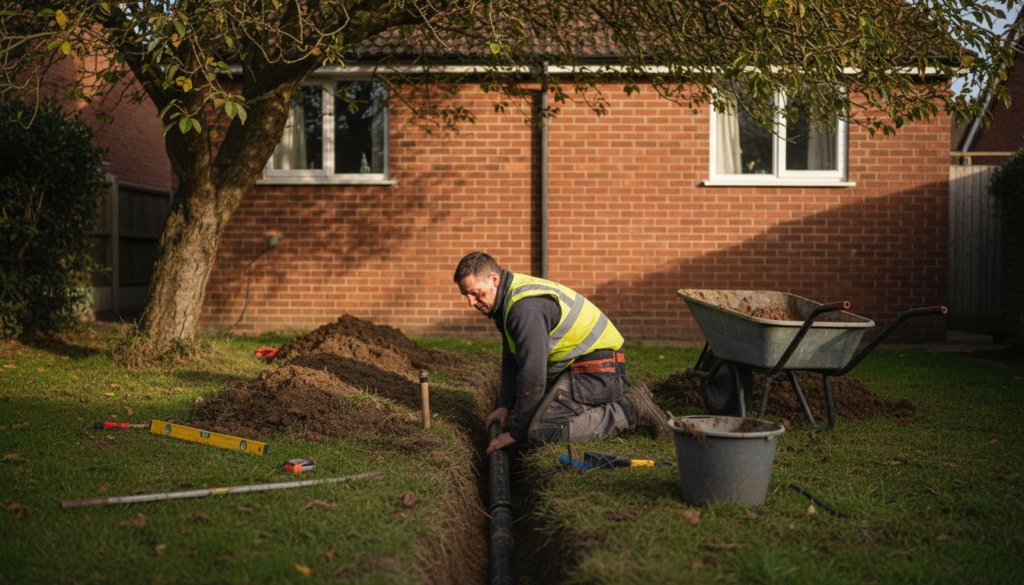
Blocked pipes and pooling water can quickly turn a comfortable home in Southern England into a source of stress. Drain installation is much more than digging a trench and laying pipes—it involves precision engineering to guide unwanted water safely away and protect your property’s structure. Whether you are battling damp walls or planning a fresh system upgrade, this guide breaks down the key steps and essential considerations for reliable drainage, helping homeowners avoid costly mistakes with clear solutions tailored for British households.
Table of Contents
- What Drain Installation Involves
- Main Types Of Domestic Drainage Systems
- Step-By-Step Residential Drain Installation
- Legal Requirements And British Standards
- Costs, Mistakes, And When To Call Experts
Key Takeaways
| Point | Details |
|---|---|
| Drain Installation Is Essential | Proper drain installation protects property by managing water flow and preventing structural damage. |
| Types of Domestic Drainage Systems | Understanding different systems ensures effective waste and water management tailored to specific needs. |
| Legal Compliance Is Critical | Adhering to British regulations and standards guarantees safety and environmental protection in drainage systems. |
| Professional Help Is Often Necessary | Consulting experts can mitigate costly mistakes and ensure a durable, efficient drainage solution. |
What Drain Installation Involves
Drain installation is a complex process that ensures efficient water management and protects your property’s structural integrity. At its core, the procedure involves creating a systematic pathway for unwanted water and waste liquids to flow safely away from your home’s foundation and into appropriate drainage systems.
The fundamental components of drain installation typically include:
- Drainage Pipe Selection: Choosing appropriate pipes based on material durability and water flow requirements
- Slope Calculation: Establishing precise gradient for optimal water movement
- Soil Preparation: Excavating and creating stable channel for pipe placement
- Protective Layering: Installing gravel and filter fabric around pipes to prevent soil intrusion
Professional drain installation considers multiple critical parameters, including:
- Gravity-based water flow dynamics
- Proper slope and grade configuration
- Health and safety risk mitigation
- Long-term system resistance to potential failure
When installing drainage systems along building footings, technicians must carefully place perforated pipes surrounded by gravel and protective fabric. These pipes are strategically positioned to direct water away from the foundation, preventing potential structural damage.
Professional drain installation requires precision engineering to guarantee reliable water management and protect your property’s foundational infrastructure.
Pro tip: Always consult professional drainage specialists to assess your specific site conditions before commencing any drain installation project.
Main Types Of Domestic Drainage Systems
Domestic drainage systems are essential infrastructure that protect properties from water damage and manage waste effectively. These systems are typically categorised into several distinct types, each serving a specific purpose in managing water flow and maintaining hygienic living conditions.
The primary types of domestic drainage systems include:
- Sanitary Drainage Systems: Responsible for disposing of wastewater from toilets, sinks, showers, and other household fixtures
- Stormwater Drainage Systems: Designed to channel rainwater away from buildings and prevent flooding
- Surface Drainage Systems: Manage water accumulation on ground surfaces through channels and ditches
- Subsurface Drainage Systems: Underground networks that prevent waterlogging and protect foundation integrity
When designing drainage systems for residential properties, professionals carefully consider multiple factors including site topography, water flow patterns, and soil permeability. These systems often combine multiple drainage approaches to ensure comprehensive water management.
Each drainage type follows specific technical requirements:
Here is a concise comparison of domestic drainage system types and their primary benefits:
| Drainage System Type | Primary Role | Key Benefit |
|---|---|---|
| Sanitary Drainage | Wastewater removal | Maintains hygiene and safety |
| Stormwater Drainage | Diverts rainwater | Prevents property flooding |
| Surface Drainage | Manages ground water accumulation | Minimises surface pooling |
| Subsurface Drainage | Removes water from below ground | Protects foundation integrity |
- Pipe sizing and configuration
- Slope and gradient calculations
- Material selection based on durability
- Compliance with local plumbing regulations
Effective domestic drainage requires a holistic approach that balances water quantity, quality, and safe disposal mechanisms.
Pro tip: Regularly inspect and maintain your drainage systems to prevent potential structural damage and ensure long-term performance.
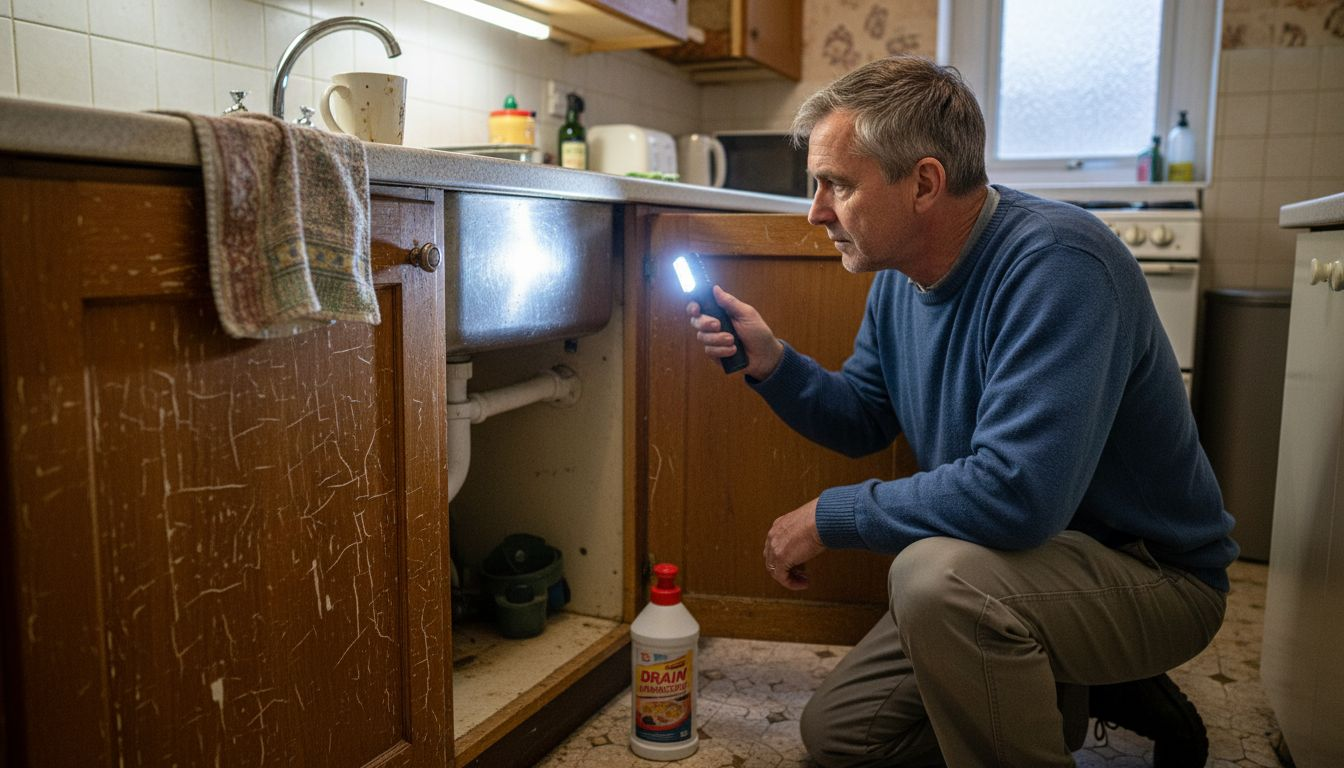
Step-By-Step Residential Drain Installation
Drain installation is a precise process that requires careful planning and execution to protect your property’s structural integrity and manage water effectively. Homeowners must understand the intricate steps involved in creating a robust drainage system that prevents water damage and ensures long-term property protection.
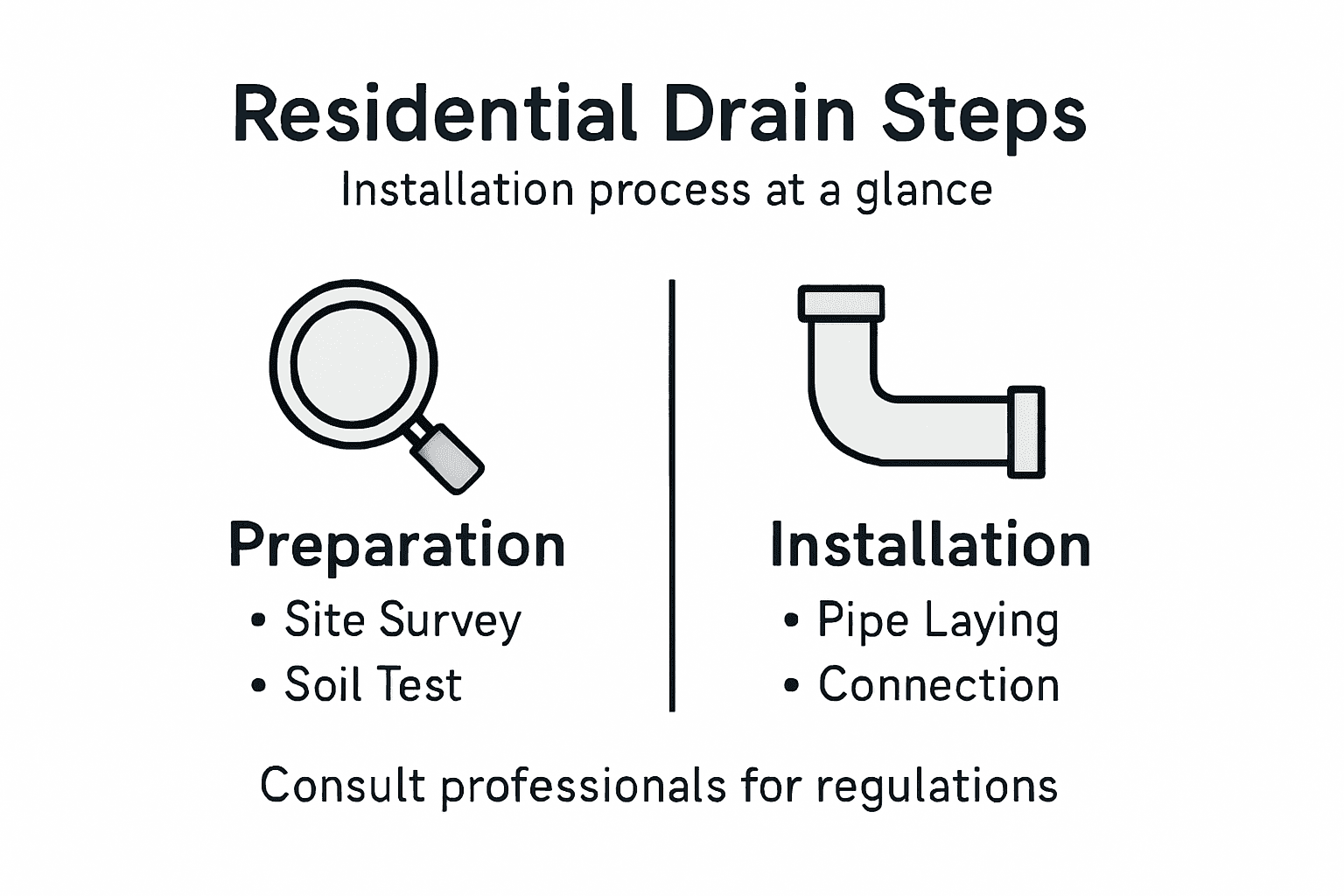
The comprehensive residential drain installation process involves multiple critical stages:
- Site Assessment: Evaluating ground conditions, slope, and potential water flow patterns
- Excavation Preparation: Marking and carefully digging trenches around foundation perimeters
- Pipe Selection: Choosing appropriate perforated pipes with correct diameter and material
- Protective Layering: Installing geotextile fabric and gravel bedding
- Drainage Pathway Design: Establishing optimal water redirection routes
When installing foundation drainage systems, professionals follow a meticulous sequence of technical steps:
- Excavate around the foundation to required depth and width
- Create appropriate slope for water drainage
- Install perforated drainage pipes
- Wrap pipes in geotextile fabric
- Add gravel or crushed stone backfill
- Ensure proper connection to discharge point
Technical considerations during installation are crucial:
- Minimum recommended slope: 1-2% gradient
- Pipe diameter: Typically 100-150mm for residential applications
- Gravel layer depth: Approximately 50-75mm surrounding pipes
- Fabric protection: Prevents sediment infiltration
Successful drain installation requires precision, technical knowledge, and careful attention to environmental conditions.
Pro tip: Consult professional drainage specialists to assess your specific site requirements before commencing any drainage installation project.
Legal Requirements And British Standards
Drainage systems in the United Kingdom are subject to rigorous legal frameworks designed to ensure public health, environmental protection, and structural safety. Homeowners and drainage professionals must navigate a complex landscape of regulations that govern every aspect of drainage installation and maintenance.
The primary legal guidelines for drainage installations include:
- Building Regulations: Comprehensive standards for drainage system design and implementation
- Approved Document H: Specific technical requirements for drainage and waste disposal
- British Standards: Detailed technical specifications for materials and installation techniques
- Water Industry Act: Regulations governing connections to public sewer systems
- Environmental Protection Guidelines: Requirements for preventing water contamination
When addressing drainage system regulations, several critical legal considerations emerge:
- Mandatory compliance with Approved Document H
- Proper certification of installation work
- Adherence to material and gradient specifications
- Ensuring safe waste disposal mechanisms
- Maintaining public health and environmental standards
Key technical requirements specified by British regulations include:
- Minimum pipe gradient of 1:40 for drainage systems
- Specific pipe material requirements
- Mandatory testing and inspection protocols
- Precise connection standards to public sewage networks
- Comprehensive documentation of installation processes
Drainage installations must strictly adhere to UK legal standards to ensure safety, functionality, and environmental compliance.
Pro tip: Always consult a certified drainage professional who understands current British building regulations to guarantee your installation meets all legal requirements.
Costs, Mistakes, And When To Call Experts
Drainage installation is a complex process where seemingly minor mistakes can lead to significant financial and structural consequences. Homeowners must understand the potential pitfalls and recognise when professional intervention becomes crucial to prevent expensive repairs and long-term property damage.
Common drainage installation mistakes that escalate costs include:
- Incorrect Slope Calculation: Compromising water flow efficiency
- Poor Pipe Material Selection: Reducing system durability
- Inadequate Foundation Preparation: Risking structural integrity
- Insufficient Drainage Capacity: Causing potential water accumulation
- Neglecting Backflow Prevention: Exposing property to contamination risks
When assessing drainage system vulnerabilities, several critical cost considerations emerge:
Below is an overview of potential costs and financial risks associated with drainage installation mistakes:
| Issue Type | Typical Cost Impact | Long-Term Risk |
|---|---|---|
| Incorrect Installation | £1,500–£7,000 | Repeated system failure |
| Emergency Repairs | £500–£5,000 | Urgent water damage |
| Structural Remediation | £5,000–£25,000 | Major foundation issues |
| Water Damage Restoration | £10,000–£50,000 | Severe property loss |
- Basic drainage installation: £1,500 – £3,500
- Complex foundation drainage: £3,500 – £7,000
- Emergency repair costs: £500 – £5,000
- Potential structural damage remediation: £5,000 – £25,000
- Long-term water damage restoration: £10,000 – £50,000
Key indicators suggesting professional intervention include:
- Persistent dampness around foundation
- Unexplained musty odours
- Visible water stains on walls
- Recurring drainage blockages
- Uneven ground settlement
- Cracks in foundation or walls
Professional drainage specialists can save homeowners thousands by identifying and addressing potential issues before they escalate into major structural problems.
Pro tip: Budget for professional drainage assessment every 3-5 years to prevent costly unexpected repairs and maintain your property’s structural health.
Secure Your Home with Expert Drain Installation Services
Understanding the crucial steps involved in drain installation is the first step to protecting your property from water damage and costly repairs. This article clearly highlights common challenges such as incorrect slope calculation, poor pipe material selection, and inadequate foundation preparation that can compromise your drainage system’s reliability. If you want peace of mind knowing that your drainage is designed and installed to meet British Standards, it is essential to rely on experienced professionals who use advanced technology and provide long-term guarantees.
At Local Services Drainage, we specialise in delivering comprehensive drainage solutions across southern England. Whether you need new installations, emergency repairs, or expert inspections like CCTV surveys and no-dig relining, our team combines precision engineering with fast response times to protect your home efficiently.
Act now to avoid the stress of unexpected drainage failures.

Contact us today for a thorough drain installation assessment and experience reliable, regulation-compliant services designed to maintain your property’s integrity for years to come. Visit our website to request a quote or book a consultation and take your first step towards a safer, drier home.
Frequently Asked Questions
What are the main components involved in drain installation?
Drain installation typically involves selecting appropriate drainage pipes, calculating slope, preparing the soil, and adding protective layers like gravel and filter fabric to prevent soil intrusion.
How do I know if my drainage system needs professional installation?
Professional installation is recommended if there are persistent dampness issues, unexplained odours, visible water stains, recurring blockages, or noticeable cracks in the foundation or walls.
What are the types of domestic drainage systems?
The primary types of domestic drainage systems include sanitary drainage systems for wastewater, stormwater drainage systems for rainwater management, surface drainage systems for managing water accumulation, and subsurface drainage systems that prevent waterlogging below ground.
What are the legal requirements for drain installation in the UK?
Legal requirements include compliance with Building Regulations, particularly Approved Document H, adherence to British Standards for materials and installation, and ensuring connections to public sewer systems follow the Water Industry Act.