TL;DR:
- Water backing up through sinks or toilets signals an emergency requiring immediate action to prevent property damage and health risks. A clear checklist advises stopping water use, documenting the scene, containing damage, attempting safe DIY fixes, and calling qualified drainage specialists or landlords promptly. Acting within 24 hours and recognizing warning signs can save costs, protect properties, and ensure legal compliance for landlords.
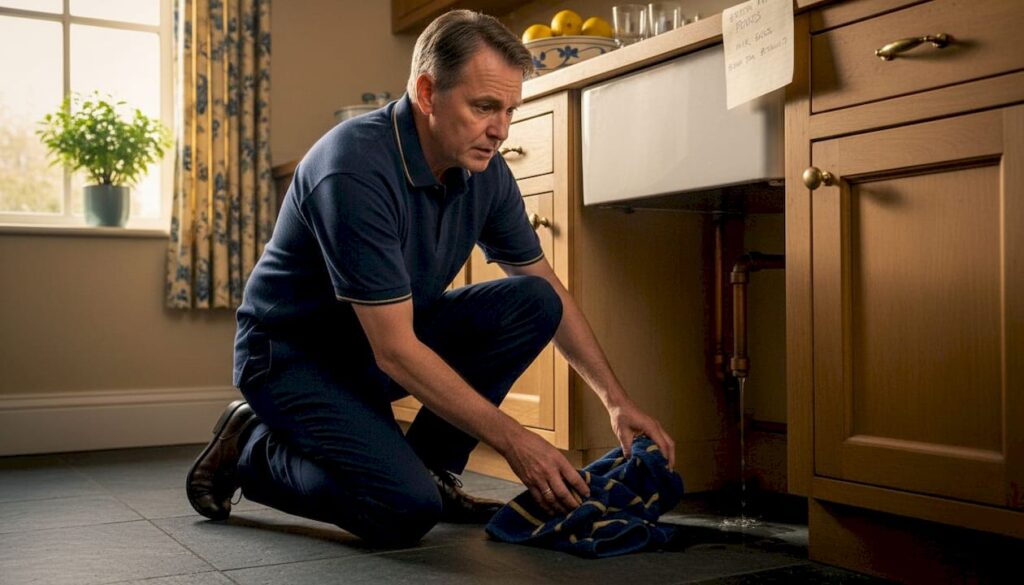
Water backing up through your kitchen sink or toilet is one of those moments that makes your stomach drop. Every second of hesitation could mean saturated floorboards, ruined carpets, or sewage seeping into places it should never reach. The problem is that most homeowners and landlords have no clear plan in their head for that exact moment. They either panic and do nothing, or they try the wrong things and make the situation worse. This guide cuts through that confusion with a precise, step-by-step checklist so you know exactly what to do, who to call, and when to stop trying to handle it yourself.
Table of Contents
- Key criteria: what defines an emergency drainage situation?
- Step-by-step emergency drainage checklist
- Who to call: drainage specialist, plumber, or landlord?
- Comparison table: DIY fixes vs professional emergency help
- Preventative actions to reduce future emergencies
- Our perspective: the mistake most people make is waiting
- When drainage emergencies strike, we are ready to help
- Frequently asked questions
Key Takeaways
| Point | Details |
|---|---|
| Act within 24 hours | Emergency drainage issues should be tackled promptly to prevent property damage. |
| Know the escalation triggers | Signs like sewage smell, flooding, or multiple blockages signal the need for expert help. |
| DIY has clear limits | Minor blockages can be tackled safely, but severe cases demand professional intervention. |
| Choose the right contractor | Drainage engineers are best for specialised blockages, not just any plumber. |
| Prevention is best | Routine maintenance dramatically lowers your risk of facing another emergency. |
Key criteria: what defines an emergency drainage situation?
Not every slow drain is a crisis. But some drainage problems absolutely are, and misreading the signs is how minor incidents become expensive disasters. Understanding the difference between a nuisance and a genuine emergency is the first skill you need.
A drainage emergency is any situation where water or sewage is actively backing up, flooding a space, or threatening the structural integrity of your property. The causes of drain blockages range from fat and grease accumulation to collapsed pipes, and the severity of the blockage determines how quickly you need to act.
Here are the warning signs that mean you are dealing with a genuine emergency:
- Water is visibly rising or backing up through a sink, toilet, or shower tray
- More than one fixture or drain is blocked or draining slowly at the same time
- Strong sewage or sulphur smells are coming from drains or outside the property
- You can hear gurgling sounds in multiple places simultaneously
- There is water pooling on floors, near walls, or outside the building above normal rain levels
- You suspect a pipe has cracked, shifted, or collapsed beneath the ground
K&G Lettings’ tenant guidance notes that safe DIY unblocking is typically limited to minor blockages. Escalation is clearly recommended when water is backing up or leaking, more than one drain is blocked, there is flooding or strong sewage smells, or structural failure is suspected.
The reason speed matters so much is compounding damage. A slow leak under a floor takes days to cause visible harm. Active sewage backup can contaminate surfaces, trigger mould growth within 24 to 48 hours, and create a serious health hazard for anyone in the property. For landlords managing rental properties, there are also legal obligations around habitability that make swift action essential.
In a rental context, the rules are clear. Tenants are expected to escalate serious drainage issues immediately rather than attempt repairs themselves. The longer a tenant waits to report flooding or sewage backup, the more complex the question of responsibility becomes.
Step-by-step emergency drainage checklist
Once you know you have an emergency, you need immediate practical steps. Here is what to do, in order, to protect your property.
-
Stop using water. Switch off taps, do not flush toilets, and ask everyone in the property to stop using water immediately. Adding more water to a blocked or overwhelmed system escalates the problem rapidly.
-
Assess the scale. Walk through the property quickly. Is it one drain or several? Is water actively rising? Is there a sewage smell? Your answers to these questions determine your next move.
-
Photograph and document everything. Take clear photos and short videos of every affected area before you touch anything. This is critical for insurance claims and for landlord notifications. Do not skip this step even if it feels like a delay.
-
Contain the water. Lay down towels, use buckets, or move valuables off the floor. This limits damage while you work through the next steps.
-
Try one simple DIY step if safe to do so. For a single blocked sink with no overflow, a plunger or a drain snake may shift a surface blockage. Follow the how to unblock a drain guidance for safe technique. Do not use chemical drain unblockers if water is already standing still in the drain as the chemicals can splash back.
-
If the issue does not clear immediately, escalate. One unsuccessful attempt with a plunger is enough. Repeated attempts risk pushing a blockage deeper or damaging pipework.
-
Contact a professional or your landlord. If you are a tenant, contact your landlord or letting agent immediately. If you own the property, call a specialist drainage engineer. The full emergency drainage process covers what to expect when you make that call.
-
Keep a record of all communications. Write down the time you called, who you spoke to, and what was agreed. This protects you legally and practically.
Pro Tip: Before you call a drainage engineer, have your photos ready, know roughly where your stopcock is, and note which fixtures are affected and in what order the problems appeared. Engineers can diagnose issues faster and more accurately when you give them a clear picture upfront.
Regarding timescales, Leeds City Council’s guidance on urgent repairs sets a clear standard: urgent repairs following flooding or similar incidents should be attended to as soon as possible, with attendance expected within 24 hours. This sets the benchmark even for private landlords in terms of what a reasonable response looks like.
Who to call: drainage specialist, plumber, or landlord?
Once you have completed the checklist, there is often a crucial decision about who should actually handle the incident. Getting this wrong wastes time and money.
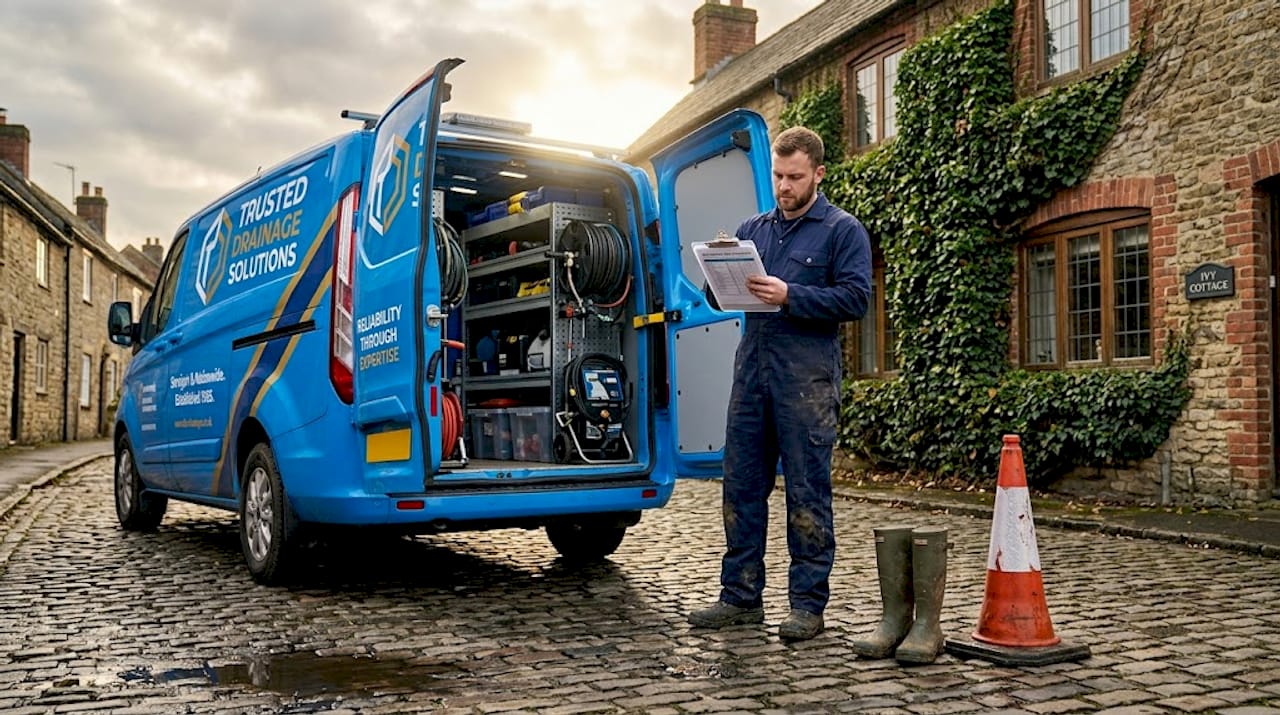
Drainage engineer vs. general plumber. A drainage engineer specialises in blockages, pipe inspection, CCTV surveys, and structural drain repairs. A general plumber is best suited to internal pipework, fixtures, and supply issues. For any blockage that goes beyond the immediate fixture, a drainage engineer is the right call. Which? guidance reinforces that choosing the right specialist for the problem is central to a good outcome, and that drainage-specific issues often need drainage-specific expertise.
Here is a quick breakdown of common scenarios and who to contact:
- Single sink or bath blocked, no overflow: You may try DIY first, then call a plumber or drainage engineer if it persists.
- Multiple drains blocked simultaneously: Call a drainage engineer immediately. This suggests a main drain or sewer problem.
- Sewage smell with backing up water: Call a drainage engineer. Do not attempt DIY. Vacate the area if the smell is strong.
- Visible flooding from a drain or gully outside: Call a drainage engineer. This may involve shared sewers and could require contacting your water authority too.
- Suspected pipe collapse or subsidence: Call a drainage engineer with CCTV survey capability. This is beyond any DIY or general plumber scope.
- Tenant in a rented property: Contact your landlord or letting agent first. They carry the legal obligation for structural and drainage repairs.
When it comes to emergency drainage choices, using a specialist rather than a general tradesperson often means a faster diagnosis and a permanent fix rather than a short-term patch.
Pro Tip: If you are unsure whether to call a plumber or a drainage engineer, default to the drainage engineer for anything that involves more than one fixture or any kind of outdoor drain. The cost of calling the wrong professional and then having to call the right one is far higher than simply starting with the specialist.
For landlords specifically, acting quickly is both a legal and financial imperative. A slow response to a drainage emergency can expose a landlord to liability for consequential damage to a tenant’s belongings, and in extreme cases, render a property temporarily uninhabitable.
Comparison table: DIY fixes vs professional emergency help
It is helpful to see, side by side, when a quick hands-on attempt is sensible and when the stakes are too high to risk delay.
| Situation | DIY appropriate? | Professional required? |
|---|---|---|
| Single slow-draining sink, no odour | Yes, try a plunger or drain snake | Only if DIY fails after one attempt |
| Standing water in one sink, no backup | Cautiously yes | If water does not shift within minutes |
| Water backing up through multiple drains | No | Yes, call immediately |
| Sewage smell inside the property | No | Yes, call immediately |
| Outdoor drain overflowing | No | Yes, may involve sewer authority too |
| Suspected cracked or collapsed pipe | Absolutely not | Yes, CCTV survey needed |
| Foam or chemical residue in drainage system | No | Seek emergency foam removal experts |
The DIY drain cleaning guide outlines what homeowners can safely attempt at home, but as tenant guidance makes clear, safe DIY is genuinely limited to minor, surface-level blockages.
There are several situations where you must escalate regardless of what you have already tried:
- Water has reached electrical sockets, appliances, or fuse boards
- The smell suggests raw sewage rather than ordinary drain odour
- You have already tried one DIY method without success
- A neighbour has reported the same issue (indicating a shared or main sewer problem)
- Any structural damage is visible around drain covers or outside gullies
Photographing everything before, during, and after is not just good practice. It is essential for insurance purposes and for any dispute between landlords and tenants about who caused a problem and when.
Preventative actions to reduce future emergencies
After dealing with an emergency, it is vital to take steps to prevent future incidents and regain peace of mind. An emergency rarely comes entirely out of nowhere. In most cases, there were warning signs that were missed or ignored. Building a simple maintenance habit into your routine takes very little time and can save significant money and stress.
Here are practical actions that make a real difference:
- Never pour cooking fat, oil, or grease down any drain. These cool and solidify inside pipes, narrowing the bore until nothing can pass.
- Use drain guards on all plug holes to catch hair, food particles, and debris before they enter the system.
- Flush your drains monthly with hot (not boiling) water to soften accumulated grease and flush minor debris through.
- Check outdoor gullies and drain covers seasonally, particularly in autumn when leaves accumulate and block surface water drainage.
- Monitor the ground around your property for soft patches, subsidence, or unusual dampness, which can indicate a leaking underground pipe.
- Keep a note of your drainage layout if you know it, including where your inspection chambers and stopcock are located.
Pro Tip: Save the number of a reliable local drainage engineer in your phone before you ever need it. In an emergency, searching for a trustworthy specialist under pressure leads to rushed decisions. Having a number ready means you can call someone you have already vetted.
Which? guidance highlights that preventative habits and the right specialist tools make a substantial difference in avoiding repeat blockages. A one-off CCTV survey of your drainage system after any major incident gives you a clear picture of what is happening inside your pipes, whether there is root ingress, partial collapse, or fat accumulation building up again.
For landlords, scheduling annual professional drain inspections as part of your routine property maintenance is one of the best investments you can make. Our drain maintenance tips and preventative maintenance guide cover the full range of habits and professional services that keep drains clear year after year.
Our perspective: the mistake most people make is waiting
Here is something we see repeatedly, and it is worth saying plainly. The most expensive drainage jobs we attend are not the ones where something suddenly failed. They are the ones where something was quietly failing for weeks or months and nobody acted on the early signs.
A gurgling toilet dismissed as “just one of those things.” A slow-draining bath assumed to be hair that would eventually shift. A faint sewage smell put down to a nearby bin. These are not random annoyances. They are a drainage system telling you that something is building up, backing up, or breaking down.
Conventional advice says “if in doubt, call a professional.” We would sharpen that to: if you notice anything out of the ordinary with your drainage and it does not resolve within 24 hours after one attempt, pick up the phone. The call costs nothing. The survey is a fraction of what water damage repair costs. And in most cases, catching a problem at the “persistent gurgle” stage rather than the “sewage on the floor” stage means the repair is simpler, faster, and far cheaper.
For landlords, this is even more pressing. Your legal duty of care does not begin when a tenant reports a crisis. It begins the moment there is a reasonable indication that something needs attention. Acting on early reports protects your tenants, your property, and ultimately your investment.
When drainage emergencies strike, we are ready to help
Knowing the checklist is the first step. Having the right team ready to respond is the next.
At Local Services Drainage, we respond to emergency drainage situations across the southern UK, with fast attendance times and specialist engineers who handle everything from urgent unblocking to CCTV surveys and no-dig pipe relining. Whether you are a homeowner facing an overflowing drain or a landlord managing a tenanted property, we provide clear quotes, transparent advice, and long-term repair guarantees. Use our online booking form to request urgent help or get a quote quickly, and save our number so you are never searching under pressure. We are here when it matters most.
Frequently asked questions
How quickly should an emergency drainage issue be attended to?
Urgent drainage issues should be addressed as soon as possible, ideally within 24 hours, especially after flooding or sewage backup. Leeds City Council’s guidance on urgent repairs confirms this as the expected standard for landlords and housing providers.
What are the warning signs of a major drainage emergency?
Flooding, strong sewage smells, water backing up, multiple blocked drains, or visible leaks are key warning signs. As K&G Lettings’ tenant guidance notes, any of these signs means you should escalate rather than attempt DIY.
Who is responsible for emergency drainage repairs in a rental home?
Landlords are responsible for emergency repairs affecting habitability, and tenants should escalate promptly if major blockages or sewage problems occur. Leeds City Council’s repair guidance sets the 24-hour attendance expectation for urgent flood or drainage-related incidents.
Can I attempt to fix an emergency drain blockage myself?
You may try fixing minor, single-fixture blockages, but any water backup, overflow, or sewage smell means you should escalate to a landlord or specialist. K&G Lettings’ guidance is clear that safe DIY is limited to minor blockages only.
Is a drainage engineer better than a plumber for emergencies?
For complex or severe drainage blockages, a drainage engineer or a plumber with specific drainage expertise is the right choice. Which? recommends matching the specialist to the problem, with drainage-specific issues requiring drainage-specific skills.