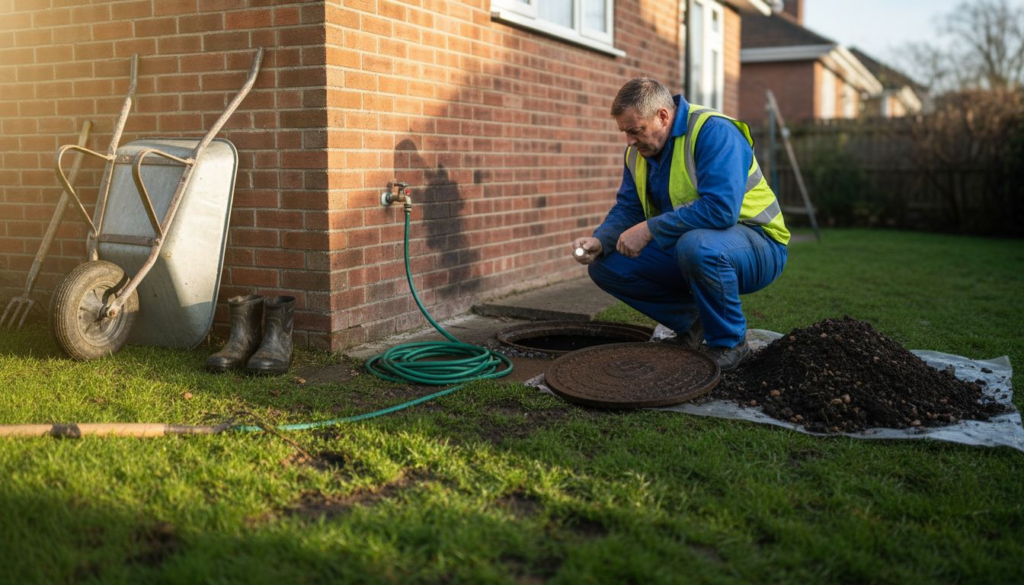
Rainfall in Southern UK brings more than just muddy gardens—it poses risks to homes and rental properties when drainage systems struggle to keep up. The hidden network beneath your property combines both surface drains and subsurface pipes, relying on gravity and careful grading for smooth water flow. Understanding the core components and types of drainage systems empowers you to spot early warning signs, protect your investment, and plan maintenance before emergencies strike.
Table of Contents
- What Makes Up A Drainage System?
- Types Of Drainage Components Explained
- How UK Regulations Shape Drainage Systems
- Maintenance, Costs, And Common Issues
Key Takeaways
| Point | Details |
|---|---|
| Understanding Drainage Systems | A drainage system comprises surface and subsurface components working together to manage water effectively from your property. |
| Importance of Maintenance | Regular maintenance, such as CCTV surveys and clearing debris, prevents costly emergency repairs and extends the lifespan of the system. |
| Regulatory Compliance | Adhering to UK drainage regulations is crucial to prevent flooding and protect water quality, reducing potential liabilities. |
| Investment in Solutions | Proactive investments in drainage upgrades can minimise long-term costs and enhance property resilience against water-related damage. |
What Makes Up a Drainage System?
A drainage system is more than just pipes. It’s a carefully designed network of pipes, fittings, and fixtures working together to move wastewater away from your home. Think of it as your property’s invisible circulatory system.
Your drainage system has two main parts:
- Surface drainage – removes water from visible areas like gardens, patios, and driveways
- Subsurface drainage – manages water underground using perforated pipes or French drains to prevent waterlogging
The system relies on gravity and proper slope to push water downhill towards the main drain connection. Without the right gradient, water sits and stagnates, leading to blockages.
Core Components
Every drainage system includes these working parts:
- Inlet pipes and gullies – collect water from your property surface
- Fittings and traps – connect pipes and prevent odours from reversing back into your home
- Soil and waste pipes – carry sewage and grey water towards the main drain
- Main drainage stack – the central pipe that moves everything downhill
- Underground chamber or septic tank – holds waste before it enters the public sewer
Proper grading and site topography are fundamental to effectiveness. If your ground isn’t sloped correctly, water pools instead of flowing.
A well-designed drainage system includes redundancy – meaning water has alternative paths if one section becomes blocked.
In Southern UK properties, clay-heavy soil and seasonal rainfall make subsurface drainage especially important. You’re dealing with groundwater that builds up quickly, particularly in winter. Most homes here benefit from understanding how drains and sewer systems actually work to diagnose problems early.
When components fail—cracked pipes, damaged fittings, or poor slopes—water backs up into your property or gardens. This is why knowing what comprises your drainage system matters.
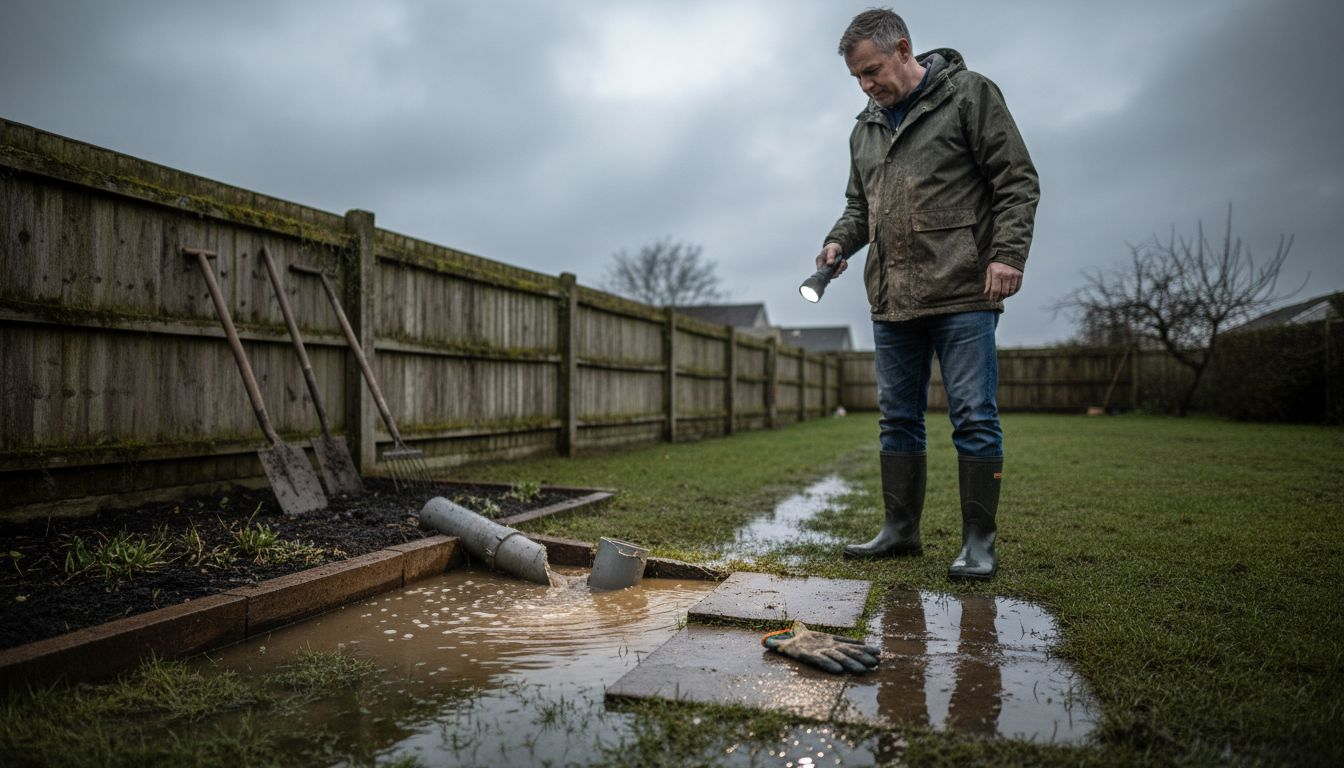
Pro tip: Get a CCTV survey of your drainage system to see exactly what you’re working with—you’ll spot cracks, tree root intrusion, and blockages before they become expensive problems.
Types of Drainage Components Explained
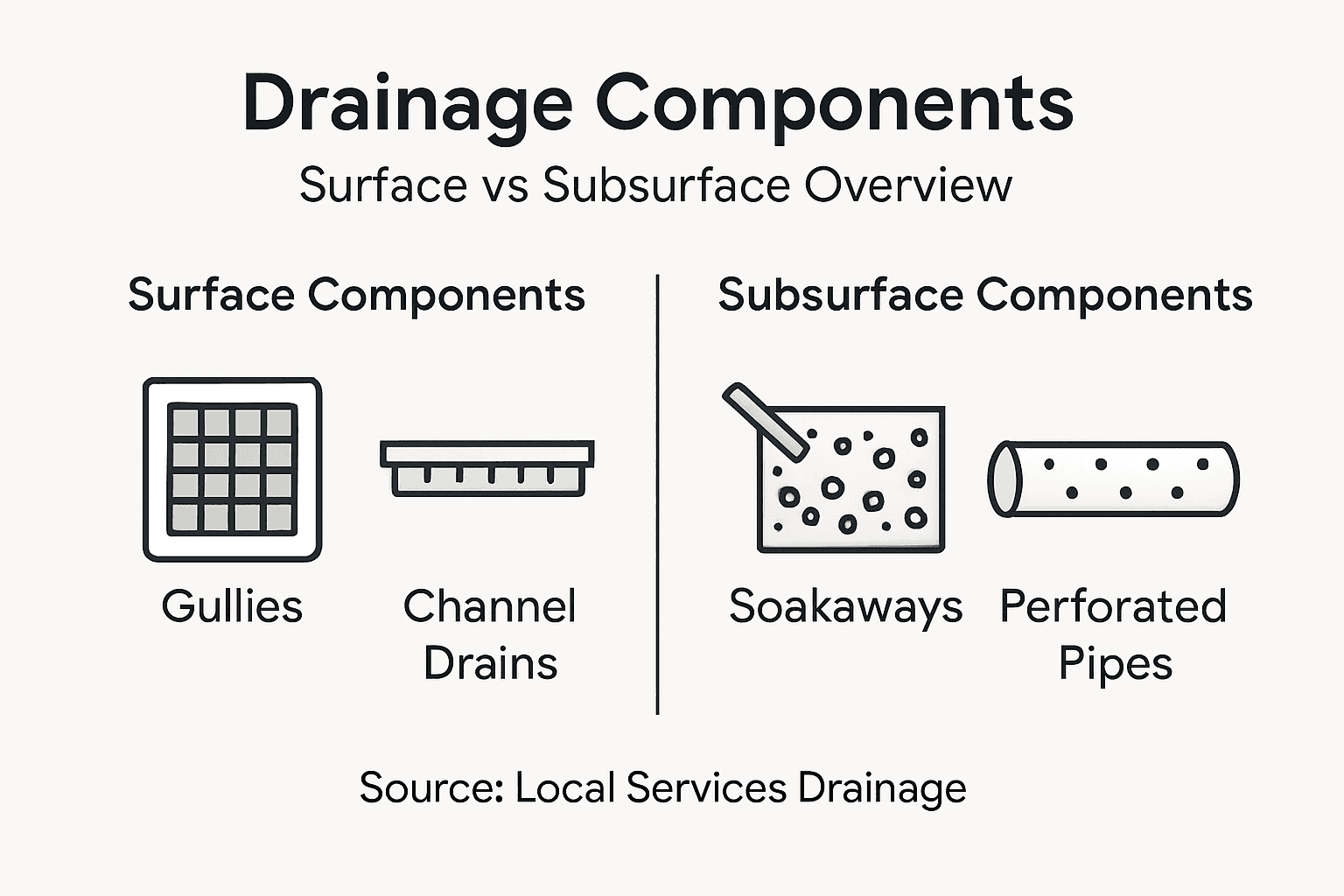
Drainage components fall into two distinct categories: those managing water on the surface and those working underground. Each type serves a specific purpose, and understanding the difference helps you identify problems quickly.
Surface Drainage Components
Surface drainage tackles water that pools on your property. These visible components prevent standing water, erosion, and soggy gardens.
Common surface components include:
- Gullies and catch basins – collect rainwater runoff from roofs, patios, and driveways
- Ditches and swales – channel water away from buildings and across landscapes
- Channels and gratings – direct flow into underground pipes
- Grading adjustments – slopes the ground to encourage natural water movement
Think of these as your property’s first line of defence. Without proper surface drainage, water collects near foundations and causes damp problems.
Here’s a summary comparing surface and subsurface drainage components in residential systems:
| Aspect | Surface Drainage | Subsurface Drainage |
|---|---|---|
| Visibility | Easily seen on property | Hidden beneath the ground |
| Primary Purpose | Removes rainwater and runoff | Manages soil and groundwater |
| Maintenance Needs | Regular clearing of debris | Routine inspections and surveys |
| Risks if Neglected | Damp, erosion near foundations | Waterlogging, structural damage |
Subsurface Drainage Components
Underground components manage water within the soil and beneath your property. They’re invisible but absolutely critical for preventing waterlogging and structural damage.
Key subsurface elements include:
- Perforated pipes – collect and direct groundwater away from structures
- Land drains and French drains – remove excess soil moisture
- Inspection chambers – access points for cleaning and monitoring
- Soakaway pits – allow water to disperse into the ground naturally
- Main drain pipes – transport collected water towards the public sewer
These components work silently beneath your feet, but they’re doing heavy lifting, especially in Southern UK where clay soil retains moisture.
How They Work Together
Storm water drainage systems comprise multiple elements that interconnect seamlessly. Catch basins collect surface water, which feeds into underground pipes, flows through inspection chambers, and eventually reaches the main drain or treatment facility.
Every component depends on the others functioning properly—a blocked catch basin backs up the entire system.
When you need new drainage work, understanding these component types ensures you get the right solution. Surface issues require surface fixes; groundwater problems demand subsurface drainage.
Pro tip: Ask your drainage engineer to explain which components exist on your property—knowing what you have makes maintenance and future repairs far more straightforward.
How UK Regulations Shape Drainage Systems
UK drainage regulations aren’t arbitrary rules—they exist because poor drainage causes flooding, property damage, and environmental harm. Understanding what the law requires helps you make informed decisions about your system.
Regulations stem from two main concerns: protecting properties from flooding and safeguarding water quality. Your drainage system must handle both everyday rainfall and extreme storm events.
Flood Control Requirements
The UK takes flood risk seriously. Building Regulations require drainage systems designed to manage water effectively during heavy rainfall without backing up into properties.
Key requirements include:
- Adequate pipe sizing – pipes must be large enough for expected water volumes
- Proper gradient slopes – minimum falls ensure water moves downhill by gravity
- Sufficient capacity – systems handle regular storms plus occasional extreme events
- Accessible inspection points – allow engineers to monitor and maintain the system
This is why modern drainage designs integrate flood control with stormwater quality management to protect both your property and the environment. You can’t simply push water away quickly—it must be managed responsibly.
Environmental Protection Standards
Regulations also control what enters waterways. Run-off from your property carries pollutants, sediment, and oils that damage ecosystems.
Compliance involves:
- Pollutant control – filtering debris before water reaches public sewers
- Erosion management – preventing soil loss through proper channelling
- Runoff velocity control – slowing water to reduce impact downstream
- Sustainable design – systems that work with nature, not against it
Modern UK regulations require drainage systems that protect both your property and the local environment simultaneously.
When planning drainage installation work, these standards mean higher upfront costs but significantly lower long-term risks.
Why This Matters to You
Non-compliant systems create liability. If your drainage causes flooding to neighbouring properties or pollutes local watercourses, you’re potentially liable for damages.
Professional drainage engineers design systems meeting current regulations. Older properties often have outdated systems that don’t meet modern standards, making upgrades worthwhile.
Pro tip: Request documentation showing your drainage system meets current Building Regulations—if you can’t get it, that’s a red flag suggesting your system may need assessment or upgrade.
Maintenance, Costs, and Common Issues
Neglecting drainage maintenance is like ignoring a small leak—it becomes catastrophic. Understanding common problems, maintenance needs, and costs helps you avoid expensive emergency repairs.
Common Drainage Problems
Most drainage issues stem from preventable causes. Recognising early warning signs saves thousands in repair bills.
Typical problems include:
- Blockages – caused by debris, grease, tree roots, or waste buildup
- Pipe cracks and fractures – allow soil infiltration and water escape
- Poor gradients – water pools instead of flowing, causing stagnation
- Failed joints – connections separate, letting sewage leak into soil
- Collapsed pipes – typically older clay or concrete pipes fail under pressure
Blockages caused by debris and waste buildup lead to flooding and infrastructure damage, making regular cleaning essential.
Maintenance Requirements
Proactive maintenance prevents emergencies. Scheduled inspections catch problems before they worsen.
Key maintenance tasks include:
- Annual CCTV surveys – inspect pipes for cracks, roots, and blockages
- Clearing gullies and catch basins – remove leaves and debris quarterly
- Drain jetting – high-pressure cleaning removes buildup and roots
- Checking gradients – ensure pipes still slope correctly
- Monitoring inspection chambers – watch for water pooling or odours
Regular maintenance costs a few hundred pounds yearly but prevents repairs costing thousands.
Understanding Costs
Drainage costs vary dramatically based on the problem severity and your system type. Emergency call-outs cost more than planned maintenance.
Typical expenses:
- CCTV surveys: £150–£400
- Drain jetting: £200–£500
- Blockage removal: £300–£800
- Pipe relining: £2,000–£8,000
- Full replacement: £5,000–£20,000+
Investing in preventative maintenance strategies reduces long-term operational costs significantly. Modern designs incorporating sustainable features like permeable surfaces minimise future expenses.
The following table summarises typical drainage maintenance costs and potential outcomes:
| Service Type | Typical Cost Range | Benefit of Annual Investment |
|---|---|---|
| CCTV Pipe Survey | £150–£400 | Early issue detection |
| Drain Jetting | £200–£500 | Prevents stubborn blockages |
| Pipe Relining | £2,000–£8,000 | Extends pipe lifespan |
| Full Replacement | £5,000–£20,000+ | Resolves chronic failures |
Older Southern UK properties with clay soil face higher risks. Annual inspections identify problems when repairs remain affordable.
Pro tip: Budget £300–£400 annually for routine maintenance—this single investment prevents emergency call-outs costing triple that amount during winter when problems emerge.
Protect Your Home with Expert Drainage Solutions
Understanding the critical components of your drainage system reveals why small issues like blockages or poor gradients can escalate into costly damage. Whether you face surface water pooling or hidden subsurface drainage faults, ignoring maintenance puts your property at risk. Key pain points such as cracked pipes, blocked gullies, and inadequate slope demand expert attention to avoid flooding and damp problems.
At Local Services Drainage, we specialise in comprehensive drainage care tailored to Southern UK soil and weather conditions. Our advanced services include CCTV surveys that pinpoint hidden faults, no-dig pipe relining to fix cracks without disruption, and emergency drain unblocking when you need a fast response. We understand how essential it is to maintain drainage components like inspection chambers, perforated pipes, and catch basins to protect your home and environment.
Don’t wait for a small blockage to become a major emergency. Take control of your drainage system by contacting Local Services Drainage today. Get a professional assessment, explore preventative maintenance options, and secure long-term peace of mind with our expert team ready to support your property needs now.
Frequently Asked Questions
What are the main components of a drainage system?
A drainage system consists of inlet pipes, gullies, fittings, soil and waste pipes, a main drainage stack, and an underground chamber or septic tank. Each component plays a crucial role in moving wastewater away from your property.
How does surface drainage differ from subsurface drainage?
Surface drainage manages water that pools on the surface of your property, using components like gullies and catch basins, while subsurface drainage deals with underground water, employing elements like perforated pipes and French drains to prevent waterlogging.
What are the common issues with drainage systems?
Common drainage issues include blockages from debris and waste buildup, cracked pipes, poor gradients leading to water pooling, and collapsed pipes. Regular maintenance can help prevent these problems.
Why is it important to maintain my drainage system?
Regular maintenance of your drainage system prevents costly emergencies caused by blockages and structural damage. Proactive measures, such as annual inspections and clearing debris, ensure the system functions effectively and protects your property from water-related issues.