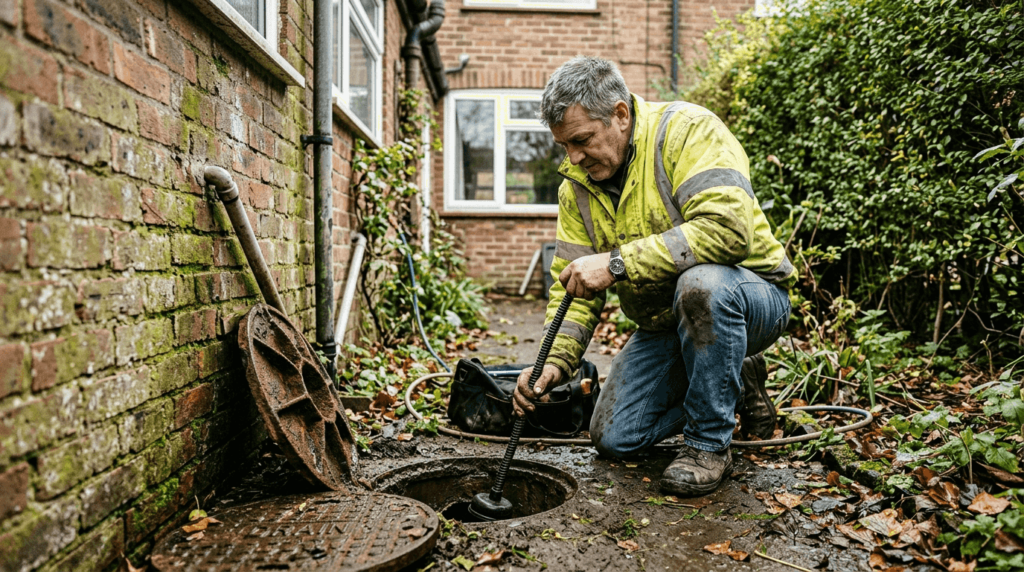
Many homeowners believe that all drain blockages are simple problems requiring just a plunger and a bit of elbow grease. This misconception often leads to worsening issues, costly emergency repairs, and preventable property damage. Drain unblocking is actually a skilled maintenance task involving various techniques, tools, and professional knowledge tailored to different blockage types and pipe conditions. This comprehensive guide clarifies exactly what drain unblocking entails, explores the common causes affecting UK homes, details the methods professionals use, and provides practical prevention strategies to keep your drainage system flowing smoothly throughout 2026 and beyond.
Table of Contents
- Understanding What Drain Unblocking Means
- Common Causes And Signs Of Blocked Drains In UK Homes
- Methods And Tools Used For Effective Drain Unblocking
- Preventing Blockages And Maintaining Healthy Drains
- Explore Expert Drain Unblocking And Maintenance Services
- Frequently Asked Questions
Key takeaways
| Point | Details |
|---|---|
| Drain unblocking removes obstructions | Professional techniques restore normal water flow by clearing grease, hair, roots, and debris from pipes |
| Common UK causes vary by location | Kitchen drains suffer from grease buildup whilst bathroom drains clog with hair and soap residue |
| Methods range from simple to advanced | Solutions include manual rodding, high-pressure jetting, and CCTV diagnosis depending on severity |
| Prevention saves money and hassle | Regular maintenance, proper disposal habits, and professional inspections prevent most blockages |
| Professional service ensures safety | Trained technicians tackle severe blockages without damaging pipes or risking health hazards |
Understanding what drain unblocking means
Drain unblocking is the process of clearing blockages that inhibit normal water flow through your property’s drainage system. This essential maintenance task removes accumulated solids, hardened grease, invasive tree roots, and miscellaneous debris that obstruct pipes, traps, and gullies. Understanding the scope helps you respond appropriately when drainage problems arise.
Drain unblocking differs fundamentally from drain repair, which addresses structural damage like cracks, collapses, or corrosion. Whilst unblocking restores flow through existing infrastructure, repairs fix the pipes themselves. Many homeowners confuse these services, leading to inappropriate DIY attempts or delayed professional intervention.
Blockages occur throughout various household drainage systems, each presenting unique challenges:
- Kitchen sinks accumulate grease, food particles, and detergent residue
- Bathroom drains collect hair, soap scum, and cosmetic products
- Toilets become blocked by excessive paper, sanitary products, or foreign objects
- Rainwater gullies fill with leaves, silt, and garden debris
- Underground pipes suffer from root intrusion and ground movement
The drainage components involved in unblocking work include waste pipes connecting fixtures to the main drain, U-bends and P-traps that prevent sewer gases entering your home, inspection chambers providing access points, and external gullies collecting surface water. Each component requires specific knowledge and techniques for effective unblocking.
Professional drain specialists assess the entire system before selecting appropriate methods. This comprehensive approach prevents recurring problems and identifies underlying issues that simple unblocking cannot resolve. Homeowners who understand these distinctions make better decisions about when to attempt DIY solutions and when to call experts.
The ultimate guide to drain unblocking provides detailed information about techniques and best practices. Recognising what drain unblocking truly involves empowers you to maintain your property’s drainage health effectively.
Common causes and signs of blocked drains in UK homes
Fat, grease, hair, and invasive tree roots are prevalent causes in UK homes, each creating distinct blockage patterns that require different solutions. Understanding these causes helps you identify problems early and take preventative action before minor issues escalate into expensive emergencies.
Fat and grease represent the most common kitchen drain culprits. When hot cooking oils cool inside pipes, they solidify into waxy deposits that gradually narrow the pipe diameter. Over months and years, these deposits trap food particles, creating stubborn blockages that resist simple plunging. Many homeowners pour small amounts down the sink thinking dilution prevents problems, but even trace amounts accumulate over time.
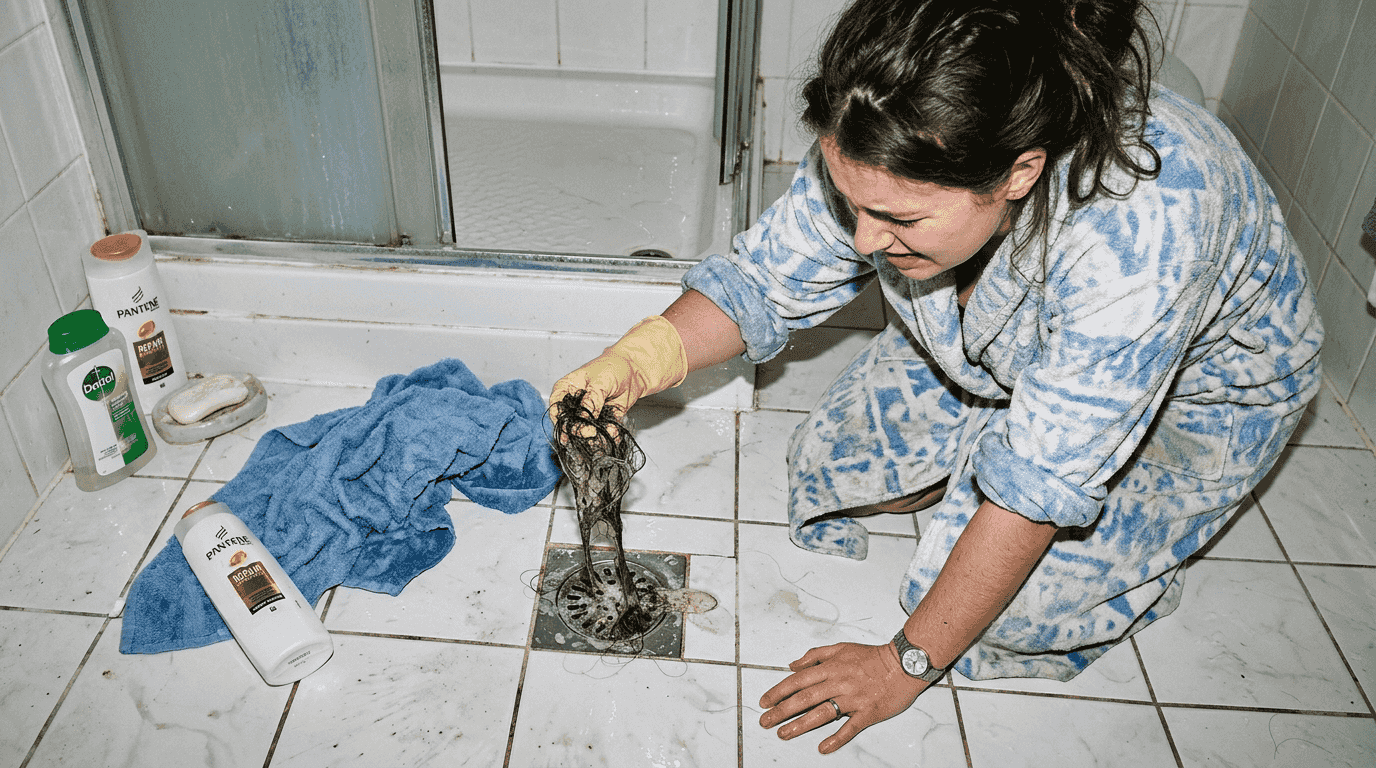
Hair clogs bathroom drains with remarkable efficiency. A single shower produces dozens of loose hairs that combine with soap residue, forming dense mats that catch additional debris. These blockages typically develop slowly, giving homeowners false confidence that their drains work fine until suddenly water pools around their feet during showers.
Tree roots infiltrate underground pipes through tiny cracks or joints, seeking moisture and nutrients. Once inside, roots expand rapidly, creating complete blockages and potentially cracking pipes. Properties with mature trees or older clay pipe systems face particular risk from root intrusion, especially during dry summers when roots aggressively seek water sources.
Recognising blockage warning signs enables prompt action:
- Water draining noticeably slower than usual from sinks, baths, or showers
- Gurgling sounds when water drains, indicating air trapped by partial blockages
- Unpleasant odours rising from drains, suggesting decomposing organic matter
- Water pooling around external gullies after rainfall
- Multiple fixtures draining slowly simultaneously, pointing to main drain issues
Pro Tip: If you notice slow drainage in multiple fixtures at once, the blockage likely affects your main drain rather than individual pipes. This situation requires professional assessment as DIY attempts may worsen the problem or damage your drainage system.
Prompt detection limits both damage and cost. A minor kitchen sink blockage cleared early costs far less than emergency callouts for sewage backing up through ground floor fixtures. Understanding blocked drains causes and prevention helps you spot problems before they escalate.
Seasonal factors also influence blockage patterns. Autumn brings leaf accumulation in external drains whilst winter freezing can crack pipes, creating new blockage points. Following tips for drain maintenance throughout the year reduces seasonal risks significantly.
Methods and tools used for effective drain unblocking
Professional methods range from manual rodding to high-pressure water jetting, each suited to different blockage types, locations, and severity levels. Understanding these techniques helps you appreciate why professional service often proves more effective and economical than repeated DIY attempts.
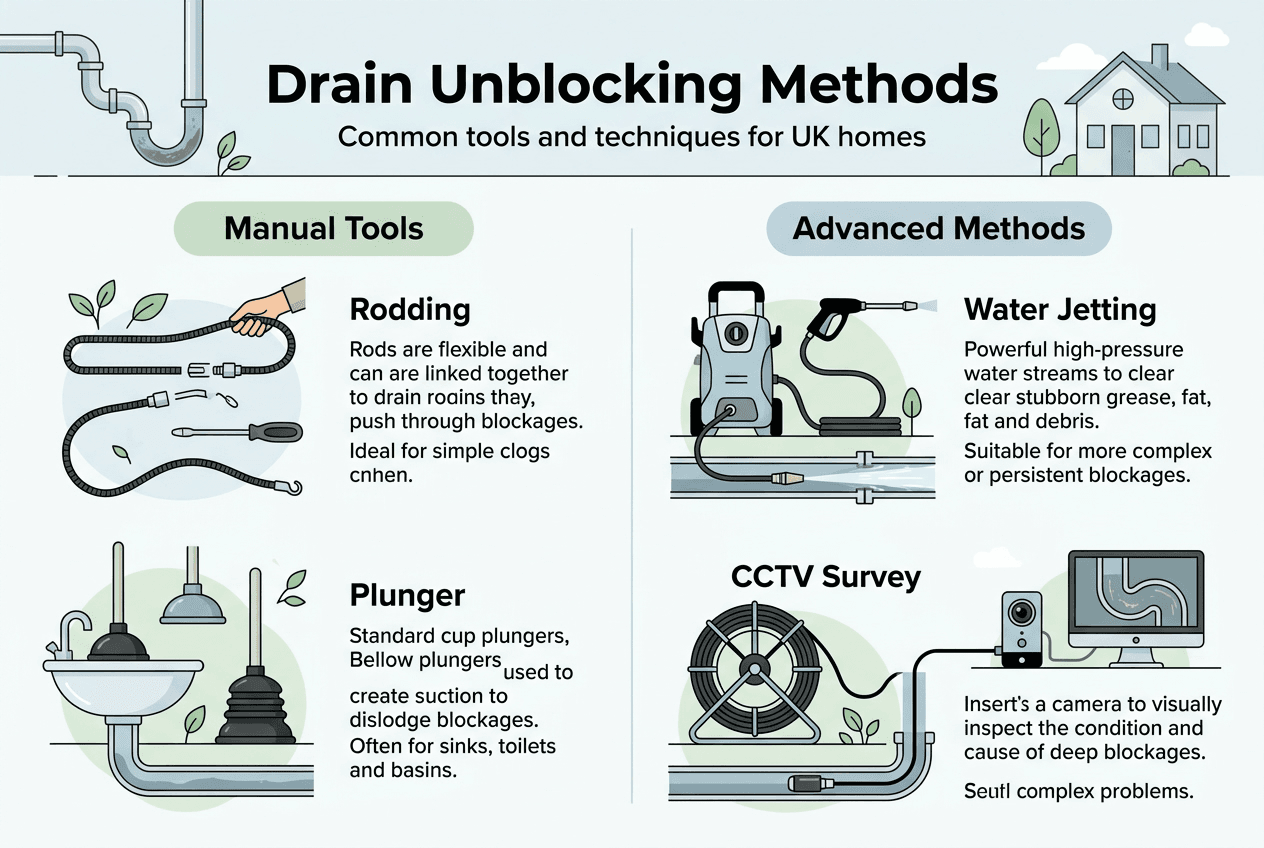
Manual rodding uses flexible steel rods pushed through pipes to break up and dislodge blockages. This traditional method excels for straightforward blockages in accessible household drains like kitchen sinks and bathroom basins. Technicians attach various heads to the rods depending on the blockage type, using augers for soft blockages and scrapers for hardened deposits. Rodding works best on blockages within 10 metres of the access point.
Chemical treatments employ caustic substances to dissolve organic blockages like hair, grease, and soap scum. Whilst readily available to homeowners, professional-grade chemicals prove more effective and require expert handling to prevent pipe damage or health hazards. Chemicals cannot clear solid obstructions like tree roots or foreign objects, limiting their application to specific blockage types.
High-pressure water jetting represents the most effective method for severe blockages and thorough pipe cleaning. Specialist equipment propels water at pressures exceeding 3,000 PSI through pipes, obliterating grease deposits, cutting through tree roots, and flushing debris completely. Jetting also cleans pipe walls, preventing rapid re-blocking. This method suits all pipe materials when operated by trained professionals.
CCTV drain surveys use waterproof cameras to diagnose blockages before treatment begins. This technology identifies blockage location, type, and severity whilst revealing underlying structural issues. Surveys prevent unnecessary excavation and ensure technicians select the most appropriate unblocking method, saving time and money.
Comparing common unblocking methods:
| Method | Best For | Limitations | Typical Cost Range |
| — | — | — |
| Manual rodding | Simple household blockages | Limited reach and power | £80 to £150 |
| Chemical treatment | Organic matter in accessible pipes | Cannot clear solid objects | £50 to £100 |
| High-pressure jetting | Severe blockages and thorough cleaning | Requires professional equipment | £150 to £300 |
| CCTV diagnosis | Locating and assessing blockages | Diagnostic only, not treatment | £100 to £200 |
Choosing the right method involves several considerations:
- Assess blockage severity through symptoms like complete stoppage versus slow drainage
- Identify the affected drain type and accessibility for equipment
- Consider pipe age and material, as older systems require gentler approaches
- Evaluate previous blockage history to address recurring problems properly
- Factor in urgency, as emergency situations may limit method options
Pro Tip: If you’ve cleared a blockage yourself but it returns within weeks, the underlying cause likely remains. Professional CCTV surveys identify root causes like pipe damage or persistent root intrusion, preventing endless cycles of temporary fixes.
Professional unblocking services combine multiple methods for comprehensive solutions. Technicians might use CCTV diagnosis to locate a blockage, high-pressure jetting to clear it, and follow-up inspection to confirm complete clearance. This systematic approach ensures lasting results.
Advanced drain unblocking techniques continue evolving with new technology and methods. Electro-mechanical cleaning, robotic cutters for root removal, and trenchless repair options now complement traditional approaches, offering solutions for previously intractable drainage problems.
Preventing blockages and maintaining healthy drains
Routine maintenance and mindful usage greatly reduce blockage likelihood, saving homeowners substantial money and inconvenience compared to reactive emergency repairs. Prevention strategies focus on controlling what enters your drains and maintaining clear flow through regular care.
Avoid pouring grease, cooking oils, or fat down kitchen drains regardless of quantity. Instead, collect cooled fats in containers for bin disposal or recycling where available. Even small amounts washed down with hot water eventually solidify and accumulate. Similarly, scrape plates thoroughly before washing and use sink strainers to catch food particles.
Bathroom drain protection requires different tactics. Install hair catchers on shower and bath drains, emptying them after each use. These inexpensive devices prevent the vast majority of hair-related blockages. Avoid flushing anything except toilet paper down toilets, as sanitary products, wet wipes, and cotton buds cause frequent blockages despite manufacturers’ claims of flushability.
Regular flushing maintains clear pipes between professional services:
- Pour boiling water down kitchen sinks weekly to melt grease deposits
- Use a mixture of hot water, bicarbonate of soda, and vinegar monthly for natural cleaning
- Flush unused drains periodically to prevent trap seals drying out
- Run hot water for 30 seconds after each sink use to clear residue
Schedule professional inspections if problems recur or you notice persistent slow drainage. Annual CCTV surveys for properties with mature trees or older drainage systems identify developing issues before they cause blockages. This proactive approach costs less than emergency repairs and prevents property damage from sewage backups.
Pro Tip: Mark your calendar for seasonal drain maintenance checks, particularly before autumn when falling leaves threaten external drains and before winter when freezing temperatures can crack vulnerable pipes. These preventative inspections catch small issues whilst they’re still easy and inexpensive to fix.
Proper landscaping prevents root intrusion into underground pipes. Plant trees and large shrubs at least 3 metres from drainage runs, choosing species with less aggressive root systems near drainage infrastructure. If you inherit mature trees near drains, consider annual root cutting treatments to prevent infiltration.
External drain maintenance includes clearing leaves and debris from gullies after storms, checking that gully grids remain secure and intact, and ensuring downpipes discharge into appropriate drainage points rather than soaking into foundations. These simple checks prevent water damage and reduce blockage risk.
Comprehensive drain maintenance tips cover both routine care and seasonal considerations specific to UK conditions. Following these guidelines dramatically reduces emergency callout likelihood whilst extending your drainage system’s lifespan.
Understanding drainage solutions for UK homes helps you make informed decisions about upgrades or improvements. Modern drainage technology offers options like non-return valves preventing sewage backflow and soakaways managing surface water more effectively.
Explore expert drain unblocking and maintenance services
Professional unblocking services tackle all blockage types safely and efficiently, combining advanced equipment, technical expertise, and comprehensive diagnostics that DIY approaches cannot match. Local Services Drainage offers expert advice and responsive solutions specifically tailored for Southern UK homes, addressing the unique drainage challenges facing properties in this region.
Whether you’re dealing with a stubborn kitchen sink blockage, recurring bathroom drain issues, or complete drainage system failure, professional intervention ensures lasting solutions rather than temporary fixes. Specialist technicians assess your entire drainage system, identifying not just immediate blockages but underlying causes that lead to repeated problems. This thorough approach saves money long term by preventing endless cycles of emergency repairs.
Preventative maintenance programmes reduce future issues and expense through scheduled inspections, routine cleaning, and early problem detection. Many homeowners discover that annual professional maintenance costs less than a single emergency callout, whilst providing peace of mind that their drainage system operates reliably. Contacting specialists ensures lasting drain health through expert care and advanced technology.
Explore the ultimate guide to drain unblocking for comprehensive information about techniques and best practices. Review available unblocking services to understand how professional support addresses your specific drainage challenges. Access practical drain maintenance tips that complement professional care with effective home maintenance routines.
Frequently asked questions
What causes drains to block most often?
Common causes include accumulation of grease and cooking fats in kitchen drains, hair combined with soap scum in bathroom drains, and tree roots infiltrating underground pipes through small cracks. Foreign objects flushed down toilets and gradual buildup of scale deposits also contribute significantly. Regular cleaning and mindful disposal habits prevent most of these blockages from developing.
How quickly should I call a professional for drain unblocking?
Call a professional immediately if water drains very slowly, foul odours emerge from multiple drains, or sewage backs up through ground floor fixtures. These symptoms indicate serious blockages requiring expert intervention. Delaying professional help often causes more severe damage, including sewage flooding and structural issues, resulting in substantially higher repair costs than prompt professional unblocking.
Can I unblock drains myself safely?
Small blockages in accessible drains might be cleared safely using plungers, manual augers, or natural cleaning solutions like bicarbonate of soda and vinegar. However, chemical drain cleaners can damage pipes and harm your health if misused. For blockages beyond immediate fixture traps, recurring problems, or complete stoppages, professional service proves safest and most effective, preventing pipe damage from inappropriate DIY methods.
What maintenance steps best prevent drain blockages?
Avoid pouring grease down drains, install and regularly empty hair catchers, flush drains weekly with hot water, and scrape plates before washing. Use sink strainers to catch food particles and never flush anything except toilet paper down toilets. Schedule professional inspections annually if you have mature trees nearby or notice recurring slow drainage, as early detection prevents expensive emergency repairs and property damage.