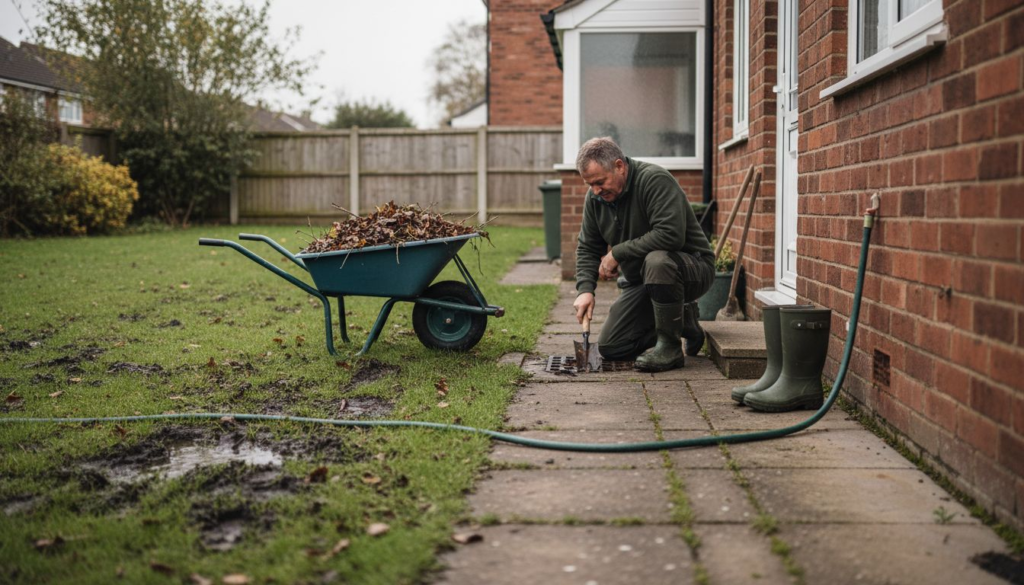
Flooding and blocked drains can cause serious headaches for any homeowner in the United Kingdom. When water pools on your drive or the smell of damp hangs in the air, it often points to hidden drain issues that can quickly spiral out of control if left unchecked. Knowing exactly how to tackle these problems gives you a real advantage—and can spare you the stress of unexpected water damage or expensive repairs.
You are about to discover practical solutions that actually work for tackling blocked gullies, stubborn drain clogs, invasive tree roots, and more. From simple cleaning techniques to advanced repair methods, these proven approaches are based on real recommendations used by drainage professionals and local authorities.
By following this guidance, you will get clear steps to protect your property’s drains and keep everything flowing smoothly. The next sections reveal trusted methods and smart preventative measures every homeowner needs to know.
Table of Contents
- 1. Simple Gully Clearing for Fast Blockage Removal
- 2. High-Pressure Water Jetting for Stubborn Drains
- 3. CCTV Drain Surveys to Diagnose Hidden Issues
- 4. No-Dig Drain Relining for Lasting Repairs
- 5. Root Cutting Solutions for Tree Root Intrusions
- 6. Drain Excavation for Serious System Damage
- 7. New Soakaway Installations to Prevent Flooding
Quick Summary
| Takeaway | Explanation |
|---|---|
| 1. Inspect gully drains regularly | Homeowners should check gully drains twice a year to prevent blockages that lead to flooding. |
| 2. Schedule annual professional maintenance | Consider hiring experts for thorough inspections and maintenance to ensure optimal drainage system performance. |
| 3. Utilise high-pressure water jetting | This method effectively removes stubborn blockages and is recommended for preventive maintenance every 18-24 months. |
| 4. Invest in CCTV drain surveys | Conduct surveys every 3-5 years for early detection of hidden drainage issues to avoid costly repairs. |
| 5. Consider no-dig drain relining | This innovative repair method minimizes disruption while restoring pipe integrity and extending the drainage system’s lifespan. |
1. Simple Gully Clearing for Fast Blockage Removal
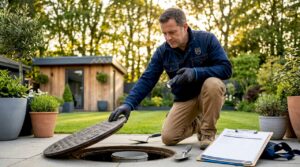
Gully drains play a crucial role in managing surface water and preventing flooding in residential properties across the United Kingdom. Understanding how to effectively clear these drainage points can save homeowners significant time and prevent potential water damage.
During routine maintenance, gully clearing involves several key steps to ensure optimal drainage performance. Local authorities often recommend a systematic approach to gully drain maintenance, which typically includes:
- Removing protective grates carefully
- Extracting accumulated debris and sediment
- Using high-pressure water jetting to dislodge persistent blockages
- Checking drain connections for potential structural issues
The process requires precision and understanding of drainage system dynamics. Professional drainage teams utilise specialised equipment to suction out silt, leaves, and other organic materials that can impede water flow. This methodical approach prevents potential flooding and maintains the integrity of your property’s drainage infrastructure.
Proactive gully maintenance can prevent costly water damage and protect your home’s foundational structure.
Homeowners should aim to inspect their gully drains at least twice per year, especially before the rainy seasons. Look for signs of blockage such as slow water drainage, visible debris accumulation, or standing water around the gully area.
Expert tip: Consider scheduling professional gully clearing services annually to ensure comprehensive drainage system health and prevent unexpected blockages.
2. High-Pressure Water Jetting for Stubborn Drains
When traditional drainage cleaning methods fail, high-pressure water jetting emerges as a powerful solution for removing even the most persistent blockages in residential drainage systems. This advanced technique uses concentrated water streams to blast away accumulated debris, grease, and organic materials from pipe interiors.
Professional drainage specialists employ drain jetting techniques that can effectively address multiple types of drainage challenges. The process involves several critical components:
- Generating water pressures up to 275 bar
- Penetrating deep into pipe networks
- Clearing accumulated sediment and mineral deposits
- Removing tree root intrusions
- Cleaning pipe walls without causing structural damage
High-pressure water jetting offers significant advantages over traditional mechanical rodding or chemical treatments. The powerful water streams can navigate complex pipe geometries, reaching areas that conventional methods cannot access. By using targeted water pressures, technicians can remove stubborn blockages with minimal disruption to your property’s drainage infrastructure.
Professional water jetting provides a comprehensive cleaning solution that goes beyond simple blockage removal.
Most drainage professionals recommend water jetting as a preventative maintenance technique. Regular jetting can help homeowners avoid costly repairs by identifying potential issues before they escalate into major drainage problems.
Expert tip: Consider scheduling professional water jetting services every 18-24 months to maintain optimal drainage system performance and prevent unexpected blockages.
3. CCTV Drain Surveys to Diagnose Hidden Issues
Modern drainage maintenance has been revolutionised by advanced diagnostic technologies that allow homeowners to explore underground pipe networks without invasive excavation. CCTV drain surveys provide an unprecedented view into the hidden world of residential drainage systems.
These sophisticated inspections utilise waterproof, high-definition cameras that can be precisely manoeuvred through drainage networks to capture detailed visual information. The technology offers numerous critical advantages:
- Non-invasive inspection method
- Pinpoint accuracy in detecting structural issues
- Real-time video documentation
- Minimal disruption to property
- Cost-effective diagnostic approach
Underground drainage challenges often remain invisible until significant damage occurs. By deploying professional CCTV survey equipment, homeowners can identify potential problems such as:
- Hairline cracks in pipework
- Root intrusion points
- Pipe misalignments
- Accumulated debris
- Potential structural weaknesses
Professional CCTV drain surveys transform mysterious underground networks into transparent, mappable systems.
Most drainage experts recommend conducting comprehensive CCTV surveys every three to five years or before significant property transactions. These inspections provide invaluable insight into drainage health and can prevent costly emergency repairs by detecting issues early.
Expert tip: Request a comprehensive digital report with your CCTV drain survey, which will provide detailed visual evidence and precise location mapping of any identified drainage issues.
4. No-Dig Drain Relining for Lasting Repairs
Homeowners facing drainage challenges now have a revolutionary solution that eliminates the need for disruptive and costly excavation work. No-dig drain relining represents a modern approach to repairing underground pipe networks with minimal surface disturbance.
Traditional drainage repairs often involved extensive digging, property damage, and significant expense. Drain relining techniques have transformed this process by offering a sophisticated, non-invasive alternative that restores pipe integrity without massive reconstruction.
The no-dig relining process involves several sophisticated steps:
- Conducting thorough CCTV pipe inspections
- Cleaning the existing pipe network
- Inserting a flexible resin-saturated liner
- Expanding and curing the liner using specialised equipment
- Creating a seamless, durable new pipe interior
Key benefits of no-dig drain relining include:
- Minimal property disruption
- Significantly reduced repair times
- Lower overall restoration costs
- Enhanced pipe structural integrity
- Extended drainage system lifespan
No-dig drain relining provides a seamless solution that effectively repairs pipes without destroying your landscape or property infrastructure.
Pipe rehabilitation through relining can address multiple issues including cracks, root intrusion, and structural weaknesses. The technique creates a robust new pipe within the existing infrastructure, effectively solving drainage problems with remarkable efficiency.
Expert tip: Request professional documentation and warranty details when considering no-dig drain relining to ensure comprehensive coverage and long-term protection for your drainage system.
5. Root Cutting Solutions for Tree Root Intrusions
Tree roots represent a silent but destructive threat to underground drainage systems in residential properties. Underground pipe networks can become compromised when aggressive root systems seek moisture and nutrients, causing significant structural damage.
Professional drainage experts employ sophisticated root cutting techniques to address these challenging intrusions. The process involves multiple strategic approaches designed to remove existing root growth and prevent future infiltration.
Key strategies for managing root intrusions include:
- High-pressure water jetting
- Mechanical root cutting equipment
- Chemical root inhibitor treatments
- Advanced CCTV diagnostic assessments
- Precise pipe relining technologies
The potential consequences of untreated root intrusions are substantial:
- Pipe wall fractures
- Complete drainage blockages
- Reduced water flow capacity
- Potential structural infrastructure damage
- Expensive emergency repair requirements
Root intrusions transform drainage systems from functional networks into potentially catastrophic infrastructure vulnerabilities.
Proactive root management requires a comprehensive approach that combines immediate intervention with long-term preventative measures. Drainage professionals can map root pathways, identify vulnerable pipe sections, and implement targeted solutions.
Expert tip: Request a comprehensive CCTV survey annually to detect and address potential root intrusion points before they escalate into major drainage complications.
6. Drain Excavation for Serious System Damage
When drainage problems escalate beyond simple repairs, professional drain excavation becomes the ultimate solution for comprehensive system restoration. Serious drainage complications often require invasive interventions to fully address underlying structural issues.
The process of drain excavation involves carefully planned drain system restoration that goes far beyond surface-level repairs. Professional teams meticulously analyse the entire drainage infrastructure to determine the most effective intervention strategy.
Critical scenarios necessitating full excavation include:
- Complete pipe collapse
- Extensive root system intrusion
- Severe structural pipe damage
- Underground pipe network failure
- Irreparable pipe misalignments
Key considerations during drain excavation involve:
- Comprehensive site risk assessment
- Precise underground utility mapping
- Careful soil and structural analysis
- Strategic excavation planning
- Minimal property landscape disruption
Professional drain excavation transforms catastrophic underground infrastructure challenges into fully restored drainage systems.
Excavation safety protocols are paramount during these complex operations. Drainage professionals must implement rigorous safety measures to protect workers, surrounding infrastructure, and the property’s structural integrity.
Expert tip: Always request comprehensive photographic documentation and post-excavation repair guarantees to ensure complete transparency and long-term drainage system reliability.
7. New Soakaway Installations to Prevent Flooding
Soakaways represent a critical drainage infrastructure solution for managing surface water and mitigating flood risks in residential properties across the United Kingdom. These underground drainage systems provide an essential mechanism for safely dispersing rainwater into surrounding ground materials.
Modern soakaway installation techniques have evolved to meet stringent building regulations and environmental standards. Homeowners can now implement sophisticated water management strategies that protect their properties from potential water damage.
Key components of effective soakaway design include:
- Strategic location selection
- Appropriate ground percolation assessment
- Proper drainage aggregate selection
- Adequate drainage system dimensioning
- Compliance with local building regulations
Important considerations for soakaway implementation:
- Minimum distance from building foundations
- Ground water table levels
- Soil composition and drainage capacity
- Surface water volume management
- Long-term environmental impact
Intelligent soakaway design transforms potential flooding risks into efficient water management solutions.
Drainage infrastructure planning requires careful analysis of local environmental conditions. Professional drainage experts can help homeowners design systems that effectively manage surface water while meeting all regulatory requirements.
Expert tip: Conduct a comprehensive ground percolation test before installing a soakaway to ensure optimal performance and compliance with local drainage regulations.
Below is a comprehensive table summarising the core strategies, benefits, and methodologies discussed in the article regarding residential drainage maintenance solutions.
| Topic | Process/Methodology | Key Outcome/Benefit |
|---|---|---|
| Gully Clearing | Remove grates, clean debris, and use high-pressure jetting. | Prevents flooding and ensures optimal drainage system efficiency. |
| High-Pressure Water Jetting | Utilise water streams up to 275 bar to clear blockages. | Effectively removes stubborn obstructions and enhances pipe functionality. |
| CCTV Drain Surveys | Deploy cameras for internal pipe inspection. | Detects structural issues non-invasively and enables preventative maintenance planning. |
| No-Dig Drain Relining | Insert resin lining to repair pipes without excavation. | Restores pipe integrity with minimal disruption and cost-effectiveness. |
| Root Cutting Solutions | Combine jetting, mechanical cutting, and inhibitors to remove tree roots. | Addresses root intrusion challenges and enhances pipe durability. |
| Drain Excavation | Conduct full excavation for irreparable damage resolution. | Restores functionality in cases of pipe collapse or extensive damage. |
| Soakaway Installations | Design and install ground water-dispersing systems. | Mitigates flood risks by managing rainwater efficiently, adhering to building regulations. |
Upgrade Your UK Home Drainage with Trusted Expert Solutions
The article highlights common drainage challenges such as stubborn blockages, hidden pipe damage, root intrusions, and flooding risks that can threaten your property’s safety and comfort. If you want to protect your home from costly repairs and ensure your drainage system runs smoothly, it is vital to act with reliable solutions that incorporate advanced methods like CCTV drain surveys, no-dig drain relining, and professional root cutting.
At Local Services Drainage, we specialise in these exact issues for homes across Southern England and beyond. Our expert team offers dependable emergency services and long-term repair guarantees, utilising the latest technology to detect and resolve problems quickly and effectively. From high-pressure water jetting to new soakaway installations, we provide comprehensive drainage care tailored to your needs.
Don’t wait for drainage troubles to worsen—take control of your home’s drainage health today. Visit our professional drainage services page to book a thorough inspection or request a personalised quote. Trust the experts who combine experience, advanced tech, and a customer-first approach to keep your drains clear and your property protected.
Frequently Asked Questions
What is gully clearing and how often should I do it?
Gully clearing involves removing debris and sediment from gully drains to ensure optimal drainage performance. Homeowners should inspect and clear their gully drains at least twice a year, especially before the rainy seasons, to prevent blockages and potential flooding.
How does high-pressure water jetting work and when should I use it?
High-pressure water jetting uses concentrated water streams to clear stubborn blockages in drainage systems. Consider using this method every 18-24 months as a preventative maintenance measure to maintain optimal drainage performance and avoid costly repairs.
What are CCTV drain surveys and why are they important?
CCTV drain surveys utilise high-definition cameras to inspect underground drainage systems for structural issues. Conduct these surveys every three to five years to detect hidden problems early, preventing expensive emergency repairs and ensuring your drainage system’s health.
How does no-dig drain relining work and what are its benefits?
No-dig drain relining is a method of repairing pipes without excavation by inserting a resin-saturated liner into existing pipes. This approach minimises disruption, reduces repair times, and enhances the structural integrity of your drainage system, offering a long-lasting solution.
What should I do if tree roots are invading my drainage system?
If tree roots intrude into your drainage system, use professional root cutting techniques to remove the existing roots and prevent future growth. Schedule an annual CCTV survey to assess root intrusion points and address potential issues before they worsen.
When is drain excavation necessary?
Drain excavation becomes necessary in severe cases of drainage problems, such as complete pipe collapse or extensive structural damage. Engage a professional drainage service to conduct a thorough assessment and execute careful excavation to restore your drainage system effectively.