Blocked drains can quickly turn from an inconvenience into a costly disaster, especially when simple issues are ignored. With nearly 280,000 sewer and drain blockages occurring annually in England and Wales, staying ahead of drainage problems is more important than ever. You want your home free from slow sinks, unpleasant smells, and unexpected flooding, but figuring out where to start can be overwhelming.
This guide brings you practical steps that make a real difference in preventing household drainage troubles. Each insight is easy to apply and backed by proven techniques, so you can safeguard your home with confidence. Get ready to discover straightforward strategies that protect your plumbing, save you money, and keep your drains flowing smoothly year-round.
Table of Contents
- Inspect Drains For Visible Blockages Regularly
- Clear Debris From Gullys And Grates
- Use Sink Strainers To Prevent Clogs
- Flush Drains With Hot Water Monthly
- Check For Slow Draining Or Unusual Smells
- Schedule Routine Cctv Drain Surveys
- Know When To Call A Professional Drain Service
Quick Summary
| Takeaway | Explanation |
|---|---|
| 1. Inspect Drains Regularly | Conduct visual checks to spot blockages early, preventing costly repairs. |
| 2. Clear Gully and Grate Debris | Regularly remove leaves and waste to maintain efficient drainage and avoid flooding. |
| 3. Use Sink Strainers | Implement strainers in sinks to capture food and hair, enhancing plumbing health. |
| 4. Flush Drains with Hot Water Monthly | Pour hot water monthly to clear buildup and maintain optimal water flow in pipes. |
| 5. Schedule CCTV Drain Surveys | Perform routine surveys to detect hidden issues before they escalate into major problems. |
1. Inspect Drains for Visible Blockages Regularly
Drain blockages are a persistent challenge for homeowners across the United Kingdom. Understanding how to spot potential issues before they escalate can save you significant time and money. Regular drain inspections help identify early warning signs of potential blockages and prevent costly repairs.
In England and Wales alone, nearly 280,000 sewer and drain blockages occur annually – a staggering number that underscores the importance of proactive maintenance.
What should you look for during a drain inspection? Here are key indicators of potential blockages:
- Slow drainage in sinks or showers
- Gurgling sounds from plugholes
- Unpleasant odours emerging from drains
- Water backing up or pooling around drain entrances
- Visible debris or discolouration in drainage areas
When inspecting, pay close attention to areas where food waste, grease, and foreign objects frequently accumulate. Kitchen and bathroom drains are particularly susceptible to blockages.
Regular visual inspections can prevent up to 75% of potential drainage emergencies before they become serious problems.
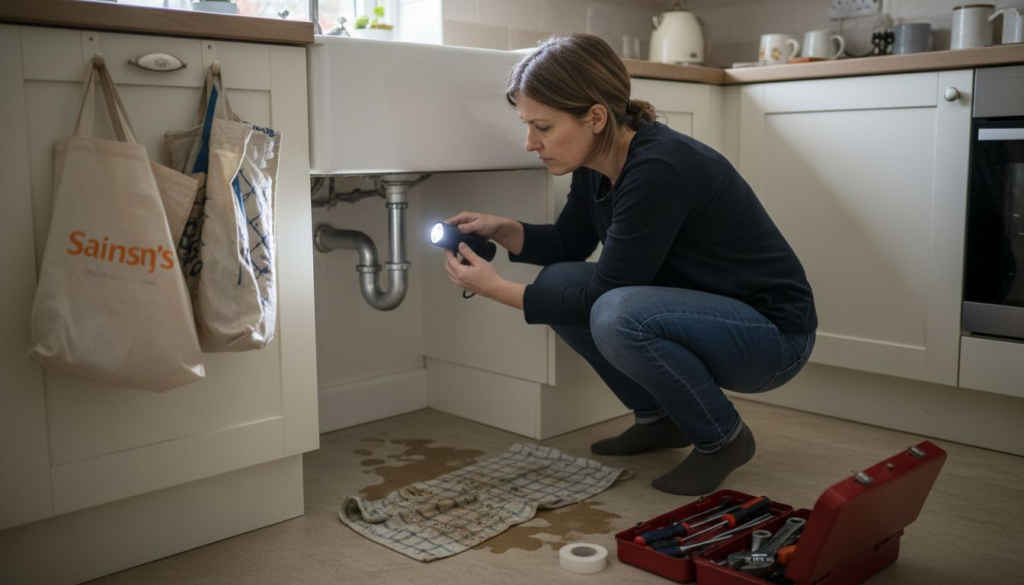
Don’t just rely on visual checks. Consider using a torch to illuminate drain openings and examine pipe interiors for early signs of potential issues. Look for subtle changes in water flow or unusual residue build-up.
Pro tip: Keep a log of your drain inspections to track any recurring patterns or developing issues in your home’s plumbing system.
2. Clear Debris From Gullys and Grates
Clearing debris from gullies and grates is a critical aspect of maintaining effective drainage systems in residential properties. These small but significant components play a crucial role in managing surface water and preventing potential flooding or water damage.
Land management and surface water control depend heavily on keeping these drainage points clear and functional. Debris accumulation can quickly compromise water flow and lead to more serious drainage problems.
Key items to remove during gully and grate maintenance include:
- Leaves and organic matter
- Small branches and twigs
- Accumulated sediment and dirt
- Plastic and synthetic waste
- Moss and algae growth
When clearing these areas, use protective gloves and have a bucket or waste bag ready to collect removed materials. Start by carefully lifting the grate or accessing the gully opening, then systematically remove visible debris using a garden trowel or specialised drainage tool.
Regular gully maintenance prevents potential water infiltration issues and protects your property’s drainage infrastructure.
Consistent cleaning helps prevent blockages that could lead to more expensive repairs. For areas with significant vegetation or frequent debris accumulation, consider implementing a quarterly cleaning schedule.
Pro tip: Install mesh grate covers to reduce debris build-up and make future maintenance significantly easier.
3. Use Sink Strainers to Prevent Clogs
Sink strainers are small but mighty tools in preventing drainage problems in your home. These simple mesh or metal filters act as a first line of defence against potential plumbing blockages.
Understanding sink strainer functionality is crucial for maintaining clean and efficient drainage systems. By capturing solid debris before it enters your pipes, these devices protect your plumbing from unnecessary strain and potential costly repairs.
Types of sink strainers include:
- Stainless steel mesh strainers
- Plastic basket strainers
- Silicone flexible strainers
- Perforated metal strainers
- Combination design strainers
When selecting a sink strainer, consider the specific needs of different areas in your home. Kitchen sink strainers should capture food particles, while bathroom strainers focus on preventing hair and soap residue from blocking pipes.
A simple sink strainer can save you hundreds of pounds in potential plumbing repair costs.
Installation is straightforward. Most strainers simply drop into the sink’s plughole and can be easily removed for cleaning. Regular maintenance involves rinsing the strainer after each use and periodically removing accumulated debris.
Pro tip: Clean your sink strainers weekly and replace them annually to maintain optimal drainage performance.
4. Flush Drains With Hot Water Monthly
Regular hot water flushing is a simple yet powerful technique for maintaining clean and efficient household drains. This monthly maintenance ritual helps prevent potential blockages and keeps your plumbing system running smoothly.
Water heater maintenance involves more than just checking temperature settings. Flushing with hot water helps remove accumulated sediment that can cause long-term damage to your pipes and drainage system.
Benefits of monthly hot water flushing include:
- Prevents mineral buildup in pipes
- Reduces potential blockage risks
- Improves overall drainage system performance
- Extends the lifespan of plumbing infrastructure
- Helps maintain water flow efficiency
To flush your drains effectively, boil a full kettle of water and carefully pour it directly down each drain in your home. Focus on kitchen and bathroom sinks where grease and soap residue tend to accumulate most rapidly.
Hot water acts like a natural solvent, breaking down potential blockage-forming substances before they become problematic.
The process takes less than ten minutes and can be completed with minimal equipment. For best results, pour the hot water slowly to ensure maximum contact with pipe surfaces.
Pro tip: Add a tablespoon of bicarbonate of soda before pouring hot water to enhance the cleaning process and neutralise odours.
5. Check for Slow Draining or Unusual Smells
Identifying potential drainage problems early can save homeowners significant stress and expense. Unusual odours and slow drainage are critical warning signs that should never be ignored.
Unexpected home odours can indicate serious issues ranging from minor plumbing blockages to more complex sewage system problems. These sensory indicators provide an essential early warning system for your home’s drainage health.
Key signs to watch for include:
- Water draining noticeably slower than usual
- Gurgling sounds from plugholes
- Sulfuric or musty odours near drains
- Standing water around drainage areas
- Unexplained damp patches near plumbing
Some smells carry specific meanings. A rotten egg smell might indicate hydrogen sulfide from bacterial growth, while a musty odour could suggest potential mould development in your drainage system.
Early detection of drainage issues can prevent costly repairs and potential structural damage to your property.
If you consistently notice these warning signs, it is crucial to investigate promptly. While some issues can be resolved with basic maintenance, persistent problems may require professional drainage inspection.
Pro tip: Keep a maintenance log documenting any unusual drainage behaviours to help identify patterns and assist professional diagnostics.
6. Schedule Routine CCTV Drain Surveys
CCTV drain surveys represent a cutting-edge technology that allows homeowners to understand their drainage infrastructure without invasive excavation. These sophisticated camera inspections provide a comprehensive view of underground pipe conditions.
Modern CCTV drain camera technologies) enable detailed, non-destructive assessments of drainage systems. By inserting a specialised camera through drainage networks, professionals can identify potential issues before they become expensive problems.
Key reasons to schedule routine CCTV drain surveys include:
- Detecting hidden pipe damages
- Identifying potential root ingress
- Mapping drainage system layouts
- Checking pipe structural integrity
- Locating potential blockage sources
Most drainage experts recommend scheduling these surveys every 18-24 months for residential properties. Older homes or properties with known drainage challenges might require more frequent inspections.
A single CCTV drain survey can prevent thousands of pounds in potential repair costs.
During a typical survey, technicians will provide a detailed report with video evidence, pinpointing exact locations of any potential issues. This documentation can be invaluable for future maintenance planning.
Pro tip: Request a digital copy of your CCTV survey report and maintain a comprehensive file for future reference and property maintenance tracking.
7. Know When to Call a Professional Drain Service
Navigating drainage issues can be challenging for homeowners. Understanding when a problem requires professional intervention can save you significant time, money, and potential property damage.
Emergency drain services are critical for addressing complex drainage challenges that exceed DIY capabilities. Professional intervention becomes necessary when home maintenance techniques prove insufficient.
Critical signs indicating the need for professional drain services include:
- Persistent blockages not cleared by plunging
- Sewage or wastewater backing up into sinks or toilets
- Unexplained foul odours from drainage systems
- Multiple simultaneous drain blockages
- Visible pipe damage or corrosion
- Water pooling around drainage areas
- Unusual gurgling sounds from plugholes
These symptoms suggest potential underlying issues that require specialised diagnostic tools and professional expertise. Attempting to resolve complex drainage problems independently could lead to more extensive and expensive damage.
Professional drainage experts can diagnose and resolve issues quickly and effectively, preventing long-term structural damage.
Qualified drainage professionals use advanced technologies like CCTV surveys and specialised equipment to accurately identify and resolve complex drainage challenges.
Pro tip: Keep a detailed record of previous drainage issues and maintenance to provide comprehensive context when consulting professional drain services.
Below is a comprehensive table summarising the main strategies and recommendations discussed throughout the article concerning home drainage maintenance and problem prevention.
| Topic | Key Details | Benefits |
|---|---|---|
| Inspect Drains Regularly | Regularly check for recognisable blockage warning signs such as slow drainage, unusual sounds, and unpleasant odours. | Helps prevent extensive blockages and costly repairs. |
| Clear Gullies and Grates | Remove trapped debris such as leaves, dirt, and plastic waste from drainage points systematically. | Maintains water flow efficiency and prevents flooding risks. |
| Use Sink Strainers | Install strainers in sinks to filter food particles, hair, and other debris before they enter the pipes. | Reduces blockages and protects plumbing infrastructure. |
| Flush Drains Monthly | Pour boiling water into drains to dissolve deposits and improve water flow. | Prevents mineral build-up and enhances drainage performance. |
| Address Signs of Issues | Respond to unusual smells, slow drainage, or water pooling promptly to mitigate developing problems. | Avoids progressive damage and expensive repairs. |
| Conduct CCTV Surveys | Arrange professional camera inspections every 18-24 months to assess pipe conditions proactively. | Identifies hidden damages and future risks effectively. |
| Seek Professional Assistance | Engage specialists for issues beyond DIY measures, such as persistent odours or simultaneous blockages. | Ensures effective diagnosis and resolution of complex problems. |
Protect Your Home with Expert Drain Maintenance Support
Drain problems like blockages, unpleasant odours, slow drainage, and hidden pipe damage can cause real stress and costly repairs. This article highlights key actions such as regular inspections, clearing gullies, using sink strainers, and scheduling professional CCTV surveys to keep your drainage system healthy and efficient. But when DIY steps are not enough, professional expertise becomes essential.
Local Services Drainage specialises in comprehensive drainage solutions across Southern United Kingdom. From emergency drain unblocking and long-term repairs to advanced CCTV drain surveys and no-dig relining techniques, our reliable service ensures your property stays protected. We understand the urgency and complexity of drainage issues and are ready to respond quickly with guaranteed results.
Don’t wait until minor drain troubles escalate into expensive damage. Visit Local Services Drainage now to book a professional inspection or emergency service. Secure your drainage system with trusted experts and enjoy peace of mind today. For quick access to our full range of services, explore our drain unblocking and repairs and discover how we can keep your drains flowing free.
Frequently Asked Questions
What are the signs of potential blockages in my drains?
Identifying potential blockages early involves watching for slow drainage, gurgling sounds from plugholes, and unpleasant odours emanating from drains. Regularly check your sinks and toilets for any unusual water behaviour and address issues immediately to prevent escalation.
How often should I inspect my drains for maintenance?
It’s advisable to conduct drain inspections at least once every month. This involves checking for visible blockages and noting any slow drainage or unusual smells, which can help prevent larger issues in the future.
What can I do to keep my gullies and grates clear of debris?
To maintain clear gullies and grates, regularly remove leaves, dirt, and any other debris to ensure proper water flow. Aim to clear these areas at least once a month, especially during autumn when leaf fall is significant.
How can sink strainers help prevent drain clogs?
Using sink strainers can effectively capture food particles and hair before they enter your plumbing, significantly reducing the risk of clogs. Make sure to clean your strainers weekly to maintain their effectiveness in protecting your drains.
When should I consider scheduling a CCTV drain survey?
Consider scheduling a CCTV drain survey every 18-24 months to assess the condition of your drainage system. This proactive step can help identify hidden issues and avoid costly repairs in the future.
What should I do if I notice persistent blockages?
If you encounter persistent blockages that cannot be cleared with basic maintenance techniques, it’s crucial to call a professional drain service. Document the issues you’ve experienced to provide context for the professionals, which can help them diagnose the problem effectively.