Blocked drains are more than a minor inconvenience. They disrupt daily routines, create unpleasant odours, and often lead to emergency call-outs that cost hundreds of pounds. Many drainage problems stem from a lack of clear, actionable maintenance tailored to homes across southern UK regions. This guide delivers a practical drain maintenance routine that prevents blockages, extends system lifespan, and saves you money by reducing the need for costly reactive repairs.
Table of Contents
- What You Need Before Starting Drain Maintenance
- Step-By-Step Practical Drain Maintenance Routine
- When And Why To Hire A Professional Drainage Service
- Common Mistakes And Troubleshooting Tips
- Expected Results And Maintenance Frequency For Optimal Drain Health
- Keep Your Drains Running Smoothly With Local Expert Help
- Frequently Asked Questions
Key takeaways
| Point | Details |
|---|---|
| Routine drain checks | Six-monthly inspections cut emergency call-outs by 60% |
| Monthly enzyme cleaners | Reduce slow drains by 25% through organic matter breakdown |
| Quarterly outdoor gully clearing | Prevents flooding especially before wet seasons |
| Professional CCTV inspections | Detect hidden damage and improve early fixes by 40% |
What you need before starting drain maintenance
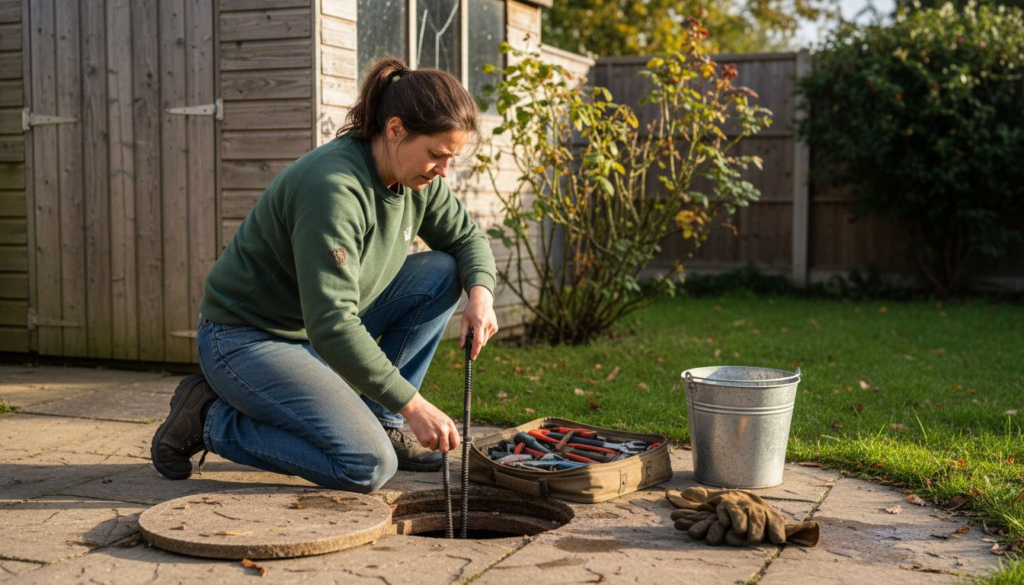
Before tackling any drain maintenance, gather the right tools and safety equipment. You need drain rods for manual clearing, heavy-duty rubber gloves, protective eyewear, and enzyme-based cleaners. Understanding your home’s drainage layout is equally important. Most southern UK properties feature a mix of modern PVC and older clay pipes connecting internal drains to external inspection chambers and gully traps. Knowing where these access points sit helps you target maintenance efficiently.
Safety must come first. Failure to use protective gloves and eye protection is linked to a 35% higher rate of minor injuries during home drain cleaning. Always wear gloves to protect against bacteria and sharp debris. Eye protection shields you from splashes when using cleaners or dislodging blockages. Even enzyme-based products require careful handling, so read labels and avoid contact with skin or eyes.
Essential tools and materials
- Drain rods with various attachments for manual clearing
- Heavy-duty rubber gloves and safety goggles
- Enzyme-based drain cleaners for monthly treatments
- Bucket and hose for flushing and rinsing
- Torch for inspecting dark chambers and pipes
Pro Tip: Keep a home drainage inspection guide handy to map your system’s access points. This saves time when issues arise and helps you explain problems clearly to professionals if needed.
Understanding your drainage system
Southern UK homes typically have internal waste pipes leading to external inspection chambers. These chambers allow access for maintenance and connect to the main sewer. Gully traps sit outside near kitchen or utility room waste outlets, catching debris before it enters the main system. Older properties may feature clay pipes that require gentler cleaning methods to avoid damage.
| Component | Purpose | Maintenance frequency |
|---|---|---|
| Internal drains | Carry waste from sinks, toilets, baths | Monthly enzyme treatment |
| Inspection chambers | Access points for clearing blockages | Six-monthly checks |
| Gully traps | Catch debris before main system | Quarterly clearing |
| Main sewer connection | Final drainage route | Professional inspection every 1-2 years |
Step-by-step practical drain maintenance routine
A consistent maintenance routine keeps drains flowing freely and prevents blockages before they escalate. Start by fitting drain strainers over all sink and bath outlets. These inexpensive mesh screens catch hair, food particles, and soap residue before they enter pipes. Empty strainers weekly to maintain effectiveness.
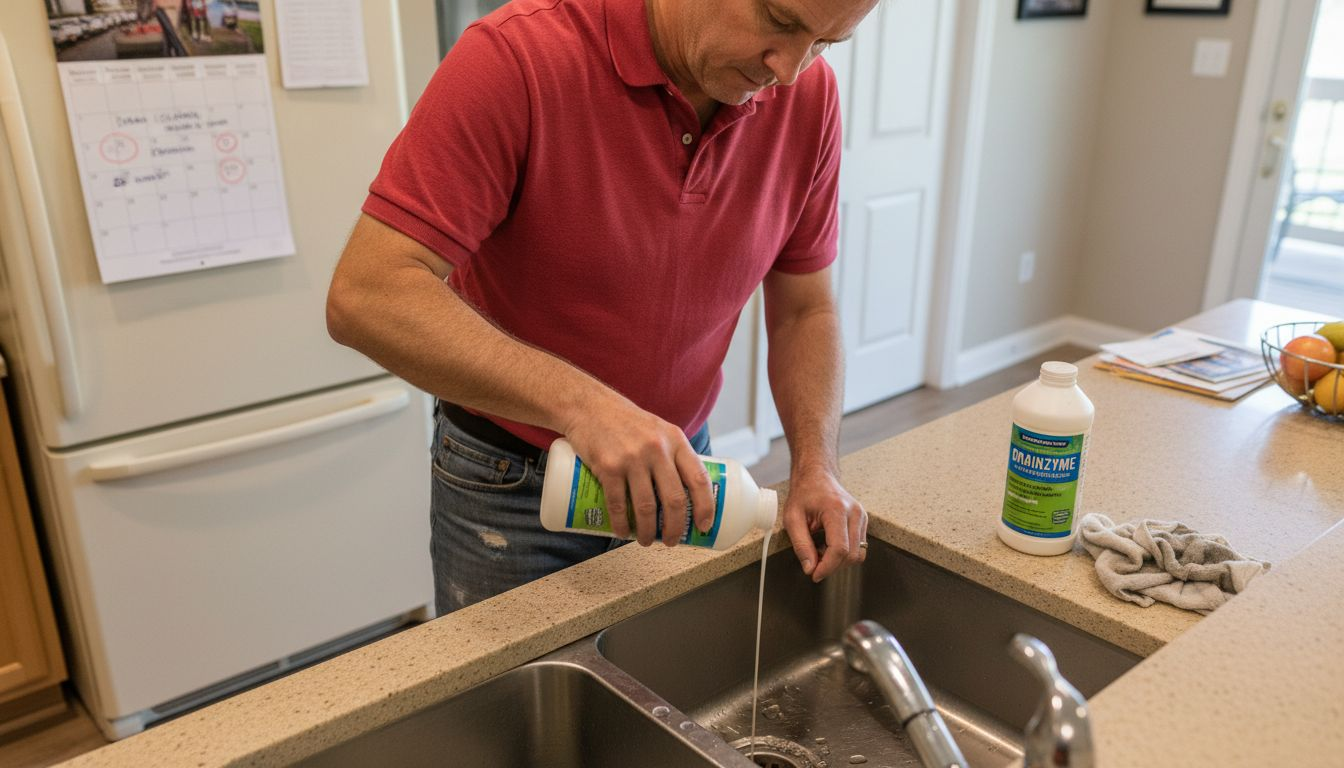
Every month, treat internal drains with enzyme-based cleaners. These biological formulas break down organic matter without damaging pipes. Pour the recommended dose down each drain in the evening, allowing it to work overnight without water flow. This monthly ritual keeps pipes clear and reduces the buildup that causes slow drainage.
Quarterly outdoor maintenance
Every three months, especially before autumn and winter wet seasons, clear your outdoor gully traps. Remove the grating and scoop out accumulated leaves, silt, and debris using gloved hands or a small trowel. Flush the trap thoroughly with a hose to wash away remaining residue. This simple step prevents surface water flooding during heavy rain.
Inspect external inspection chambers at the same time. Lift the cover carefully and check for standing water or visible blockages. If water drains slowly or smells foul, use drain rods to clear the pipe section between chambers. Work the rods gently in a clockwise motion to dislodge obstructions without damaging pipe walls.
Monthly indoor drain care
- Fit and clean drain strainers on all outlets weekly
- Pour enzyme cleaner down each drain monthly in the evening
- Run hot water for two minutes after enzyme treatment in the morning
- Check under sinks for leaks or slow drainage signs
- Wipe overflow outlets to prevent bacterial buildup
Pro Tip: Schedule maintenance on the same weekend each quarter. Setting a phone reminder ensures you never miss a session. Most essential drain maintenance steps take just 30 to 60 minutes once you establish a rhythm.
When and why to hire a professional drainage service
DIY maintenance handles routine upkeep effectively, but certain situations demand professional expertise. Persistent blockages that resist manual clearing, foul odours that linger despite cleaning, or multiple slow-draining outlets all signal deeper issues. Professionals bring advanced diagnostic tools and experience to resolve problems you cannot reach or identify yourself.
CCTV drain surveys represent the gold standard for comprehensive drainage assessment. A specialist inserts a camera into your system, revealing cracks, root intrusion, collapsed sections, and hidden blockages. Using advanced CCTV drain surveys improves early problem resolution by 40% compared to reactive repairs after failures occur. This proactive approach saves money by catching issues before they escalate into emergencies.
Signs you need professional help
- Blockages return within days of DIY clearing
- Multiple drains backing up simultaneously
- Persistent foul smells from drains or inspection chambers
- Gurgling sounds when water drains
- Damp patches or subsidence near drain runs
Comparing DIY and professional approaches
| Aspect | DIY maintenance | Professional service |
|---|---|---|
| Cost | Low (£20-50 for tools and cleaners) | Higher upfront (£80-300 for CCTV survey) |
| Effectiveness | Handles routine blockages and prevention | Resolves deep or structural issues |
| Time required | 30-60 minutes per session | 1-3 hours including diagnostics |
| Risk level | Higher if inexperienced or pipes are fragile | Lower with trained specialists and proper equipment |
| Diagnostic capability | Limited to visible problems | Identifies hidden damage and root causes |
Schedule professional drain cleaning every one to two years even if problems are absent. Regular inspections catch developing issues early and keep your system running efficiently. Think of it as an MOT for your drainage, preventing breakdowns rather than reacting to them. A CCTV drain survey provides peace of mind and a clear picture of your system’s health.
Common mistakes and troubleshooting tips
Many homeowners inadvertently worsen drainage problems through well-intentioned but misguided DIY efforts. The most damaging mistake involves using harsh chemical drain cleaners on older clay pipes. Using harsh chemical cleaners on older clay pipes leads to leaks and damage by corroding fragile joints and weakening pipe walls. Enzyme-based cleaners offer a safer, equally effective alternative for breaking down organic matter without chemical aggression.
Neglecting outdoor gully trap maintenance ranks as another frequent error. These traps fill quickly with leaves and silt, especially during autumn. A blocked gully cannot drain surface water, causing flooding around your property during heavy rain. Quarterly clearing prevents this avoidable problem.
Essential safety and technique reminders
- Always wear gloves and eye protection, as failure to use protective gear increases minor injury rates by 35%
- Never force drain rods aggressively; gentle clockwise rotation clears blockages without pipe damage
- Avoid mixing different chemical cleaners, as reactions can produce toxic fumes
- Do not ignore early warning signs like slow drainage or unusual smells
- Never pour fats, oils, or coffee grounds down sinks, as they solidify in pipes
Recognising and addressing early blockage signs
Slow drainage often signals a partial blockage building up. Water taking longer than usual to clear from sinks or showers means debris is restricting flow. Act immediately with manual clearing or enzyme treatment rather than waiting for a complete blockage. Unusual gurgling sounds when water drains indicate trapped air, suggesting a blockage downstream or venting issues.
Foul odours from drains point to organic matter decomposing in pipes or traps drying out. Run water through infrequently used drains weekly to maintain trap seals. If smells persist after flushing, use enzyme cleaner or call professionals to inspect for deeper problems. Following a drain maintenance checklist keeps you on track and ensures you address issues before they escalate. Regular upkeep following proven prevention strategies protects your investment and avoids emergency repairs.
Expected results and maintenance frequency for optimal drain health
Consistent maintenance delivers measurable improvements in drainage performance and system longevity. Homeowners who conduct routine checks every six months reduce emergency drain call-outs by 60% compared to those who only react to problems. Monthly enzyme cleaner use cuts slow drainage complaints by 25% by preventing organic buildup in pipes. These statistics translate directly into cost savings and peace of mind.
Each maintenance session requires 30 to 60 minutes once you establish a routine. The time investment is minimal compared to the disruption and expense of emergency repairs. Quarterly outdoor gully clearing takes just 15 minutes but prevents flooding that could cause hundreds of pounds in damage to property and landscaping.
Realistic maintenance schedule
- Weekly: Empty drain strainers and run water through infrequently used drains
- Monthly: Apply enzyme cleaner to all internal drains
- Quarterly: Clear outdoor gully traps and inspect external chambers
- Six-monthly: Conduct thorough system inspection and manual clearing if needed
- Annually or biennially: Schedule professional CCTV survey to detect hidden issues
Long-term benefits of consistent upkeep
| Benefit | Impact |
|---|---|
| Reduced emergency repairs | 60% fewer call-outs with six-monthly checks |
| Lower maintenance costs | Preventive care costs 70% less than reactive repairs |
| Extended pipe lifespan | Proper care adds 10-15 years to drainage systems |
| Improved property value | Well-maintained drainage appeals to buyers and tenants |
| Environmental protection | Prevents sewage overflows and contamination |
Professional CCTV surveys every one to two years complement your DIY efforts by revealing problems invisible from access points. Regular CCTV drain surveys catch root intrusion, pipe displacement, and early cracks before they cause failures. This proactive approach maximises your system’s working life and minimises unexpected costs. Consistent maintenance transforms drainage from a reactive burden into a manageable aspect of home care.
Keep your drains running smoothly with local expert help
While DIY maintenance handles everyday upkeep effectively, professional support ensures comprehensive drainage care. When blockages persist despite your best efforts or you want expert diagnostics, local specialists offer professional drain unblocking services backed by advanced equipment and extensive experience. Their CCTV drain surveys reveal hidden damage and provide clear solutions before minor issues escalate into expensive emergencies.
Combining your routine maintenance with periodic professional inspections creates the most effective drainage care strategy. You save money on everyday upkeep while benefiting from specialist knowledge when complex problems arise. Local experts understand southern UK drainage challenges and deliver rapid, reliable solutions. Explore effective drain unblocking tips to complement your maintenance routine and keep your system flowing freely.
Frequently asked questions
How often should I perform drain maintenance?
Perform routine maintenance every six months with quarterly outdoor gully clearing. Use enzyme cleaners monthly to prevent organic buildup. This schedule balances effectiveness with time investment and delivers the 60% reduction in emergency call-outs.
Are chemical drain cleaners safe for older UK homes?
Chemical cleaners can damage clay pipes common in older properties by corroding joints and weakening walls. Enzyme-based cleaners offer a safer alternative that breaks down organic matter effectively without harsh chemicals. They protect your pipes while maintaining flow.
When should I call a professional for drain issues?
Call professionals when blockages persist after DIY clearing, multiple drains back up simultaneously, or foul odours continue despite maintenance. Unusual gurgling sounds and damp patches near drain runs also warrant expert investigation. Annual or biennial CCTV surveys catch hidden problems early.