TL;DR:
- Drain problems often develop gradually, so early detection of signs like slow draining or odours can prevent costly repairs.
- DIY solutions such as plunging or boiling water work for minor issues, but professional intervention is necessary for recurring or severe problems.
Drain problems rarely give you any warning. One morning the kitchen sink drains slowly; by the weekend you’ve got a flooded bathroom floor and an emergency call to make. For homeowners and landlords across southern England, these disruptions are both common and costly. This guide walks you through everything you need to know, from spotting the very first warning signs through to the practical fixes you can try yourself, and the situations where only a specialist will do. Follow these steps and you’ll save money, protect your property, and avoid the kind of stress that comes with a drain emergency.
Table of Contents
- Spotting the early signs of drain problems
- The main types of common drain problems
- DIY solutions for quick fixes
- When to call in a drainage specialist
- Preventing future drain problems
- Why quick fixes fail: the truth behind lasting drain solutions
- Reliable drainage solutions for your home
- Frequently asked questions
Key Takeaways
| Point | Details |
|---|---|
| Early detection matters | Spotting warning signs early prevents expensive repairs and property damage. |
| DIY has limits | Simple blockages can be fixed at home, but persistent problems need professional attention. |
| Annual maintenance saves money | Regular checks and servicing reduce emergency callouts and protect your home. |
| Avoid chemical cleaners | Chemical drain cleaners may cause long-term pipe damage if overused. |
| Habits reduce recurrence | Good drain habits and regular cleaning keep common problems from coming back. |
Spotting the early signs of drain problems
The best time to deal with a drain problem is before it becomes a crisis. Most blockages and leaks don’t appear overnight; they build gradually, giving you plenty of opportunity to act if you know what to look for. Recognising the early signs of drainage problems in your home is the single most effective way to reduce repair costs and avoid emergency call-outs.
Here are the key indicators to watch for:
- Slow draining in sinks, baths, or showers, especially if the problem is getting progressively worse
- Gurgling sounds coming from plug holes or toilets when water drains away elsewhere
- Unpleasant smells around drains, particularly a sulphur or sewage odour
- Water pooling on bathroom or kitchen floors after normal use
- Damp patches on walls, ceilings, or garden ground near drain pipes
- Raised water levels in your toilet bowl after flushing
- Sunken or soft ground in the garden, which can indicate a broken underground drain
Each of these signals points to a different underlying issue, but they all share one quality: they’re far easier to fix when caught early. A minor blockage costs a fraction of what a full drain replacement does.
“Preventative annual maintenance reduces emergency callouts by addressing build-up and root ingress before either can cause serious damage.” Which? — Five simple tips to prevent a blocked drain
The earlier you act on these symptoms, the lower your bill and the quicker the resolution. Make a habit of checking your drains monthly, particularly after heavy rain or during autumn when leaves and debris cause outdoor drain blockages.
The main types of common drain problems
Once you can recognise the symptoms, the next step is identifying which category of problem you’re actually dealing with. Not every drainage issue is the same, and applying the wrong fix can make things worse or simply delay the inevitable.
| Problem | Common symptoms | Likely cause | Risk level |
|---|---|---|---|
| Blocked drain | Slow drainage, gurgling, water backing up | Grease, hair, wipes, food | Medium to high |
| Slow draining | Gradual water build-up, mild smell | Partial blockage, soap build-up | Low to medium |
| Leaking pipes | Damp walls, water stains, high bills | Corrosion, joint failure, ground movement | High |
| Drain odours | Persistent sewage or sulphur smell | Trapped debris, broken seals, dry traps | Low to medium |
| Root ingress | Repeated blockages, collapsed sections | Tree roots penetrating pipe joints | Very high |
Understanding the causes of blocked drains in UK homes helps you respond appropriately. Grease and food waste are the biggest offenders in kitchens; hair and soap scum dominate bathrooms. Wet wipes, even those labelled “flushable,” are responsible for a significant proportion of toilet blockages across the country.
Key things homeowners notice with each issue:
- Blockages: Water refuses to drain or drains very slowly; visible debris near the plug hole
- Leaks: Musty smell in cupboards under sinks; water staining on plasterwork
- Odours: Smell is worst when no water has been run for a few days, suggesting a dry trap
- Root ingress: Repeated blockages in the same location despite repeated clearing
For essential common drainage repairs, the approach varies significantly depending on whether you’re dealing with a superficial blockage or a structural fault.
Pro Tip: If a blockage clears with plunging but returns within a fortnight, it’s almost certainly a structural issue or root ingress rather than a simple accumulation. Don’t waste money on repeated chemical treatments. Get a professional assessment instead.
It’s also worth noting that chemical cleaners provide a short-term fix but corrode pipes over time, weakening your drainage system and potentially causing more expensive damage further down the line.
DIY solutions for quick fixes
For minor blockages and slow drains, there are several effective methods you can try before calling in a professional. These work best when the problem is recent and confined to a single fixture. Here’s a clear step-by-step process for clearing a minor blockage:
- Boiling water: Boil your kettle and slowly pour the water directly into the drain in two or three stages, giving it time to work between each pour. This melts grease and soap build-up effectively.
- Plunging: Use a cup plunger for sinks and a flange plunger for toilets. Create a firm seal and pump firmly. Fifteen to twenty strokes should shift most soft blockages.
- Baking soda and white vinegar: Pour half a cup of bicarbonate of soda down the drain, follow with half a cup of white vinegar, cover the drain, and leave for thirty minutes. Flush with hot water. This combination breaks down organic matter and reduces odour.
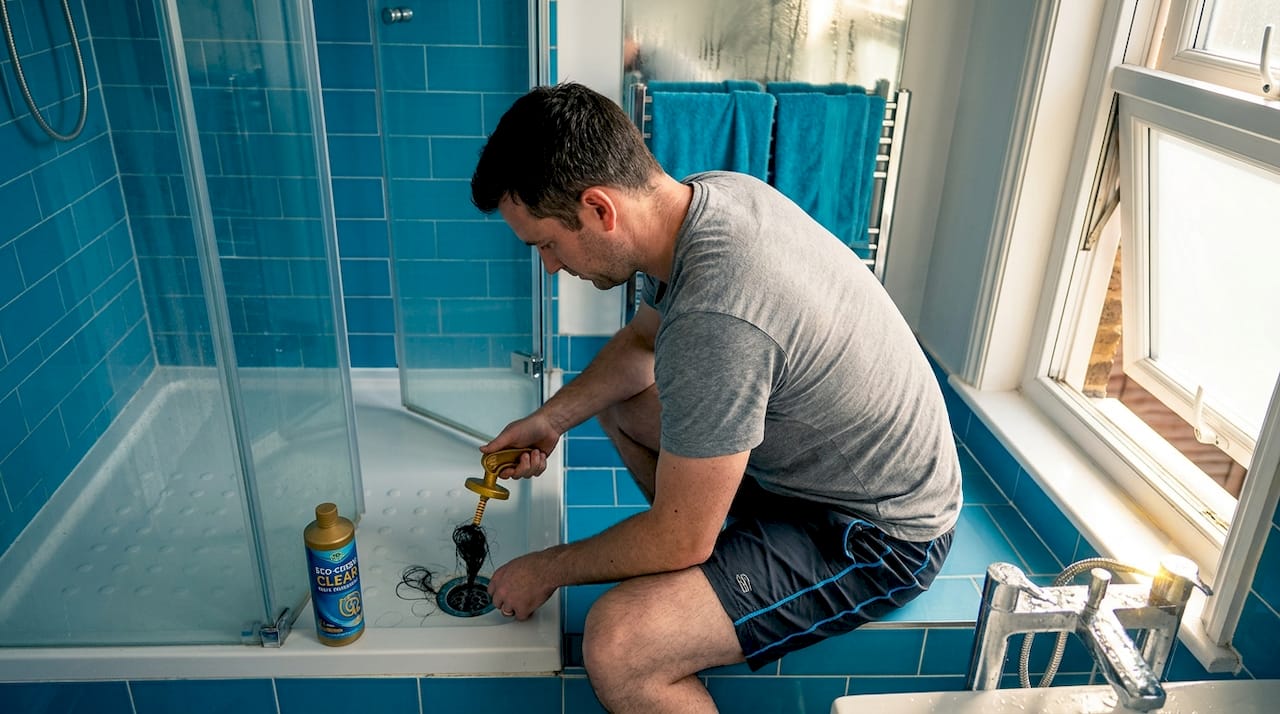
- Manual cleaning: Remove the plug hole cover or waste trap under the sink and clear debris by hand with rubber gloves. This is often the quickest solution for hair or food-related blockages.
- Drain snake or flexible rod: A basic drain snake can be purchased from most hardware shops for under £15 and reaches clogs that plunging cannot shift.
For a full step-by-step drain unblocking process, following a structured approach helps you avoid making the situation worse.
When not to use chemical cleaners: Chemical drain unblockers seem convenient, but their overuse causes corrosion in older pipework, particularly cast iron or older PVC pipes common in southern UK homes built before the 1980s. They also neutralise rather than remove blockages, meaning they frequently return. Reserve them for occasional, one-off use only. Better maintenance tips for blockages focus on mechanical removal rather than chemical treatment.
Stat to note: According to drainage industry data, roughly 70% of minor household blockages can be resolved using basic mechanical methods such as plunging, roding, and manual cleaning before a specialist is needed.
Pro Tip: If you’re dealing with recurring slow drainage in the shower, the culprit is almost always a hair clog forming just below the plug hole cover. Remove and clean the cover weekly during periods of heavy use. A simple mesh guard costs less than £5 and prevents the problem entirely.
For clearing blocked drains safely and effectively, always work in a well-ventilated space, particularly when using any chemical products, and protect your eyes and hands throughout.
When to call in a drainage specialist
DIY methods have real limits. Knowing exactly when to stop and call a professional is just as important as knowing how to try a fix yourself. Attempting to resolve structural issues without the right tools can damage pipework further and significantly increase repair costs.
Call a drainage specialist immediately if you notice any of the following:
- Blockages that return within days of clearing, despite repeated attempts
- Multiple fixtures backing up at once, which suggests a main sewer line problem rather than a localised block
- Sewage flooding or overflow into your home or garden
- Persistent foul odours that don’t clear after thorough cleaning
- Visible signs of pipe damage: cracked render, sunken ground, or water staining in unusual locations
- Evidence of tree root ingress, particularly in older properties with mature gardens
| Fix type | Typical cost range | Typical resolution time | Suitable for |
|---|---|---|---|
| DIY (plunging, roding) | £0 to £20 | 30 minutes to 2 hours | Minor, single-fixture blockages |
| Professional jetting | £80 to £200 | 1 to 2 hours | Stubborn blockages, recurring issues |
| CCTV survey | £100 to £300 | 1 to 3 hours | Unknown cause, repeated problems |
| Pipe relining | £500 to £2,500+ | Half to full day | Structural damage, root ingress |
| Full excavation repair | £1,500 to £6,000+ | 1 to 5 days | Collapsed or severely damaged pipes |
A drainage maintenance checklist helps you monitor conditions before they escalate to this level.
“Preventative annual maintenance reduces emergency callouts by addressing build-up and roots early, saving homeowners significant money over the long term.”
If you’re unsure whether your issue requires professional attention, a CCTV drain survey is often the most reliable way to get a clear answer without guesswork or unnecessary excavation. Cameras reveal exactly where a blockage or fault sits, at what depth, and what’s causing it, removing all ambiguity from the diagnosis. This saves money by targeting repairs precisely rather than digging blindly.
For those willing to attempt minor repairs themselves, a detailed DIY drain repair guide covers what’s realistically achievable without professional tools.
Preventing future drain problems
The most effective drainage strategy is one that stops problems forming in the first place. Good habits and regular maintenance are far cheaper than any repair, and they protect your property’s value at the same time.
Practical changes that make a real difference:
- Fit drain guards on all plug holes in kitchens, bathrooms, and showers. These catch hair, food particles, and debris before they enter the pipework.
- Never pour fat or oil down the sink. Instead, collect it in a container and dispose of it in your general waste bin. Fat solidifies in pipes and creates fatbergs, even in small quantities.
- Only flush the three Ps: pee, paper, and (the other one). Wet wipes, cotton wool, sanitary products, and nappy liners all cause blockages, regardless of what the packaging claims.
- Flush drains monthly with boiling water or a bicarbonate of soda and vinegar treatment to prevent gradual build-up.
- Check outdoor drains after storms and clear leaf or debris accumulations promptly.
- Schedule an annual professional inspection, especially for properties over twenty years old or those with large trees nearby.
Following a solid drain maintenance guide gives you a structured routine that covers all the bases throughout the year. The connection between drainage maintenance and preventing property floods is direct: well-maintained drains simply don’t fail during heavy rainfall the way neglected ones do.
Good habits formed now will save you hundreds, sometimes thousands, of pounds over the lifetime of your property. It’s far easier to spend ten minutes clearing a drain guard than it is to arrange emergency repairs on a Saturday evening.
Preventative annual maintenance reduces emergency callouts significantly, and the financial argument alone makes it worthwhile for any landlord managing multiple properties.
Why quick fixes fail: the truth behind lasting drain solutions
Here’s something that doesn’t get said enough: most drain problems in UK homes are solved at least twice before they’re ever truly fixed. Homeowners reach for the bottle of chemical cleaner under the sink, the drain flows freely for a week or two, and then the cycle begins again. We understand why it happens; it’s quick, it’s cheap, and it feels like it works.
But chemical cleaners corrode pipes over time. In properties with older pipework across southern England, this means that repeated chemical treatment can turn a £100 jetting job into a £2,000 pipe relining project within a few years. The real cost of the “cheap” fix is often enormous.
Our view, based on years of attending drainage emergencies across the region, is this: the investment in professional diagnosis and minor routine maintenance pays for itself within a single avoided emergency. A CCTV survey at £150 to £200 that reveals a root intrusion early means relining, not excavation. That’s the difference between a disruption measured in hours and one measured in days, and between a bill in the hundreds versus one in the thousands.
The other misconception worth addressing is that drainage maintenance is only necessary when something goes wrong. In reality, the drain maintenance guide approach, treating your drainage system like any other part of your home that requires periodic care, consistently produces better outcomes. Properties with proactive owners simply don’t generate the kind of emergency calls that reactive ones do.
Lasting drainage health isn’t glamorous. It’s monthly drain guard cleans, annual professional checks, and resisting the urge to flush things that shouldn’t be flushed. That’s it. Simple habits, maintained consistently, beat every quick fix available.
Reliable drainage solutions for your home
If this guide has helped you diagnose an issue or decide it’s time to get professional support, the next step is straightforward.

Whether you need a guided drain unblocking walkthrough to try a fix yourself, a clearer picture of the full drain unblocking process before booking, or you’re ready to look into professional drain repair services for something more serious, Local Services Drainage covers it all. Operating across southern England with fast response times and clear, upfront pricing, the team is equipped to handle everything from straightforward blockages to complex structural repairs. Get in touch today for a no-obligation quote and get your drainage sorted properly, once and for all.
Frequently asked questions
What are the first signs of a blocked drain?
Slow drainage, gurgling sounds, unpleasant odours, and rising water levels are the most common early indicators that a blockage is forming. Catching these signs early means the fix is usually straightforward and inexpensive.
Should I use chemical drain cleaners for blockages?
Chemical cleaners offer a quick result, but frequent use corrodes pipes and often leads to repeat blockages rather than a lasting solution. Mechanical methods such as plunging or roding are safer and more effective for most situations.
How often should I schedule drain maintenance?
Annual professional maintenance is the recommended minimum for most UK homes, with more frequent checks advisable for older properties or those with large trees close to drainage runs.
When do I need a CCTV drain survey?
If DIY methods have failed or the same blockage keeps returning, a CCTV survey pinpoints hidden damage or structural faults that cannot be diagnosed from the surface, saving you time and unnecessary excavation costs.
Can I prevent roots from blocking my drains?
Regular inspections and early intervention are the most reliable way to manage root ingress; once roots are identified early, relining rather than full pipe replacement is usually possible. Annual maintenance catches root growth before it becomes a structural problem.