TL;DR:
- Early signs of blocked drains include slow drainage, gurgling sounds, and unpleasant odours.
- Causes range from grease build-up and hair to tree roots and old pipework structural issues.
- Acting promptly with inspections and professional help saves money and prevents major repairs.
A blocked drain rarely announces itself with fanfare. More often, it starts with a slow-draining sink you keep meaning to sort, or a faint whiff from the bathroom plughole you blame on last night’s cooking. Left unchecked, these modest irritations can spiral into genuine household crises. Unblocking costs range £100 to £400 depending on severity, and that figure climbs sharply when emergency call-outs, structural repairs, or sewage clean-ups enter the picture. This guide is written for homeowners and landlords across southern UK who want to spot the warning signs early, understand what is actually causing them, and act before a minor nuisance turns into a major bill.
Table of Contents
- Recognise the most common signs of blocked drains
- Understand what causes these warning signs
- Compare blocked drain signs with other plumbing problems
- What to do when you notice signs of a blocked drain
- Why homeowners often miss early signs and how to act smarter
- Get expert help for blocked drains in southern UK
- Frequently asked questions
Key Takeaways
| Point | Details |
|---|---|
| Spot early warning signs | Be alert to slow drainage, smells, and odd sounds as first indicators. |
| Know the common causes | Most blockages start with built-up waste, outdoor debris, or old pipes. |
| Act quickly to save costs | Ignoring the signs can escalate repair bills from £100 to £350 or more. |
| Compare symptoms wisely | Distinguishing drain blockages from other plumbing issues prevents wasted time and money. |
| Get expert support if unsure | Professional assessment resolves persistent or severe cases and protects your property. |
Recognise the most common signs of blocked drains
Knowing what to look and listen for is genuinely half the battle. Blocked drains do not appear overnight in most cases. They build slowly, and the symptoms they produce follow a recognisable pattern. If you can match what you are experiencing at home to the list below, you are already ahead of most people.
The key warning signs to watch for:
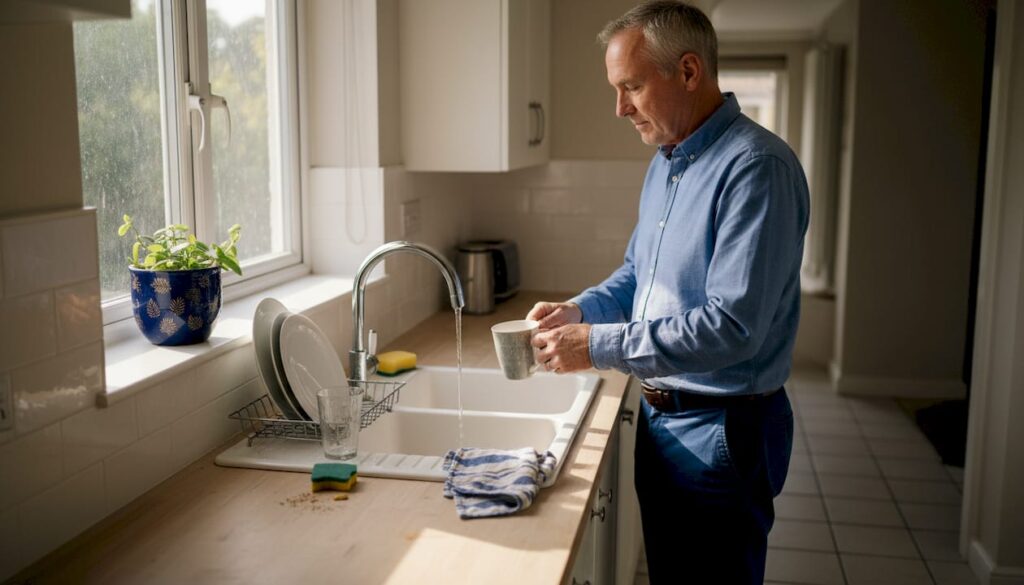
- Slow draining sinks, basins, or baths. Water pools and takes far longer than usual to drain away. This is often the very first symptom, easy to dismiss but important not to.
- Gurgling noises from plugholes and pipes. That bubbling, groaning sound happens when air is being trapped and forced through a partial blockage. It is your drainage system telling you something is wrong.
- Unpleasant smells from drains or outside inspection covers. Rotting organic matter, grease, and stagnant water all produce distinctive odours. If your kitchen or bathroom smells musty or sewage-like without an obvious cause, check the drains.
- Rising or fluctuating water levels in the toilet bowl. The water in your toilet pan should stay at a consistent level. If it rises after flushing, drops unusually low, or takes longer than normal to settle, pay attention.
- Backups: water or waste returning through plugholes. This is the most alarming sign and means the blockage is already well established. Backups into multiple fixtures signal blockages in main shared drain lines, not just a local plughole issue.
- Water pooling around outside inspection covers or gullies. Step into your garden after rain and check whether water is sitting around drain covers longer than expected.
Pro Tip: If slow drainage or gurgling is happening in more than one room at the same time, the blockage is almost certainly further down the system, in a shared or main drain rather than a single fixture. This situation calls for professional attention rather than a plunger.
One particularly useful habit is to lift your outside drain cover once every couple of months and take a quick look. A healthy drain should have moving water or be dry, not sitting with stagnant water or visible debris at the surface. Our drainage inspection guide walks you through exactly what to look for during a basic home check, including what healthy versus blocked drains look like at the inspection point.

The smell test is underrated. Many homeowners notice foul odours and assume it is something else entirely. In reality, a sulphurous or sewage-like smell near a plughole almost always points to rotting material caught in the pipe. Do not wait for the drain to back up before you act on it.
Understand what causes these warning signs
Having listed the main signs, it is vital to understand why these problems develop in the first place. Every symptom has a root cause, and knowing the source helps you address the problem more effectively rather than simply treating the surface effect.
Common causes of blocked drains at a glance:
- Grease and food build-up in kitchen drains. Cooking fat poured down the sink solidifies as it cools and coats the pipe walls. Over time, this narrows the internal diameter of the pipe considerably. Food particles then stick to the grease layer, and the blockage grows with every wash-up.
- Hair, soap, and wet wipes in bathroom drains. Hair wraps itself around the drain filter and collects soap residue. Wet wipes are a notorious culprit even when labelled “flushable.” They do not break down the way toilet paper does and are one of the leading causes of sewer blockages across the UK.
- Leaves, mud, and debris in outside drains. Autumn is particularly hard on exterior drainage. Leaves break down slowly and form a dense mat that restricts flow. Garden debris blown or washed into gullies causes the same effect.
- Tree root ingress. Tree roots are naturally drawn towards moisture and nutrients. They work their way into small cracks or joints in older clay pipes and then expand, causing partial or complete blockage and physical pipe damage.
- Structural issues and old pipework. Properties built before the 1970s often have clay or pitch fibre pipes, which are prone to cracking, collapsing, and misalignment. A displaced joint creates a step inside the pipe where debris catches and accumulates.
“Even a small crack or joint displacement in older pipework can create enough of a ledge inside the pipe to catch debris, gradually building into a complete blockage over weeks or months.”
As our drainage survey insights show, a high proportion of drainage faults in southern UK properties trace back to structural issues that are entirely invisible from the surface. Homeowners and landlords are often surprised to discover that what they assumed was a simple blockage is actually a cracked or partially collapsed section of pipe that needs repair, not just clearing.
Understanding the cause also protects you from wasted effort. If tree roots are causing a blockage, no amount of chemical drain cleaner will solve it. Similarly, if the pipework has collapsed, high-pressure jetting might temporarily clear a passage but will not address the underlying fault. Connecting the symptom to the cause is what leads you to the right solution.
Compare blocked drain signs with other plumbing problems
Some symptoms overlap with other plumbing issues, so let us clarify how to tell the difference. Misdiagnosing the problem can result in calling the wrong tradesperson, spending money on the wrong fix, or missing something genuinely serious.
The table below compares blocked drain symptoms with other common household water problems:
| Symptom | Likely cause: blocked drain | Likely cause: other issue |
|---|---|---|
| Slow draining in one fixture only | Localised blockage near that fixture | Partially closed valve or debris in the U-bend |
| Slow draining in multiple fixtures | Main drain or shared sewer blockage | Less likely; check all fixtures for confirmation |
| Gurgling from pipework | Air trapped by a blockage | Airlock in hot water system (distinct sound, usually near boiler) |
| Foul smell near plug or soil pipe | Organic matter trapped in drain | Dry trap (U-bend has lost its water seal, common in guest bathrooms) |
| Toilet water level rising | Blockage in main drain line | Faulty fill valve (water level rises slowly and continuously) |
| Water pooling under a sink | Drain blockage causing overflow | Leaking pipe joint or waste fitting |
| Damp patches on walls or ceilings | Less common from blockages | Burst pipe, leaking radiator, or roof issue |
Fluctuating toilet water levels or backups into other fixtures are strong indicators of a shared drain problem rather than an isolated fault. This is an important distinction because a shared drain blockage can affect your neighbour’s property as well as your own, and the responsibility for clearing it may fall on the water authority rather than you individually.
The clearest signal that you are dealing with a blocked drain rather than another plumbing fault is multiple fixtures showing symptoms simultaneously. A leaking pipe or airlock will typically affect a specific point in the system. A blockage restricts flow for everything that feeds into the same drain line.
When symptoms affect more than one room or fixture at once, using CCTV surveys is often the most efficient way to locate the problem precisely without unnecessary digging or guesswork. A camera inspection takes the uncertainty out of diagnosis and ensures the right solution is applied in the right place.
What to do when you notice signs of a blocked drain
Once you have identified the symptoms, knowing what to do and what not to do can make all the difference. Acting quickly and in the right sequence can be the difference between a £100 call-out and a £500-plus repair job.
Step-by-step action plan:
- Check the obvious local cause first. Remove and clean the plughole cover. Clear any visible hair or debris from the trap. Run hot water for a minute to see if flow improves. This quick step resolves many minor bathroom blockages without any further work needed.
- Check more than one fixture. If two or more drains are slow simultaneously, stop DIY attempts. You are dealing with a deeper issue and further flushing or chemical treatment could make it worse.
- Inspect the outside drain or inspection cover. Lift the cover carefully and look inside. If the chamber is full of water or waste, the blockage is in the main drain run or beyond. This is a professional job.
- Avoid chemical drain cleaners for serious blockages. These products work well on mild build-up but can damage older pipework and rarely clear a full or structural blockage. They also make conditions more hazardous for engineers who attend afterwards.
- Call a professional drainage company. Sewage backup, full drain chambers, or symptoms affecting multiple fixtures all require specialist equipment and expertise.
Typical costs for professional drainage work in 2026:
| Service | Typical cost range |
|---|---|
| Standard drain unblocking | £100 to £400 |
| High-pressure drain jetting | £150 to £250 |
| CCTV drain survey | £100 to £275 |
| Emergency call-out | Higher; varies by urgency and time |
| Structural repair after ignored blockage | £350 or more |
As the data above makes clear, ignoring early signs leads to repair bills that far exceed what a timely call-out would have cost. A £150 jetting appointment spotted early can prevent a £700 repair once a pipe cracks under chronic pressure.
Pro Tip: For landlords managing multiple properties, consider scheduling an annual CCTV drain survey as part of your routine maintenance programme. Catching issues early across a portfolio is far more cost-effective than reacting to emergencies one property at a time, and it gives you documented proof of the drainage condition before and after each tenancy.
Why homeowners often miss early signs and how to act smarter
In our experience working across southern UK properties, the single biggest factor in expensive drain repairs is not the blockage itself. It is the delay. Homeowners hear a gurgle, notice the sink draining slowly, or catch a faint smell and tell themselves it will sort itself out. Sometimes it does. More often, it does not.
The assumption that a minor issue will self-resolve is understandable but statistically risky. Grease does not melt away on its own. Tree roots do not retreat. A cracked pipe does not seal itself. These problems worsen gradually, and the longer they continue, the more established and complex they become.
There is also a false economy in waiting. Standard unblocking costs £100 to £400, but that figure escalates quickly once structural damage is involved. The £150 jetting job that would have cleared the problem in week two becomes a £800 repair in month six because the chronic pressure has cracked a section of old clay pipe.
The smarter approach is to treat early signs as genuine signals rather than background noise. A modest annual inspection, prompt attention to the first slow drain you notice, and a willingness to call a professional at the multi-fixture stage will save most homeowners significant money over the life of a property. The long-term benefits of drain jetting as a preventative measure, rather than a reactive one, are something we consistently see make a real difference to our clients’ maintenance costs over time.
Get expert help for blocked drains in southern UK
If anything in this article sounds familiar, acting now is almost always cheaper than acting later.

For homeowners and landlords across southern England, our team at Local Services Drainage provides fast, professional solutions from initial diagnosis through to full repair. Whether you need a straightforward clear or a detailed investigation, our step-by-step unblocking guide gives you a clear picture of what to expect before we arrive. You can also explore our full drain unblocking process for a detailed look at how we work, or head straight to our guide for southern UK homeowners for localised, practical next steps. Do not wait for a backup to make the call.
Frequently asked questions
What are the first signs a drain might be blocked?
Slow draining sinks, gurgling sounds from plugholes, and unpleasant smells are the earliest warning signs. Water levels fluctuating in the toilet or backups into other fixtures signal a more advanced blockage in the shared drain line.
Why does my toilet water level suddenly rise or drop?
This almost always points to a blockage in the main shared drain rather than a fault within the toilet itself. Backups into other fixtures appearing alongside the toilet water change confirm a main drain problem that needs professional attention.
How much does it cost to unblock a drain in the UK?
Standard unblocking costs range from £100 to £400, with jetting typically £150 to £250 and CCTV surveys between £100 and £275. Emergency call-outs and repairs caused by delayed treatment will cost considerably more.
Is a blocked drain a landlord’s responsibility in southern UK?
Landlords are generally responsible for maintaining the main drains and pipework serving their property. If a blockage is caused by tenant misuse, such as flushing wipes or disposing of grease down the sink, responsibility may shift to the tenant depending on the tenancy agreement.
How can I prevent future blockages?
Consistent habits make the biggest difference: use drain guards to catch hair and food, never pour fat down the sink, and avoid flushing anything other than toilet paper. A routine inspection every year or two catches structural issues early before they develop into costly emergencies.