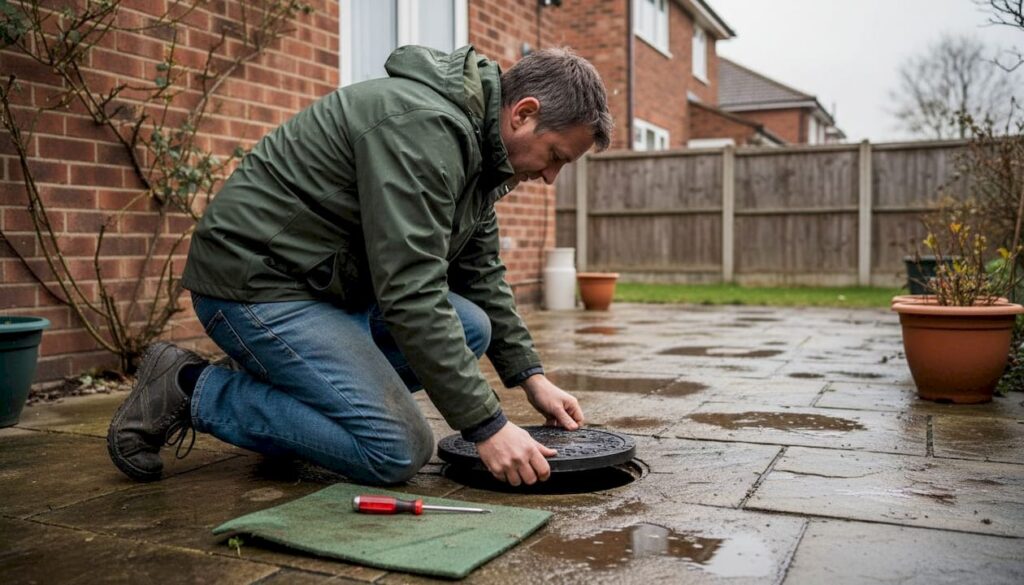
Blocked drains cause over £3 billion in property damage across the UK each year, yet most homeowners dismiss early warning signs as minor inconveniences. This costly mistake stems from a widespread misconception that occasional slow drainage or gurgling sounds can wait. In reality, these symptoms often signal underlying issues that worsen rapidly without intervention. Regular drain maintenance is not just about preventing blockages; it is about protecting your home from extensive water damage, structural deterioration, and expensive emergency repairs. This guide reveals why proactive upkeep is essential for southern UK properties and how simple maintenance routines can save you hundreds of pounds whilst safeguarding your drainage system for years to come.
Table of Contents
- Key takeaways
- The hidden costs and risks of neglecting drain maintenance
- How regular drain maintenance prevents damage and saves money
- Common causes of drain blockages and how to avoid them
- Practical steps to maintain your drains effectively at home
- How Local Services Drainage helps you protect your home
- Frequently asked questions
Key Takeaways
| Point | Details |
|---|---|
| Financial benefits of upkeep | Regular drain maintenance helps prevent costly emergencies, reflecting the article’s data that blocked drains cause over £3 billion of annual UK damage and that proactive care can save around £800 per incident. |
| Prevention reduces blockages | Routine maintenance can cut blockage recurrence by around fifty per cent, reducing disruption and expensive repairs. |
| Common blockage culprits | The main culprits are fat, oils and grease or FOG, along with wet wipes, which collect debris and narrow pipes. |
| Practical maintenance steps | A straightforward programme including monthly external inspections, quarterly waste trap clearing, weekly hot water flushes, installed drain guards and annual CCTV surveys helps protect drainage systems and property. |
The hidden costs and risks of neglecting drain maintenance
The financial burden of blocked drains extends far beyond the immediate repair bill. Blocked drains cause over £3 billion in annual property damage in the UK, with 68% of emergency callouts preventable through regular maintenance, saving an average £800 per incident. These staggering figures reveal how neglect transforms minor issues into catastrophic failures.
Fat, oils, and grease (FOG) represent the primary culprit behind drainage blockages in UK homes. When poured down sinks, these substances solidify within pipes, gradually narrowing the passage until water cannot flow. Wet wipes, marketed as flushable, compound the problem by catching on FOG deposits and creating dense clogs. Hair, soap scum, and foreign objects add further layers of obstruction. Understanding these causes of blocked drains empowers homeowners to modify behaviours before damage occurs.
The consequences of ignoring drain health extend across multiple dimensions:
- Water damage to walls, floors, and foundations from overflow and leaks
- Structural deterioration as persistent moisture weakens building materials
- Health hazards from mould growth and sewage backup exposing families to pathogens
- Inconvenience and disruption requiring temporary relocation during extensive repairs
- Reduced property value when drainage issues become apparent to potential buyers
Regular drain maintenance is not an optional luxury but a fundamental aspect of responsible property ownership that protects both your investment and your family’s wellbeing.
The financial impact varies by severity, but patterns emerge across thousands of incidents:
| Issue type | Average cost | Prevention potential |
|---|---|---|
| Minor blockage clearance | £150-£300 | 85% preventable |
| Major blockage with damage | £800-£1,500 | 68% preventable |
| Structural pipe repair | £2,000-£5,000 | 50% preventable |
| Emergency sewage backup | £3,000-£8,000 | 70% preventable |
These figures illustrate how modest investments in maintenance deliver substantial returns by avoiding escalation. A £100 annual inspection prevents potential thousands in emergency repairs, making the economic case overwhelmingly clear.
How regular drain maintenance prevents damage and saves money
Proactive drainage care operates on a simple principle: identifying and addressing small issues before they become expensive emergencies. Maintenance ROI prevents £3 billion in damages, with 70% of water leak costs stemming from poor management, whilst proactive measures cut blockage recurrence by 50%. This data transforms maintenance from a chore into a strategic investment.
Homeowners can implement several routine practices that significantly reduce blockage risk:
- Conduct monthly visual inspections of external drain covers and gullies for debris accumulation
- Clear waste traps beneath sinks and showers quarterly to remove hair and soap buildup
- Pour hot water down drains weekly to dissolve minor FOG deposits before they solidify
- Install drain guards in showers and sinks to catch hair and food particles
- Schedule annual professional CCTV surveys to identify hidden issues within underground pipes
These tips for drain maintenance form a comprehensive approach that addresses both visible and concealed drainage components. Consistency matters more than intensity; regular attention prevents the gradual accumulation that leads to blockages.
Pro Tip: Schedule professional inspections during spring when winter debris and increased rainfall may have stressed your drainage system. Early detection of root intrusion or pipe degradation allows for planned repairs rather than emergency responses.
The return on investment calculation reveals compelling economics. Annual maintenance costs typically range from £100 to £200 for professional inspection and minor preventative work. Compare this to the £800 average emergency callout cost, and the five-year savings become substantial. A homeowner spending £150 annually on maintenance saves approximately £4,000 over five years by avoiding just one major blockage incident. Factor in multiple potential blockages, and the savings multiply.
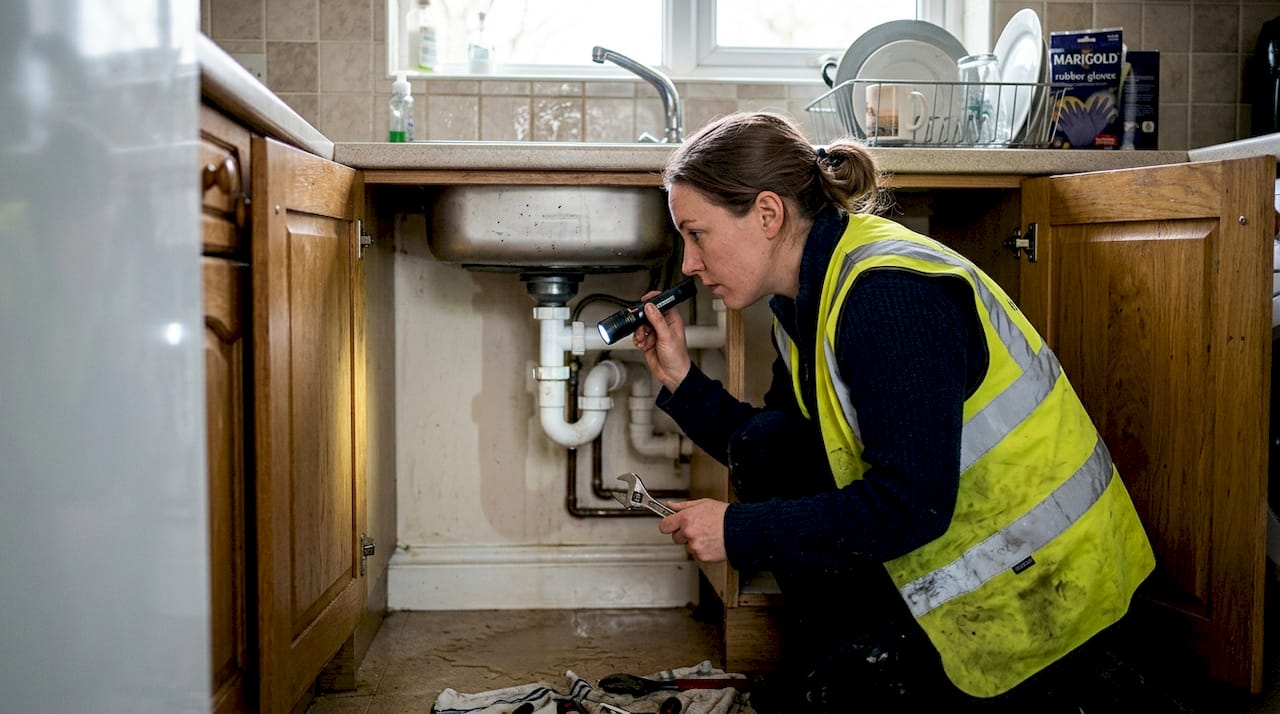
Beyond direct financial returns, maintenance delivers intangible benefits. Peace of mind knowing your drainage system functions reliably eliminates stress during heavy rainfall. Consistent upkeep extends pipe lifespan by decades, delaying the need for costly replacements. These drain maintenance steps create a virtuous cycle where small efforts compound into substantial long-term protection.
Common causes of drain blockages and how to avoid them
Understanding what causes blockages empowers homeowners to modify habits and prevent issues before they start. UK drainage systems face unique challenges from household behaviours that seem harmless but create serious problems over time.
Fat, oils, and grease (FOG) top the list of blockage culprits. When hot cooking oil cools inside pipes, it solidifies into waxy deposits that trap other debris. UK blockages from fat, oils, grease (FOG) and wipes cost millions yearly, with proactive upkeep significantly reducing recurrence. This preventable waste represents a substantial portion of emergency callouts.
Other common contributors include:
- Wet wipes marketed as flushable but which do not break down like toilet paper
- Hair accumulation in shower and bathroom sink drains creating dense mats
- Soap scum combining with minerals in hard water to form stubborn deposits
- Food particles washed down kitchen sinks despite bin disposal being more appropriate
- Foreign objects accidentally dropped or deliberately flushed down toilets
Each item creates blockages through different mechanisms, but all share the characteristic of being preventable through awareness and behaviour modification. Understanding these causes and prevention of blocked drains transforms daily habits into protective measures.
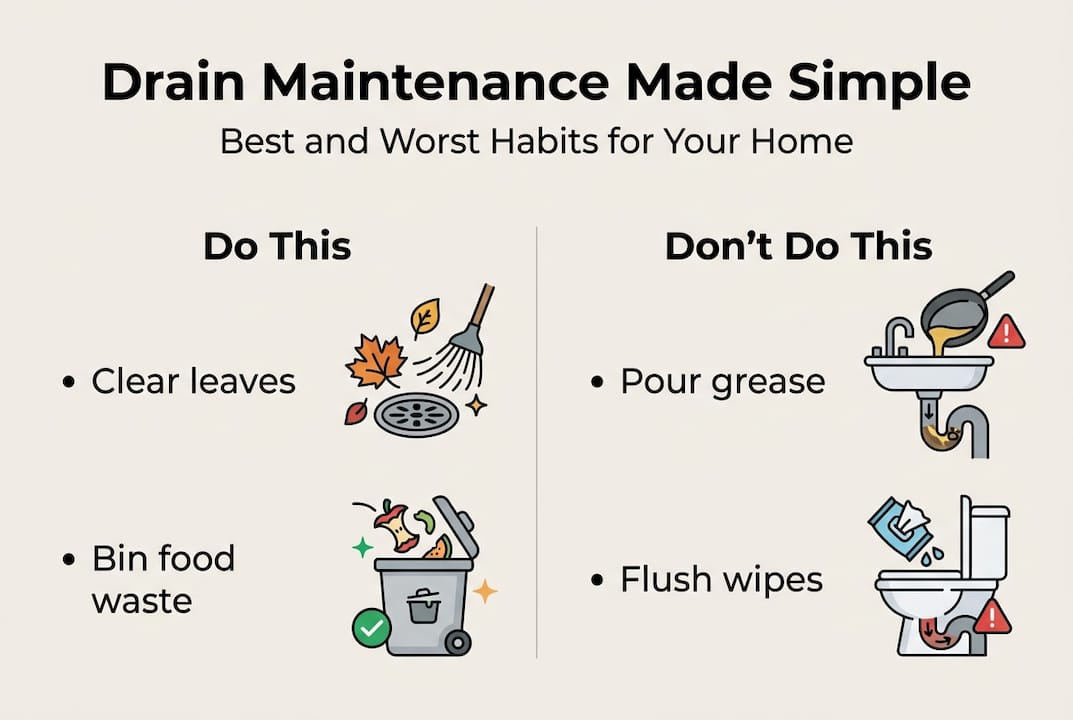
| Do | Don’t |
|---|---|
| Scrape plates into bin before washing | Pour cooking oil or grease down sink |
| Use drain guards to catch hair and food | Flush wet wipes or sanitary products |
| Dispose of coffee grounds in compost | Wash paint or chemicals down drains |
| Run hot water after each sink use | Ignore slow drainage warning signs |
| Pour FOG into containers for bin disposal | Use excessive soap or detergent |
This comparison table highlights the simple swaps that protect drainage health. Most adjustments require minimal effort but deliver substantial protection. Keeping a container beside the hob for used cooking oil eliminates the temptation to pour it down the sink. Installing inexpensive drain guards catches hair before it enters pipes.
Product choices also influence drainage health. Selecting toilet paper that breaks down quickly reduces accumulation risk. Choosing liquid soaps over bar soaps minimises scum formation. Reading product labels to verify genuine flushability prevents wipe-related blockages. These small decisions accumulate into comprehensive protection when practised consistently.
This drain maintenance guide provides additional strategies for behaviour modification that protects your drainage investment whilst requiring minimal lifestyle changes.
Practical steps to maintain your drains effectively at home
Implementing a structured maintenance routine removes guesswork and ensures consistent protection. These actionable steps suit homeowners of all experience levels and require minimal specialised equipment.
- Inspect external drain covers monthly, removing leaves, debris, and visible obstructions from gullies
- Clear waste traps beneath sinks quarterly by unscrewing the U-bend and removing accumulated material
- Pour a kettle of boiling water down each drain weekly to dissolve minor FOG deposits
- Check for slow drainage signs by running taps and observing water flow speed
- Test toilet flush efficiency monthly, noting any gurgling sounds or slow refill rates
- Schedule annual professional CCTV drain surveys to inspect underground pipe condition
- Document maintenance activities and observations in a simple log for pattern identification
Routine inspections and cleaning prevent 68% of emergency callouts and substantially extend drain lifespan. This statistic validates the effort invested in regular maintenance, demonstrating how small actions deliver outsized returns.
Pro Tip: Use eco-friendly enzyme drain cleaners monthly as a preventative measure rather than waiting for blockages. These biological solutions break down organic matter gradually without the pipe-damaging harshness of chemical cleaners, maintaining flow whilst protecting your drainage infrastructure.
Recognising early warning signs allows intervention before blockages become severe. Slow drainage indicates partial obstruction that will worsen without action. Gurgling sounds suggest air trapped by blockages further down the system. Unpleasant odours signal organic matter decomposing within pipes. Each symptom warrants immediate attention through either home remedies or professional assessment.
Knowing when to seek professional help protects homeowners from worsening problems through inadequate DIY attempts. Persistent slow drainage despite home cleaning efforts indicates deeper blockages requiring specialist equipment. Multiple drains blocking simultaneously suggests main sewer line issues beyond household pipes. Sewage backup represents an immediate health hazard requiring emergency professional response.
This drainage inspection guide details the specific signs that warrant professional intervention versus those manageable through home maintenance. Professional CCTV surveys reveal hidden issues like root intrusion, pipe cracks, or misaligned joints that home inspections cannot detect. Annual surveys provide baseline documentation that tracks drainage system health over time.
Maintaining a simple log transforms reactive responses into proactive management. Recording monthly inspection dates, observations, and actions taken creates a maintenance history that reveals patterns. Noting which drains slow first indicates where problems originate. Tracking seasonal variations helps predict when issues are likely to emerge. This drain maintenance checklist provides a template for systematic record keeping that enhances drainage protection.
How Local Services Drainage helps you protect your home
Whilst home maintenance forms the foundation of drainage health, professional support ensures comprehensive protection that DIY efforts cannot match. Local Services Drainage brings specialist expertise and advanced technology to southern UK homeowners seeking reliable drainage solutions.
Our services complement your maintenance routine through professional drain unblocking that addresses stubborn blockages beyond home remedies. CCTV drain surveys provide detailed internal pipe inspections revealing hidden issues before they cause failures. Repair services tackle structural problems with minimal disruption using modern no-dig techniques that preserve your property.
Southern UK properties face unique drainage challenges from soil composition, older infrastructure, and regional weather patterns. Our local expertise ensures solutions tailored to these specific conditions rather than generic approaches. Emergency response capabilities provide peace of mind that help is available when urgent issues arise despite preventative efforts.
Explore our comprehensive resources for deeper drainage knowledge. This drain unblocking guide UK homeowners explains professional techniques and when to seek assistance. Learn how CCTV drain surveys reveal hidden problems before they escalate. Discover drain repair best practices specific to southern UK properties that ensure lasting solutions.
Frequently asked questions
What is the best schedule for drain maintenance?
Professional inspection approximately every 12 months provides comprehensive assessment of your drainage system’s condition. Basic home checks should occur monthly to quarterly depending on property usage levels and household size. Adapt frequency based on property age, with older homes benefiting from more frequent attention, and historical blockage patterns that indicate vulnerability.
Can I perform drain maintenance myself or do I always need a professional?
Simple tasks like clearing debris from external drain covers, removing waste trap contents, and visual inspections suit capable homeowners with basic tools. Complex blockages, persistent drainage issues despite home efforts, or structural concerns require professional intervention for safety and efficacy. Professional equipment like high-pressure water jets and CCTV cameras access problems beyond DIY capabilities.
What common mistakes cause drain blockages?
Disposing of fats, oils, and grease down sinks instead of binning them creates the majority of preventable blockages. Flushing wet wipes and non-flushable items that manufacturers market misleadingly as suitable for toilets compounds problems. Neglecting routine maintenance and ignoring slow drainage warning signs allows minor issues to escalate into expensive emergencies requiring professional intervention.
How much can regular maintenance save me compared to emergency repairs?
Regular maintenance saves approximately £800 per blocked drain emergency through prevention of issues before they require callouts. Preventing blockages reduces disruptions to daily life and additional property damage costs from water overflow or sewage backup. Five-year savings typically exceed £4,000 when factoring in avoided emergency repairs, making maintenance a sound financial investment.