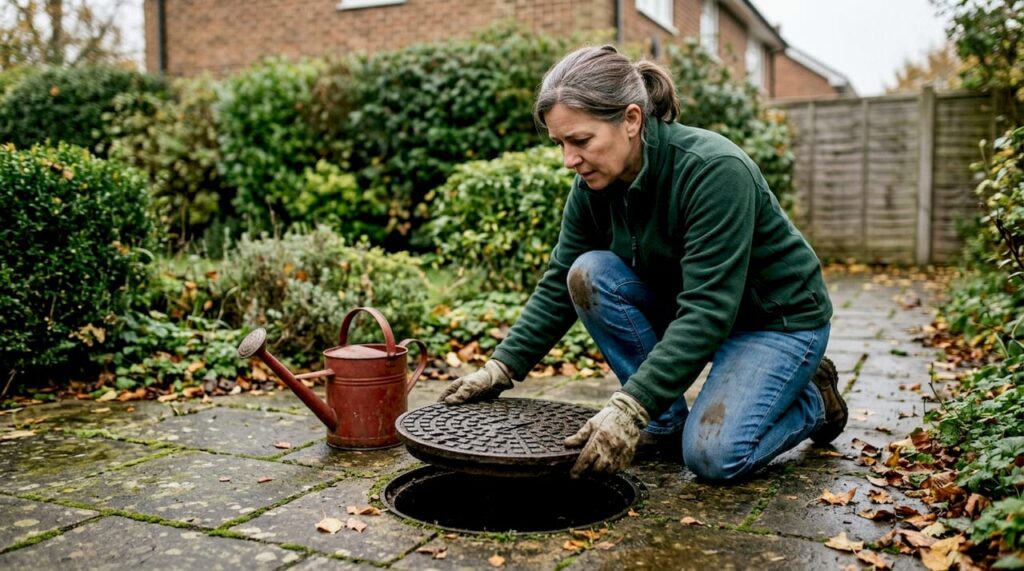
Many homeowners believe drain blockages only occur when heavy debris clogs pipes, but the reality is far more nuanced. Grease buildup, tree root intrusion, and even subtle soil movement contribute to drainage problems across southern UK properties. Understanding these varied causes empowers you to prevent expensive emergency repairs and maintain a healthy drainage system. This comprehensive guide explores the root causes of blockages, effective do-it-yourself solutions for minor issues, when to call professional help, and preventive maintenance strategies that protect your property investment long term.
Table of Contents
- Key takeaways
- Common causes of drain blockages in southern UK homes
- Effective do-it-yourself drain unblocking methods
- When and how to hire professional drain unblocking services
- Preventive maintenance to avoid future drain blockages
- Find trusted drain unblocking services in southern UK
- How do I know if my drain blockage requires professional help?
- What are the safest methods to unblock a drain yourself?
- How often should drains be professionally inspected and maintained?
Key Takeaways
| Point | Details |
|---|---|
| Common blockage causes | The main culprits are grease buildup, foreign objects, tree roots and soil movement, which require different prevention approaches. |
| DIY remedies for minor blockages | Simple techniques such as proper plunging and basic drain rods can clear minor obstructions without specialist help. |
| Know when to call professionals | If blockages persist or involve roots or severe pipe damage, seek professional assessment to prevent further harm. |
| Preventive maintenance matters | Regular maintenance, plant location planning and knowing pipe routes help reduce future blockages and protect your property value. |
Common causes of drain blockages in southern UK homes
Identifying why drains become blocked helps you address problems at their source rather than simply treating symptoms. Blocked drains often result from grease, foreign objects, tree roots, and soil movement, each requiring different prevention approaches.
Grease, oils, and fats represent the most frequent culprits in kitchen drainage systems. When you pour these substances down the sink, they remain liquid briefly before cooling and solidifying inside pipes. Over weeks and months, this accumulation narrows pipe diameter until water flow becomes restricted or stops entirely. Even small amounts contribute to buildup when combined with soap residue and food particles.
Foreign objects create immediate obstructions that worsen over time. Common items include:
- Sanitary products and wet wipes flushed down toilets despite packaging claims of flushability
- Hair accumulation in bathroom drains, particularly when combined with soap scum
- Food scraps washed down kitchen sinks without proper straining
- Small toys or household items accidentally dropped into drains
- Cotton buds and dental floss that tangle with other debris
Tree root intrusion poses a significant challenge for properties with mature gardens or street trees nearby. Roots naturally seek moisture sources, and even tiny cracks in drainage pipes release water vapour that attracts root growth. Once roots penetrate pipes, they expand rapidly, breaking ceramic or clay pipes and creating severe blockages. Southern UK properties often feature older drainage systems more vulnerable to this issue.
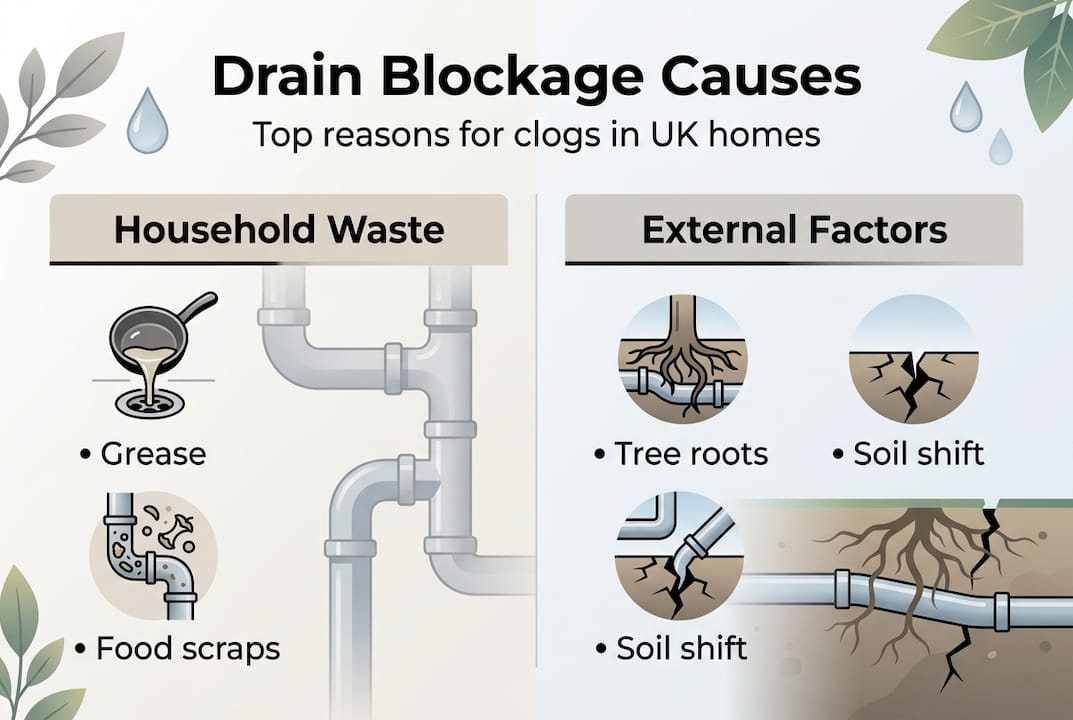
Soil movement affects underground drainage through several mechanisms. Clay-heavy soils common in southern regions expand when wet and contract during dry periods, shifting pipe alignment over years. This movement creates low spots where debris accumulates or causes pipe joints to separate. Ground subsidence from nearby construction or natural settling produces similar effects, particularly in properties built before modern foundation standards.
Pro Tip: Check your property deeds or contact your local water authority to locate drainage pipe routes. Knowing where pipes run helps you avoid planting trees with aggressive root systems directly above vulnerable sections.
Effective do-it-yourself drain unblocking methods
After identifying potential causes, you can tackle minor blockages yourself using safe, proven techniques that protect your drainage system.
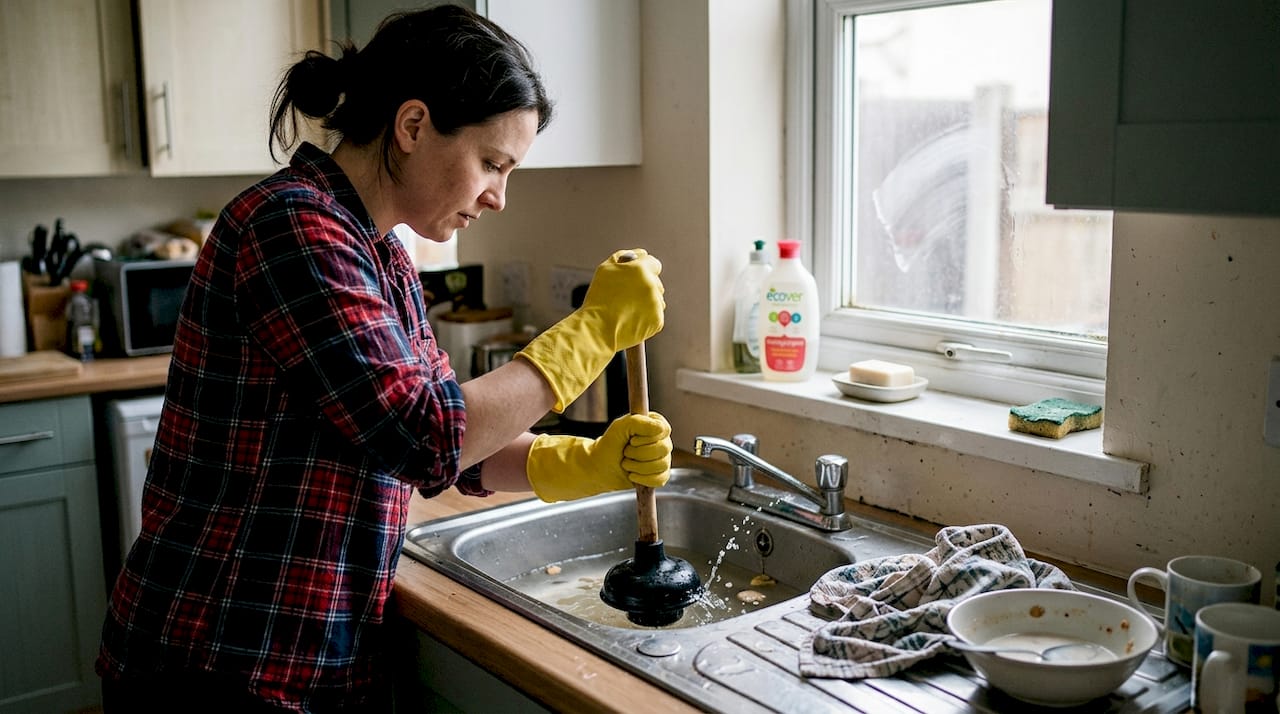
Proper plunger technique makes the difference between success and frustration. For sink blockages, fill the basin with enough water to cover the plunger cup completely, then position the plunger directly over the drain opening. Create a tight seal and push down firmly before pulling up sharply, repeating this motion fifteen to twenty times. The suction and pressure waves dislodge obstructions without damaging pipes. For toilet blockages, use a flange plunger designed specifically for the curved toilet trap, maintaining the seal throughout the plunging process.
Drain snakes and manual augers remove physical obstructions that plungers cannot shift. Follow these steps for effective use:
- Insert the snake end into the drain opening and push gently until you feel resistance from the blockage
- Rotate the handle clockwise whilst applying steady forward pressure to break through or hook the obstruction
- Pull back slowly to extract hair, debris, or other materials caught on the snake head
- Flush the drain with hot water to clear remaining particles
- Repeat the process if drainage remains slow after the first attempt
Simple plungers, drain snakes, and washing soda solutions can resolve common household drain blockages if used correctly. Washing soda offers a safe alternative to harsh chemical cleaners for grease-related blockages. Pour half a cup of washing soda crystals directly into the drain, followed immediately by a kettle of boiling water. The alkaline solution breaks down fatty deposits without corroding pipes or harming the environment. Allow thirty minutes for the solution to work before flushing with additional hot water.
Avoid commercial chemical drain cleaners that contain sodium hydroxide or sulphuric acid. These products generate intense heat that can melt plastic pipes, damage older ceramic systems, and create toxic fumes in enclosed spaces. The chemicals also harm aquatic ecosystems when they eventually reach waterways through your drainage system.
Pro Tip: Always wear rubber gloves and eye protection during DIY drain unblocking attempts. Even safe solutions like washing soda can irritate skin, and splashback from plunging can carry bacteria from wastewater.
When and how to hire professional drain unblocking services
Despite your best DIY efforts, some situations demand expert intervention to prevent property damage and resolve underlying issues.
Recognise these warning signs that indicate you need professional drain unblocking services:
- Blockages that recur within days or weeks despite repeated clearing attempts
- Foul odours emanating from drains even when water flows normally
- Multiple drains backing up simultaneously, suggesting main sewer line problems
- Gurgling sounds from toilets or sinks when using other fixtures
- Water pooling in your garden or damp patches appearing on external walls
- Visible sewage backing up into ground-floor fixtures
Professional services use high-pressure water jets, CCTV surveys, and mechanical rodding to clear and diagnose challenging blockages. High-pressure water jetting employs specialised nozzles that spray water at pressures exceeding 3,000 PSI, cutting through grease, scale, and root intrusions without damaging pipe interiors. The force scours pipe walls clean whilst flushing debris towards the main sewer connection.
Mechanical rodding tackles stubborn obstructions that resist water jetting. Professionals use flexible rods with various cutting heads designed for specific blockage types. Root cutters feature sharp blades that slice through invasive vegetation, whilst scraper heads remove hardened scale deposits. The technique requires skill to avoid pipe damage, particularly in older ceramic systems.
CCTV drain survey services provide diagnostic capabilities impossible with traditional methods. Waterproof cameras mounted on flexible cables travel through your drainage system, transmitting real-time video to technicians above ground. Surveys reveal exact blockage locations, pipe condition, structural defects, and root intrusion points. This information guides targeted repairs and helps you understand whether simple clearing suffices or whether pipe replacement becomes necessary.
| Service type | Best for | Typical cost range |
|---|---|---|
| High-pressure jetting | Grease, scale, minor roots | £80-£200 |
| Mechanical rodding | Stubborn physical blockages | £70-£150 |
| CCTV survey | Diagnosis, pre-purchase inspection | £100-£300 |
| Combined clearance and survey | Recurring problems, unknown causes | £150-£400 |
Choosing reliable service providers protects you from substandard work and excessive charges. Verify that contractors hold relevant certifications, maintain comprehensive insurance coverage, and offer clear pricing before starting work. Check online reviews from local customers and request references for similar jobs completed recently. Established companies with physical premises in your area provide better accountability than mobile-only operators.
Pro Tip: Ask potential contractors whether they provide video evidence from CCTV surveys and written reports detailing findings. Reputable professionals document their work thoroughly, giving you valuable information for future maintenance planning.
Preventive maintenance to avoid future drain blockages
Shifting from reactive repairs to proactive care dramatically reduces blockage frequency and extends your drainage system’s functional lifespan.
Avoid pouring fats, oils, and grease down kitchen sinks regardless of whether you run hot water simultaneously. The hot water merely delays solidification until the mixture reaches cooler pipe sections further downstream. Instead, collect cooking fats in a container, allow them to solidify, then dispose of them with general household waste. This simple habit eliminates the primary cause of kitchen drain blockages.
Install strainers in all sinks, showers, and bath drains to catch hair, food particles, and other debris before they enter your drainage system. Choose strainers with fine mesh that captures small particles whilst allowing water to flow freely. Empty and clean strainers weekly to prevent overflow around the edges. The minor inconvenience of regular cleaning pales compared to dealing with blocked drains.
Regular drain maintenance, including inspections and cleaning, prevents costly blockages and damage. Schedule professional inspections every one to two years depending on property age and usage patterns. Older properties with mature trees nearby benefit from annual checks, whilst newer homes with modern plastic drainage may only require biennial inspections. These scheduled visits identify developing problems before they cause emergencies.
Regularly flush drains with hot water to reduce gradual grease accumulation:
- Once weekly, bring a full kettle to boiling point
- Pour the entire contents slowly down kitchen sink drains
- Allow the hot water to work for several minutes before using the sink
- Repeat for bathroom sinks if you notice slower drainage
- Avoid this method with toilets, as thermal shock can crack ceramic bowls
Dispose of waste properly by never flushing items that packaging claims are suitable for toilets but actually cause blockages. So-called flushable wipes do not break down like toilet paper and frequently cause obstructions in both private drainage and public sewers. Sanitary products, cotton buds, dental floss, and similar items belong in bins rather than drains. Educate all household members about proper disposal practices to ensure consistent compliance.
Find trusted drain unblocking services in southern UK
Now that you understand what drain unblocking involves and why it matters, accessing expert help becomes straightforward when DIY methods prove insufficient. Professional services combine advanced diagnostic technology with proven clearing techniques that resolve even stubborn blockages safely and permanently.
Whether you face an urgent blockage requiring immediate attention or want to schedule preventive maintenance, professional drain unblocking services offer comprehensive solutions tailored to your property’s specific needs. Advanced CCTV drain survey services pinpoint problems accurately, eliminating guesswork and ensuring targeted repairs that address root causes rather than merely treating symptoms. Regular professional maintenance protects your investment and provides peace of mind that your drainage system functions reliably year-round.
How do I know if my drain blockage requires professional help?
When should I call a professional for drain problems?
Call professionals when blockages recur within days despite DIY clearing, when multiple drains back up simultaneously, or when you notice foul odours persisting after clearing attempts. Water backing up into ground-floor fixtures or gurgling sounds from toilets when using other drains also indicate serious problems requiring expert diagnosis. Emergency drain unblocking services respond quickly to prevent property damage from sewage backups.
What tools do professionals use that I cannot?
Professionals employ high-pressure water jetting equipment generating over 3,000 PSI, far exceeding domestic pressure washers. CCTV drain survey services use waterproof cameras that travel through pipes to identify exact blockage locations and structural defects. Specialised mechanical rodding equipment with interchangeable cutting heads tackles root intrusions and hardened deposits safely without damaging pipes.
Are professional services worth the cost for minor blockages?
Minor blockages that clear easily with plungers or drain snakes rarely justify professional costs initially. However, if the same blockage returns repeatedly, underlying issues require professional diagnosis to prevent escalating damage. Investing in a one-time CCTV survey often reveals problems like pipe misalignment or root intrusion that DIY methods cannot address, saving money long term.
What are the safest methods to unblock a drain yourself?
Which DIY drain clearing methods avoid pipe damage?
Safe DIY drain unblocking methods include proper plunger technique, manual drain snakes, and washing soda solutions that dissolve grease without harsh chemicals. These approaches clear common blockages without generating dangerous fumes or corroding pipe materials. Always wear gloves and eye protection, and avoid mixing different cleaning products that might create toxic reactions.
Why should I avoid chemical drain cleaners?
Chemical drain cleaners containing sodium hydroxide or sulphuric acid generate intense heat that melts plastic pipes and cracks older ceramic systems. The chemicals create toxic fumes in enclosed spaces and harm aquatic ecosystems when they reach waterways. Washing soda provides effective grease-cutting power without these dangers, making it the safer choice for regular maintenance.
How often can I safely use DIY unblocking methods?
Use plungers and drain snakes whenever blockages occur without risk of overuse. Washing soda treatments work well monthly as preventive maintenance for kitchen drains prone to grease buildup. If you find yourself unblocking the same drain weekly, stop DIY attempts and seek professional diagnosis, as frequent blockages indicate underlying problems requiring expert attention.
How often should drains be professionally inspected and maintained?
What is the recommended frequency for drain inspections?
Professional inspection and cleaning every one to two years suits most residential properties, with annual checks recommended for older homes or those with mature trees nearby. Properties experiencing previous blockage issues benefit from more frequent inspections until patterns stabilise. Commercial properties with heavy usage require quarterly or biannual maintenance depending on business type.
Do newer properties need professional maintenance?
Even modern plastic drainage systems benefit from periodic professional inspection, though less frequently than older ceramic or clay pipes. New properties should receive their first professional check after three to five years to establish baseline condition and identify any installation defects before warranty periods expire. This initial survey provides valuable documentation for future maintenance planning.
How does regular maintenance save money long term?
Scheduled maintenance identifies developing problems like minor root intrusion or pipe misalignment before they cause complete blockages requiring emergency callouts. Preventive cleaning removes gradual buildup that eventually restricts flow, extending the time between necessary interventions. The cost of annual or biennial inspections proves far lower than emergency repairs, property damage from sewage backups, or premature pipe replacement from neglected maintenance.