TL;DR:
- Early signs of drainage issues are subtle, such as slow draining, unpleasant odours, or gurgling noises.
- Timely detection and professional inspection prevent costly damage by addressing problems before they worsen.
Most homeowners assume drainage problems announce themselves loudly. A toilet overflows, a sink backs up completely, a garden floods. The reality is far less dramatic and far more dangerous. The earliest warning signs are quiet, easy to dismiss, and often mistaken for minor inconveniences. By the time things become unmistakable, the damage is already done and the repair bill has grown considerably. This guide gives you a clear, practical way to recognise what your drains are trying to tell you, before a small fix turns into a serious problem.
Table of Contents
- Why early detection of drainage problems matters
- Key signs of drainage problems every homeowner should know
- Spot the difference: minor nuisances vs serious drainage red flags
- How to confirm and assess drainage problems at home
- Prevention and timely maintenance for a healthy drainage system
- What most homeowners miss about drainage warning signs
- Need help with drainage problems? Get local expert support
- Frequently asked questions
Key Takeaways
| Point | Details |
|---|---|
| Watch for hidden signs | Early drainage issues often show up as subtle odours, slow drains, or damp patches. |
| Act before it escalates | Promptly addressing small problems prevents costly repairs and health hazards. |
| Regular checks matter | Simple home inspections and maintenance help avoid the majority of drainage emergencies. |
| Know when to call experts | Serious symptoms like sewage backups or persistent flooding require professional intervention. |
Why early detection of drainage problems matters
The difference between a £150 drain unblock and a £3,000 pipe replacement is often just a matter of timing. Homeowners across southern England regularly discover that what started as a slightly slow-emptying bath became a cracked pipe, a damp subfloor, or a mould problem in the wall cavity. These outcomes are rarely sudden. They build over weeks or months, quietly.
Identifying drainage issues early gives you options. You can call someone out for a straightforward clean, use a targeted treatment, or book a CCTV survey before anything structural is at risk. The moment you delay, that window of easy intervention starts to close.
“Untreated drainage issues often lead to costly structural damage and health hazards.”
Here is why early action matters so much for your property:
- A partial blockage left untreated puts sustained pressure on pipe joints and seals
- Standing water in drain channels attracts pests, including rats, which are drawn to the warmth and food debris
- Persistent damp from poor drainage is one of the leading causes of mould growth inside homes
- Flooding events caused by blocked drains can void some home insurance claims if neglect is proven
- Property valuations in southern UK can be negatively affected by unresolved drainage histories
The good news is that you do not need to be a plumber to spot trouble early. You simply need to know what to look for. Learning how to fix drainage issues starts with recognising them in the first place.
Key signs of drainage problems every homeowner should know
Blocked drains often start with slow emptying, unpleasant smells, and unusual sounds. These three clues alone account for the majority of early-stage drainage problems that homeowners overlook. Let us go through each sign in detail so you know exactly what to look for and what it likely means.
Slow drainage in sinks, baths, or toilets. This is the most common early warning. If water takes more than 30 to 60 seconds to drain from a bathroom basin, something is partially obstructing the pipe. It might be hair, soap scum, toothpaste build-up, or the beginning of a grease deposit further down the line.
Persistent or recurring unpleasant odours. A foul smell from a plughole is not just unpleasant. It usually means decomposing material is sitting in or near the drain. If the smell returns quickly after cleaning, the blockage is likely deeper in the pipe than household products can reach.
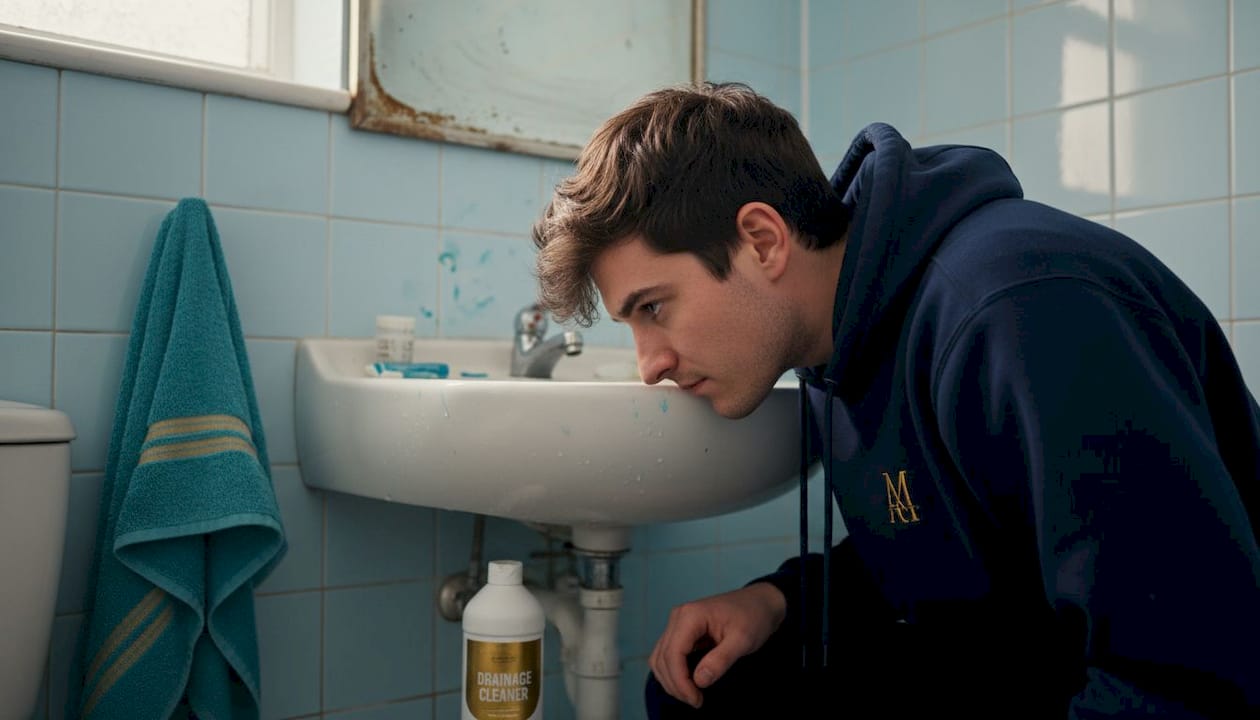
Gurgling or bubbling noises. When water drains and you hear a gurgling sound from a nearby plughole or toilet, it means air is being pushed through a partial blockage. The water cannot flow freely, so it displaces air in unexpected directions.
Raised water levels in the toilet pan. This one alarms most homeowners because it is so visible. When you flush and the water rises higher than usual before settling, it often indicates a blockage in the soil pipe below.
Damp patches, staining, or mould near drains and gulleys. If you notice discolouration on your garden paving, a persistently wet patch in the lawn, or damp appearing on an interior wall close to a soil pipe, this is a sign that water is escaping somewhere it should not be.
Pro Tip: Run water in one sink and listen for gurgling in a different plughole elsewhere in the house. If you hear it, the blockage is likely in a shared drain rather than a single pipe, which changes what approach is needed to clear it.
Here is a quick overview of the signs of blocked drains and what they typically indicate:
| Sign | What it suggests |
|---|---|
| Slow draining sink or bath | Partial blockage in the waste pipe |
| Gurgling sounds from plugholes | Air displacement caused by a blockage |
| Foul odour from drains | Decomposing matter sitting in the pipe |
| High water level in toilet | Blockage in the soil pipe |
| Damp patch near outdoor drain | Possible pipe leak or overflow |
If you are unsure whether what you are seeing qualifies as a real concern, use a resource like this guide on how to diagnose blocked drains to walk through the process methodically.
Spot the difference: minor nuisances vs serious drainage red flags
Not every slow drain is a crisis. Context matters enormously. A bath that drains slowly after a hair-wash is not the same as a toilet that backs up every time someone flushes. Knowing the difference helps you prioritise the right response.
“Serious drainage problems may involve sewage backups or repeated flooding.”
Here is a straightforward comparison to help you judge the severity of what you are dealing with:
| Minor nuisance | Serious red flag |
|---|---|
| Occasional slow drain that clears | Drain consistently slow or completely blocked |
| Mild smell after cooking or showering | Persistent sewage odour throughout the home |
| Small puddle after heavy rain | Repeated flooding in the same garden area |
| Single gurgling incident | Regular gurgling across multiple plugholes |
| One-off high toilet water level | Frequent backflow or sewage rising into the bath |
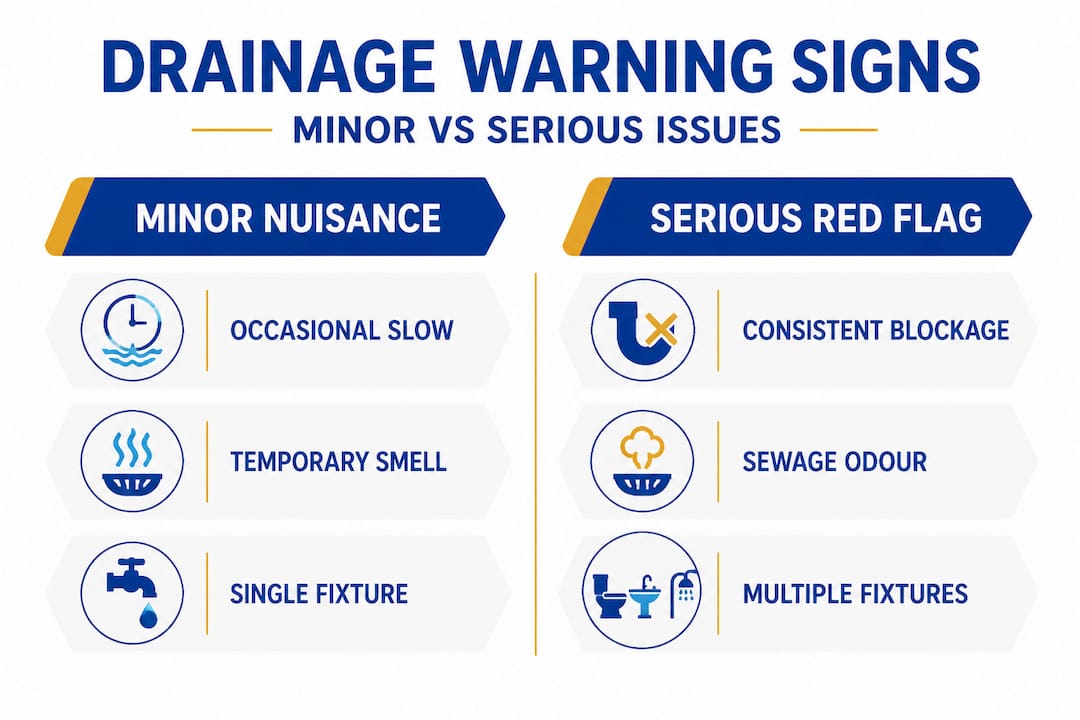
When you spot something in the right-hand column, the clock is ticking. Sewage backups carry serious health risks, including exposure to harmful bacteria. Repeated flooding in the same location usually means the pipe is structurally compromised or the blockage is too dense and too deep for standard remedies.
Reviewing your options for drainage solutions advice at this point is strongly recommended rather than attempting DIY fixes that could make the problem worse. A drain that has been repeatedly plunged without professional attention can sometimes see blockages pushed further into the system, making removal harder and more expensive.
The key takeaway from this comparison: minor signs warrant monitoring and simple action. Serious red flags warrant an immediate call to a drainage professional. Do not let fear of the cost delay you. Acting quickly at the red flag stage almost always costs less than acting after the damage is done.
How to confirm and assess drainage problems at home
Before you call a professional, there are some sensible checks you can carry out yourself. These are not complicated and do not require any special tools. They will help you understand whether you are dealing with a localised issue or something more widespread.
A drainage inspection checklist helps spot problems early and plan repairs before they become urgent. Here is a practical sequence to follow:
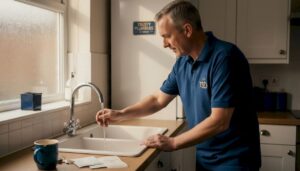
- Check every drain outlet in your home. Run water in each sink, bath, and shower tray and observe how quickly it empties. Note which ones are slow and whether the slowness is consistent or only happens occasionally.
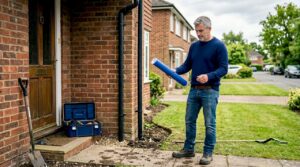
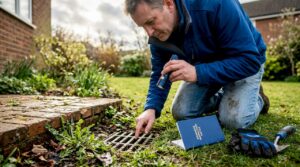
- Inspect outdoor gulleys and drain covers. Look for standing water, debris build-up, or cracks in the surrounding concrete. Lift the drain cover carefully and look for signs of blockage or unusually high water levels inside the channel.
- Flush each toilet and watch the water level. A normal flush sees the water briefly rise and then settle at the usual level within a few seconds. Any prolonged rise or gurgling from another fixture is worth noting.
- Look for damp, staining, or discolouration. Check the area around external drain gulleys, under kitchen and bathroom sinks, and along any exposed soil pipe runs. Pay particular attention to low walls or ground-floor corners.
- Note any smells and where they are strongest. The location of the smell can help pinpoint where the blockage or leak is sitting.
- Write everything down. Keep a simple log of what you noticed, when it started, and how it has changed. This information is genuinely useful when you speak to a professional.
Pro Tip: Pour a bucket of water rapidly into an outdoor gulley. If it backs up or drains very slowly, you likely have a blockage in the underground drain run, not just surface debris.
When your own checks suggest something is wrong but you cannot pinpoint the cause, a professional drainage inspection guide approach using CCTV camera technology is the gold standard. A camera is fed into the pipe and sends live footage back, allowing the engineer to see exactly where the problem is, what caused it, and how severe it is. This removes all guesswork and means any repair work is precisely targeted.
Prevention and timely maintenance for a healthy drainage system
Regular maintenance and prompt repair are key to avoiding major drain problems. Prevention is not complicated, but it does require consistent habits across every member of your household.
Here are the most effective preventative steps for southern UK homeowners:
- Never pour fats, oils, or grease down any drain. These cool and solidify inside the pipe, attracting food debris and building into large, solid blockages called fatbergs.
- Use drain guards in baths and showers. Hair is one of the fastest causes of partial blockages, and a simple mesh guard prevents most of it from entering the drain.
- Clear guttering and downpipes before autumn. Leaf debris from the season clogs gutter outlets and causes water to overflow toward foundations and drain channels.
- Check outdoor gulleys monthly, not just after heavy rain. Southern England does experience sudden and heavy downpours, particularly through winter and spring, and a pre-existing partial blockage can turn a manageable rain event into a flooded garden or basement.
- Book a professional drain inspection once a year. Think of it the same way you think about a boiler service. A qualified engineer can spot early wear, root intrusion, or silt build-up before any of them become visible to you.
- Keep records of previous issues and repairs. If you know a particular drain has caused problems before, mention it immediately when calling a professional. Recurring problems in the same location often suggest a structural issue rather than a simple blockage.
Pro Tip: The period immediately before winter is the ideal time to arrange a professional check. Cold temperatures cause ground movement, which can worsen existing pipe cracks and joint separations.
Following drainage best practices throughout the year dramatically reduces the likelihood of emergency call-outs and unexpected costs.
What most homeowners miss about drainage warning signs
After years of attending callouts across southern England, the pattern is remarkably consistent. Most homeowners do not ignore the big signs. They ignore the small ones, because the small ones are easy to rationalise. The bath drains slowly but it does clear eventually. There is a smell but it tends to go away. The garden is a bit wet after rain but it always has been.
These rationalisations are understandable. Nobody wants to believe there is an expensive problem lurking under their home. But here is the uncomfortable truth: by the time a drain problem forces you to act, the repair is almost always more invasive and more costly than it would have been six months earlier.
We have attended countless jobs where a CCTV survey reveals a root intrusion that has been growing for two or three years. The homeowner noticed the garden was a bit damp, maybe some slow flushing. They assumed it was normal. It was not. Understanding the causes and prevention of blocked drains makes it much easier to act on early clues rather than waiting for the obvious.
The signs are rarely dramatic at first. That is precisely why they matter. A tiny crack in a clay pipe allows root tendrils to enter the drain. Over time, those roots expand and eventually cause a complete blockage or pipe collapse. The crack was always there. The homeowner never had reason to look.
Our strongest advice: err on the side of caution. If something seems slightly off with your drains, investigate it. A quick inspection is far cheaper than your instincts being proven right six months too late.
Need help with drainage problems? Get local expert support
If any of the signs in this guide sound familiar, now is the right time to get a professional opinion rather than wait and see.
Our team covers towns and cities across southern England, with fast response times and the technology to diagnose issues accurately on the first visit. Whether you need guidance on how to unblock a drain step-by-step or want to understand the full drain unblocking process before booking, we have clear, practical resources to help you make an informed decision. Do not wait for the problem to force your hand. Get in touch today for a free, no-obligation quote and let us assess your drainage before a small issue becomes a costly one.
Frequently asked questions
What is the most common sign of a drainage problem in southern UK homes?
Unpleasant smells and slow draining are the most common early signs, often appearing together and indicating a partial blockage somewhere in the waste pipe.
When should I call a drainage professional instead of trying to fix it myself?
If water is backing up into multiple fixtures, you notice repeated flooding, or sewage odour is present, call a professional immediately, as serious drainage issues such as sewage backups require urgent expert intervention.
Can regular cleaning prevent most drainage problems?
Maintenance keeps drains clear and prevents most long-term problems, including recurring blockages and foul odours, when combined with good household habits like avoiding fat disposal down the sink.
Is mould growth around drains a warning sign?
Yes, absolutely. Damp and mould near drains can signal a hidden drainage problem such as a slow leak or a failing pipe joint that is allowing water to seep into the surrounding structure.