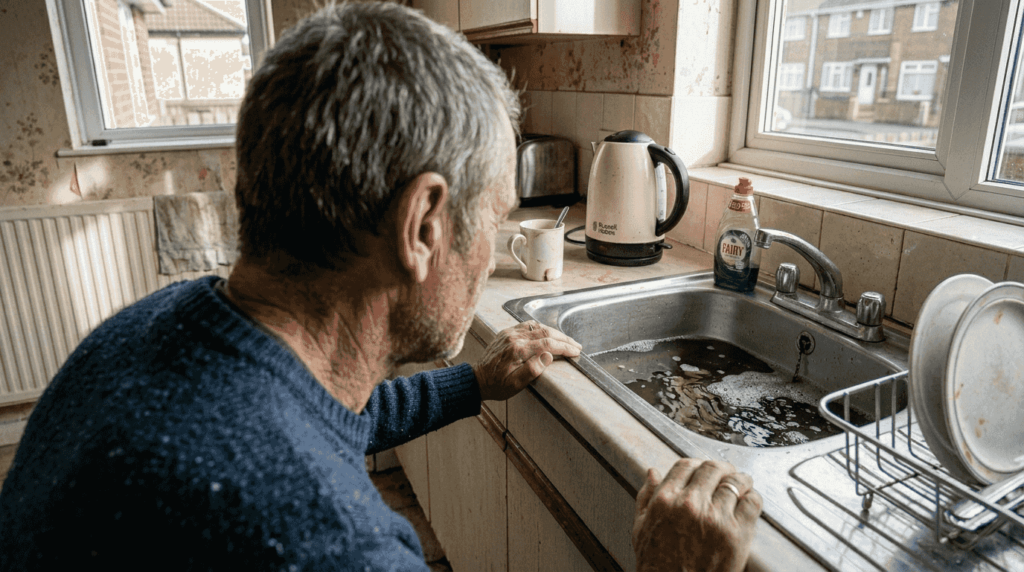
Spotting drainage problems early can save you thousands of pounds in emergency repairs. Most homeowners miss subtle warning signs until water backs up into sinks or foul odours invade their homes. Understanding the typical drainage issues affecting properties across the southern UK regions empowers you to take preventative action. This guide reveals practical criteria for identifying common drainage troubles, from slow draining basins to underground pipe failures, helping you protect your property before minor annoyances escalate into costly disasters.
Table of Contents
- How To Identify Common Drainage Issues In Your Property
- Seven Typical Drainage Issues Homeowners Face
- Comparing Drainage Issues: Causes, Impacts And Solutions
- How To Decide On The Right Drainage Intervention For Your Home
- Reliable Drainage Solutions For Southern UK Homeowners
- Frequently Asked Questions
Key takeaways
| Point | Details |
|---|---|
| Prevention saves money | Around 90% of blockages could be avoided through simple habits and regular maintenance |
| Early warning signs matter | Slow drainage, foul smells, and water pooling indicate developing problems requiring prompt attention |
| Multiple causes exist | Fats, oils, grease, tree roots, sanitary items, and misconnected pipes create different blockage types |
| Professional help prevents damage | Timely expert intervention stops minor issues becoming structural failures or flooding emergencies |
How to identify common drainage issues in your property
Recognising drainage problems early requires knowing which symptoms signal trouble. Your home’s plumbing system communicates distress through observable changes that most homeowners overlook until blockages become severe.
Watch for slow draining sinks, baths, or showers where water lingers instead of flowing freely. This gradual reduction in drainage speed often indicates partial blockages forming deep within your pipes. Foul odours emanating from drains suggest trapped waste decomposing inside the system, releasing unpleasant gases into your home. Surface water pooling near outdoor drains or unexpected wet patches in your garden point to underground leaks or blocked drainage channels preventing proper water dispersal.
Listen carefully for gurgling sounds from toilets or drains when water flows elsewhere in your property. These noises indicate air trapped by blockages trying to escape through the nearest outlet. Check regularly for soggy ground patches that remain damp even during dry weather, as these reveal property drainage issues like cracked underground pipes leaking wastewater into surrounding soil.
Pro Tip: Keep a simple drainage diary noting any unusual sounds, smells, or slow drainage episodes. Patterns emerging over weeks help professionals diagnose blocked drains more accurately during inspections.
Monitor multiple fixtures simultaneously. If several sinks or toilets drain slowly at once, the blockage likely sits in your main drainage line rather than individual pipe branches. External inspection of manhole covers can reveal standing water or debris accumulation signalling system-wide problems requiring immediate attention.
Seven typical drainage issues homeowners face
Understanding specific drainage problems helps you recognise which issue affects your property and determine appropriate solutions. Each blockage type presents distinct characteristics based on its underlying cause.
-
Fat, oil, and grease buildup: Pouring cooking fats down kitchen sinks creates solidified deposits coating pipe interiors. These sticky layers trap food particles and debris, gradually narrowing passages until water barely flows. The problem worsens in colder months when fats congeal faster.
-
Non-degrading sanitary products: Despite ‘flushable’ labelling, wet wipes, cotton buds, and sanitary towels resist breakdown in water. These items accumulate at pipe bends or junctions, creating stubborn obstructions that standard plungers cannot clear.
-
Tree root intrusion: Drainage blockages are increasing due to fats, oils, grease, sanitary items, root ingress, and misconnected pipework. Roots seek moisture and nutrients, penetrating tiny cracks in underground pipes. Once inside, they expand rapidly, creating dense tangles that trap waste and completely block flow.
-
Misconnected plumbing pipes: Incorrectly installed connections send wastewater into rainwater systems or vice versa. This cross-contamination overwhelms drainage capacity during storms and introduces pollutants where they don’t belong, causing backups and environmental concerns.
-
Mud and sediment accumulation: Heavy rainfall washes soil, leaves, and debris into outdoor drains. Without regular clearing, this sediment builds layers that restrict water flow, causing surface flooding during subsequent downpours.
-
Cracked or collapsed pipes: Age, ground movement, or heavy vehicle traffic above underground pipes causes structural failures. Cracks allow soil infiltration whilst collapsed sections create complete blockages requiring excavation and replacement.
-
Blocked outside drains: Gully traps and external drainage points collect garden debris, building materials, and windblown rubbish. When these grates clog, rainwater cannot enter the system, pooling around your property foundations and risking water damage.
Maintaining a drain maintenance checklist helps prevent most of these issues through regular inspection and cleaning routines.
Comparing drainage issues: causes, impacts and solutions
Different drainage problems require distinct approaches. This comparison clarifies which interventions suit specific blockage types, helping you prioritise actions and budget appropriately.
| Issue | Primary Cause | Key Symptoms | Recommended Solution |
|---|---|---|---|
| FOG buildup | Pouring fats down sinks | Slow kitchen drainage, greasy residue | Hot water flushing, enzyme treatments, professional jetting |
| Sanitary products | Flushing non-degradables | Toilet backups, complete blockages | Manual removal, drain rodding, prevention education |
| Tree roots | Root seeking moisture | Recurring blockages, gurgling sounds | Root cutting, pipe relining, tree management |
| Misconnected pipes | Poor installation | Cross-contamination, unexpected flooding | Professional survey, pipe reconnection, system redesign |
| Sediment accumulation | Storm debris | Surface water pooling | Regular grate cleaning, sediment traps, drainage improvement |
| Cracked pipes | Age or ground movement | Persistent leaks, soggy ground | CCTV survey, targeted repairs, pipe replacement |
Tree roots can enter pipes through tiny cracks, causing major obstructions that worsen annually as vegetation grows. Early detection through professional surveys prevents expensive emergency repairs.
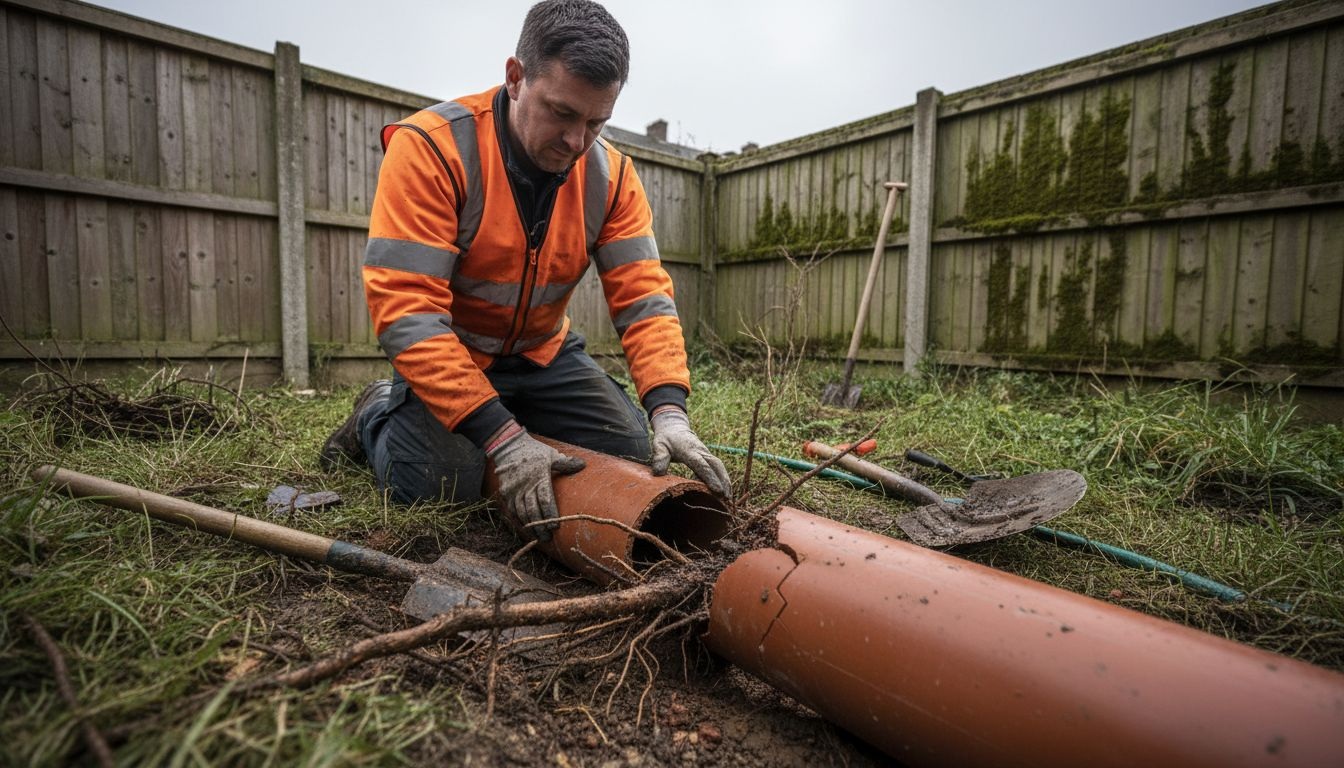
Pro Tip: Schedule annual CCTV drain surveys if mature trees grow near your property. Catching root intrusion early allows minimally invasive repairs before roots cause pipe collapse.
Professional maintenance prevents the majority of these problems. Combining essential drain maintenance with periodic expert inspections creates a defensive strategy protecting your drainage investment. High-pressure water jetting removes accumulated FOG and sediment whilst clearing root tendrils before they establish destructive holds. Understanding the role of drain jetting in preventative care helps you appreciate its value beyond emergency unblocking.
How to decide on the right drainage intervention for your home
Choosing appropriate drainage solutions depends on problem severity, your technical confidence, and long-term property plans. Not every blockage requires professional intervention, but knowing when to escalate saves money and prevents damage.
DIY maintenance handles routine prevention effectively. Regular cleaning of visible drain grates, monthly hot water flushing of kitchen sinks, and careful disposal of fats and sanitary products prevent most common blockages. Simple plungers clear minor obstructions in toilets and basins when caught early.
Professional unblocking becomes necessary when DIY attempts fail or blockages recur frequently. Stubborn obstructions deep within your drainage system require specialist equipment like powered drain snakes or high-pressure jetting units. Improper plumbing connections can lead to wastewater entering the wrong system, requiring expert diagnosis to identify and correct.
Drain repairs address structural damage efficiently. Cracked or deteriorating pipes need targeted fixes ranging from patch repairs to complete section replacement. Modern no-dig relining techniques insert new pipe liners through existing access points, avoiding garden excavation whilst extending drainage system lifespan by decades.
Installation of new drainage systems suits properties with persistent problems stemming from inadequate original design. Older homes often feature undersized pipes or poorly planned layouts that cannot handle modern water usage. Upgrading to properly specified drainage prevents recurring issues and adds property value.
Pro Tip: Request CCTV surveys before committing to expensive repairs. Visual inspection reveals actual pipe condition, preventing unnecessary work whilst identifying hidden problems requiring attention.
Consult professionals for proper diagnosis when symptoms persist despite maintenance efforts. Expert assessment using effective drain unblocking techniques identifies root causes rather than treating surface symptoms. Understanding the role of drain repairs in protecting property value helps justify investment in quality solutions. Following a comprehensive drain installation guide ensures new systems meet current regulations whilst serving your property’s needs for years ahead.
Reliable drainage solutions for southern UK homeowners
When drainage problems exceed DIY capabilities, professional expertise protects your property investment. Recognising common drainage issues represents the first step, but resolving them requires specialist knowledge and equipment.

Our expert unblocking services tackle stubborn blockages using advanced techniques including high-pressure jetting and electro-mechanical cleaning. We understand southern UK drainage challenges, from clay soil impacts to regional weather patterns affecting system performance. Professional drain repairs restore damaged pipes efficiently, whilst our comprehensive drain installation solutions deliver dependable drainage infrastructure designed for your property’s specific requirements. Local knowledge combined with cutting-edge technology means faster diagnosis, targeted solutions, and lasting results that protect your home from water damage and costly emergency repairs.
Frequently asked questions
What are the most common causes of drainage blockages?
Fats, oils, and grease top the list, solidifying inside pipes and trapping debris. Sanitary products labelled ‘flushable’ resist breakdown, creating stubborn obstructions at pipe bends. Tree roots invade through microscopic cracks, expanding into dense tangles that completely block flow. Misconnected pipes send wastewater into wrong systems, overwhelming capacity during storms.
How can I prevent drainage problems in my home?
Avoid pouring cooking fats, oils, or grease down kitchen sinks; collect them in containers for bin disposal instead. Dispose of sanitary products, wet wipes, and cotton buds in bathroom bins rather than flushing them. Regularly clean visible drain grates and outdoor gully traps, removing leaves and debris before they enter your system. Following an essential drain maintenance guide establishes routines preventing most common blockages.
When should I call a professional drainage service?
Contact experts when blockages persist despite plunger use or drain cleaning attempts. Foul odours that don’t clear with flushing indicate trapped waste requiring professional removal. Water pooling around outdoor drains or inside your property signals serious system failures needing immediate attention. CCTV surveys provide accurate diagnosis, revealing hidden damage before it causes flooding. Professional drain unblocking prevents minor issues escalating into expensive emergencies.
Can tree roots really damage my drainage pipes?
Absolutely. Tree roots can enter pipes through tiny cracks, causing major obstructions as they seek moisture and nutrients. Once inside, roots expand rapidly, creating dense masses that trap waste and completely block water flow. They require professional removal using specialist cutting equipment followed by pipe repair or relining. Early detection through CCTV surveys prevents roots causing complete pipe collapse, which necessitates expensive excavation and replacement work.